
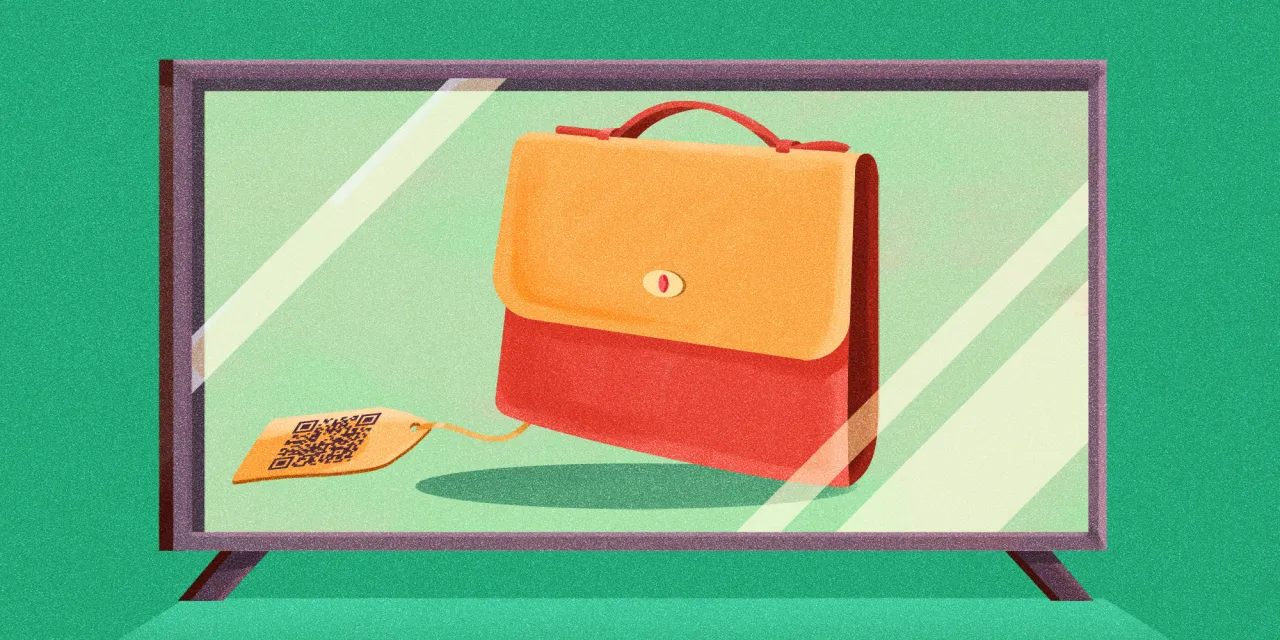
Quick take: Kroger and CVS are scaling in-store screen networks in 2026—moving from pilots to true, sellable retail media inventory inside the aisle. (Source: Modern Retail)
In-store screens are becoming a standard media line item
In 2026, retailers are treating in-store digital screens less like “store signage” and more like structured ad inventory—with consistent placement, standardized buying conversations, and bigger rollouts.
Modern Retail reports that Kroger and CVS are planning to install more screens across more stores to support advertising and brand content, signaling a step-change from limited experiments to scaled programs.
This matters because in-store is where awareness can turn into purchase—fast. Unlike classic OOH on highways or city streets, in-store screens operate at the moment of decision, with shoppers already in a buying mindset.
Why brands should care (especially OOH/DOOH buyers)
This shift expands the definition of DOOH. “Retail DOOH” is now part of the same conversation as:
- Street-level DOOH (reach + discovery)
- Near-store OOH (consideration + visitation)
- In-store screens (conversion proximity)
For planners, that means the media journey is becoming street → store → shelf, with screens at every step.
What to watch in 2026
- Inventory quality: where screens live (endcaps vs aisles vs checkout)
- Standardization: consistent specs, availability, packaging
- Measurement: lift studies, incrementality, and outcomes vs pure exposure reporting
Plan your OOH campaign
Get recommendations for markets, formats and availability based on your campaign goals.
Request a media plan
Comments
Share your take. Keep it constructive and specific.