
Jockey Club TourHeart+ Uses Transit Advertising on Hong Kong’s MTR to Support Mental Wellness
OOH Advertising Supports Mental Health Awareness in Everyday Transit Spaces
The Jockey Club TourHeart+ Project shows how OOH Advertising can be used for public good, not only for commercial visibility.
By bringing mental wellness messaging into the MTR network, the campaign places support resources in one of the most routine and high-frequency environments in Hong Kong: daily public transport.
This is a strong example of Out-of-Home Advertising being used to make an important social message feel present, normal and accessible.
Transit Advertising on the MTR Makes Support Visible on the Move
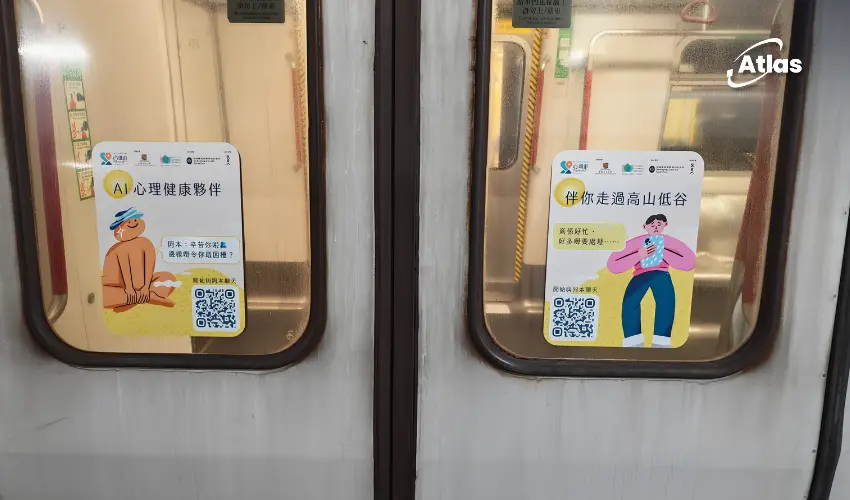
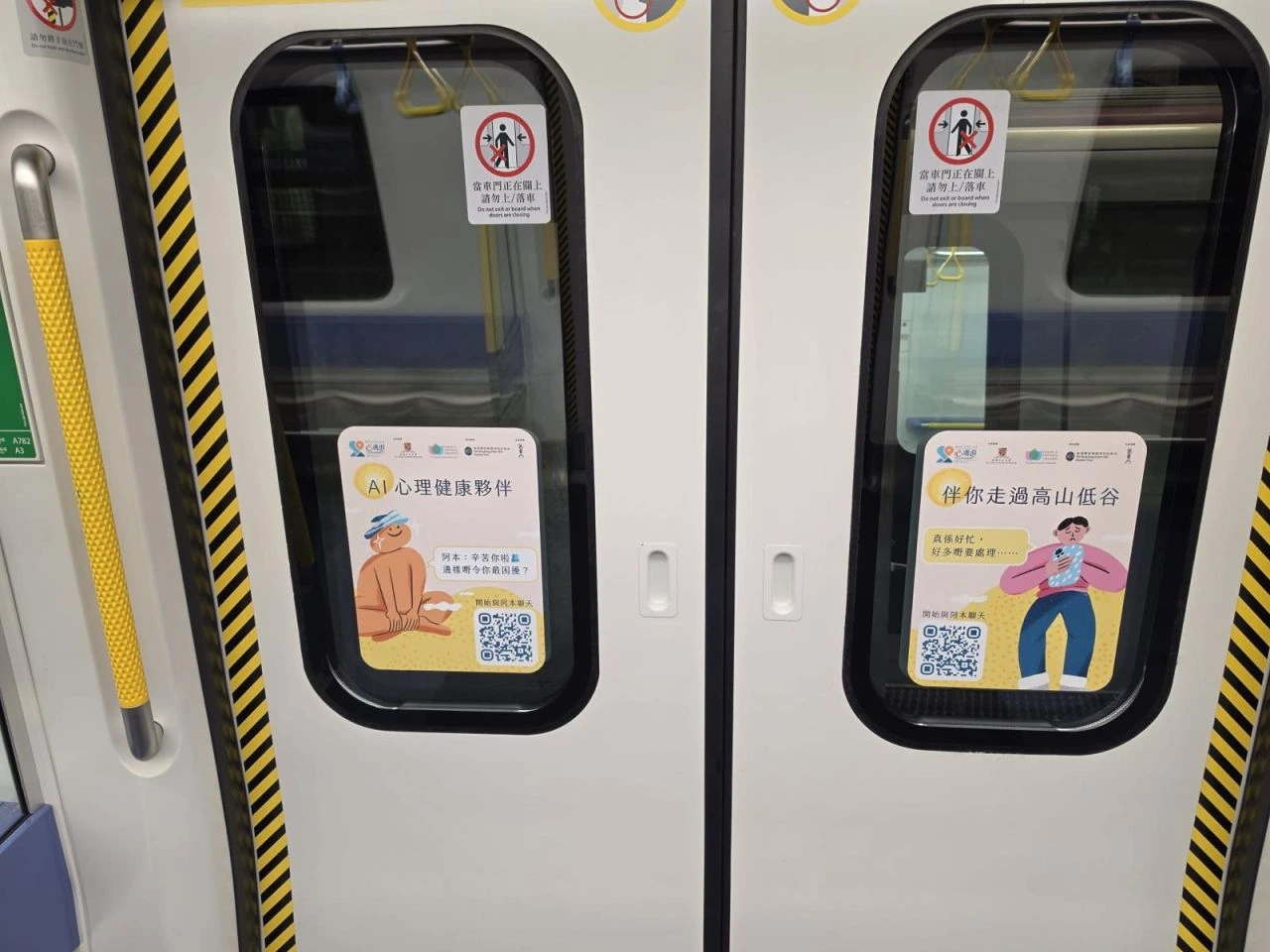
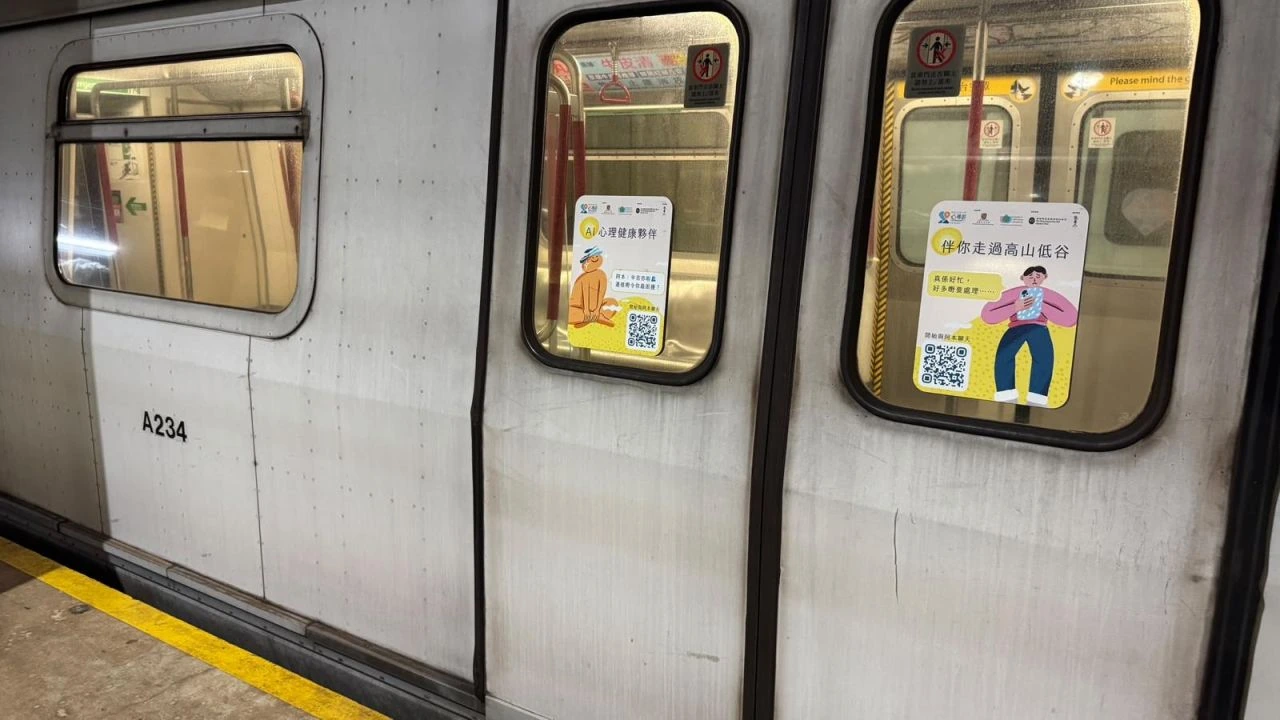
According to the supplied campaign information, the project strategically took over three half-trains using MTR Train Door Window Stickers.
That format turns train doors into repeated touchpoints, allowing passengers to encounter the message throughout their journey rather than in a single isolated moment.
As a piece of Transit Advertising, the work stands out because it reaches people while they are already moving through the city, which makes the idea of “supporting mental wellness on the move” especially relevant.
Subway Advertising Creates Repetition and Everyday Relevance
The MTR is a natural setting for Subway Advertising because it gives campaigns both repetition and proximity.
Passengers see the message at close range, often several times during the same trip, which helps important information stay memorable.
For a mental health initiative, that repeated visibility matters. It allows support messaging to feel less distant and more integrated into normal life.
OOH Media Makes Mental Health Resources More Accessible
The supplied campaign description highlights a key objective: making mental health resources more accessible to the Hong Kong community.
This is one of the clearest strengths of OOH Media. Instead of waiting for audiences to actively search for help, the message is placed in front of them through everyday movement and shared public space.
That makes the campaign a thoughtful use of Outdoor Media and Transit OOH for awareness, discovery and public education.
Creative OOH Uses a Simple Format for a High-Impact Public Message
The format itself is straightforward, but the strategy is powerful.
Rather than relying on a large spectacle, the campaign uses Creative OOH in a practical, human-centered way. Each sticker combines illustration, supportive language and a QR code, creating a clear bridge between awareness and access.
That simplicity is what makes the work effective: the message is easy to notice, easy to understand and easy to engage with.
Location-Based Advertising Helps Reach People in Their Daily Routine
This campaign is also a strong example of Location-Based Advertising.
The MTR network is not just a high-traffic environment; it is a space where people are already spending time waiting, boarding and traveling. That creates a meaningful context for a message about emotional wellbeing, reflection and support.
In other words, the format aligns naturally with the objective, which is one of the best markers of an effective OOH Campaign.
Public-Good Transit Media Can Build Visibility Without Feeling Intrusive
One of the most effective things about this campaign is its tone.
The work is visible without being aggressive, which is important for a topic like mental wellness. The stickers live inside a familiar commuter environment and use supportive creative rather than hard-sell messaging.
That makes the campaign a good example of how Transit Media and OOH Marketing can support sensitive issues with care and clarity.
Experiential Value Comes From Utility, Not Spectacle
Not every Experiential OOH campaign needs a large installation or a headline-grabbing stunt.
In this case, the experiential value comes from usefulness. Passengers encounter the message in a real-world setting, scan the QR code and connect with resources that may support them or someone they know.
That practical interaction gives the campaign relevance far beyond visual exposure alone.
Atlas OOH Perspective: Transit Advertising Can Carry More Than Brand Messages
For Atlas OOH, this campaign is a useful reminder that Transit Advertising is not only a tool for commercial brands. It can also help institutions, non-profits and community initiatives place meaningful resources into everyday urban life.
When the media environment, message and audience routine are aligned, even a modest format can create real value.
OOH Case Study Takeaway: Mental Wellness Messaging That Moves With the Audience
As an OOH Case Study, the Jockey Club TourHeart+ activation demonstrates how a socially driven campaign can use Subway Advertising, Transit Advertising and OOH Media to meet people where they already are.
By taking over three half-trains, the project created repeated exposure across the MTR network.
By using train door window stickers, it kept the format close, visible and practical.
And by focusing on mental health support, it showed how public-space media can do more than advertise—it can genuinely help connect communities with useful resources.
The result is a thoughtful Hong Kong OOH campaign that proves transit environments can be powerful spaces for awareness, accessibility and public care.
If your organization wants to use Atlas OOH to build a meaningful Transit Advertising or public-awareness OOH strategy, this campaign is a strong example of how the right format can carry a message with purpose.
Frequently Asked Questions About the Jockey Club TourHeart+ MTR OOH Campaign
What is the Jockey Club TourHeart+ MTR campaign?
It is a mental health awareness campaign by the Jockey Club TourHeart+ Project from The Chinese University of Hong Kong, using MTR Train Door Window Stickers across three half-trains to make support resources more visible to the public.
What OOH format did the campaign use?
The campaign used MTR Train Door Window Stickers, a Transit Advertising format placed directly on train door windows within the Hong Kong MTR network.
Why is Transit Advertising effective for mental health awareness?
Transit Advertising places the message in everyday commuter environments, helping make mental health support feel more visible, approachable and accessible during daily routines.
How many trains were included in the campaign?
According to the supplied campaign information, the message took over three half-trains across the MTR network.
Plan your OOH campaign
Get recommendations for markets, formats and availability based on your campaign goals.
Request a media plan

Comments
Share your take. Keep it constructive and specific.