
Quick answer: Healthcare OOH works when it makes a provider, service line, or access point familiar in the local environments that matter to patients and families. Start with the service objective, priority locations, patient movement, approved creative, and measurement plan before selecting media.
Healthcare choices are often local and high-consideration. A patient may notice a provider on a regular commute, search later for a nearby location, ask a family member, or need a trusted option at a specific moment. OOH helps organizations build public familiarity before that decision point.
Give Each Healthcare Campaign a Specific Job
Healthcare OOH should not be a generic visibility buy. A new urgent care location, a specialty service line, a hospital brand campaign, and a recruiting push each need different geography, creative, timing, and signals of success.
| Campaign objective | OOH planning focus | Format fit | Measurement signal |
|---|---|---|---|
| New location opening | Nearby trade areas, commuter routes, and neighborhood access | Billboards, street furniture, local digital OOH | Local search, calls, appointment requests |
| Service-line awareness | Markets with relevant care access and referral demand | Static billboards, transit, premium digital screens | Service-page traffic, inquiries, branded search |
| Urgent or convenient care | High-frequency local routines and decision routes | Billboards, transit, retail-adjacent formats | Location visits, calls, local demand signals |
| Network or system brand | Durable citywide familiarity in priority markets | Premium billboards, airport, transit, digital OOH | Brand search, direct traffic, market comparison |
| Clinical recruiting | Employment clusters and commute corridors | Billboards, transit, mobile OOH | Career traffic, applications, branded search |
Plan Around Real Patient Movement
Location decisions should reflect how people move through a market: home-to-work commutes, school and family routines, retail corridors, transit routes, hospital access roads, and community gathering places. The right plan may be a tight local buy around a new location or a wider market plan that creates familiar brand presence over time.
Atlas can help compare options in markets such as Los Angeles, New York, and Chicago. The final recommendation should reflect care access, service territory, campaign timing, and business priorities rather than only traffic volume.
Creative Must Be Clear, Approved, and Readable
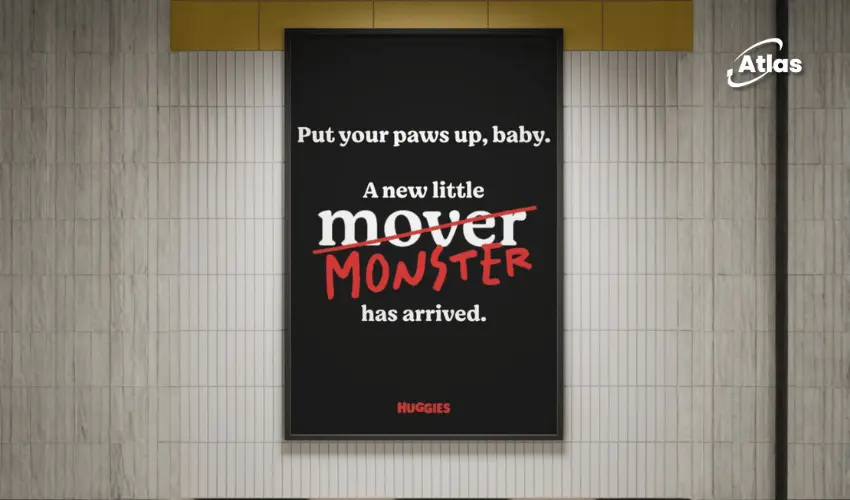
Outdoor placements offer only a few seconds of attention. The strongest healthcare creative communicates one clear service, access message, or brand promise, with a recognizable visual cue and a simple next step. It should be created for the format, viewing distance, and environment where it will appear.
- Use one message. Do not make a billboard carry every service line, condition, or benefit.
- Follow internal review. Route claims, imagery, language, and disclosures through the organization’s legal, brand, and compliance process.
- Respect privacy. Do not make an OOH plan dependent on personal patient information or individual-level targeting.
- Match the action to the environment. A memorable search phrase or short URL often fits a roadway better than a complex interaction.
- Leave time for approval. Media holds, creative adaptation, and required review should be scheduled before the desired launch date.
Use Formats for Different Roles
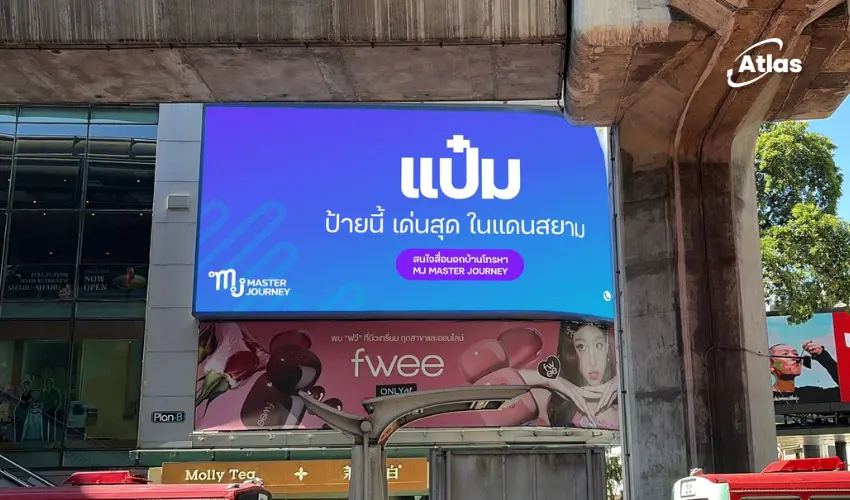
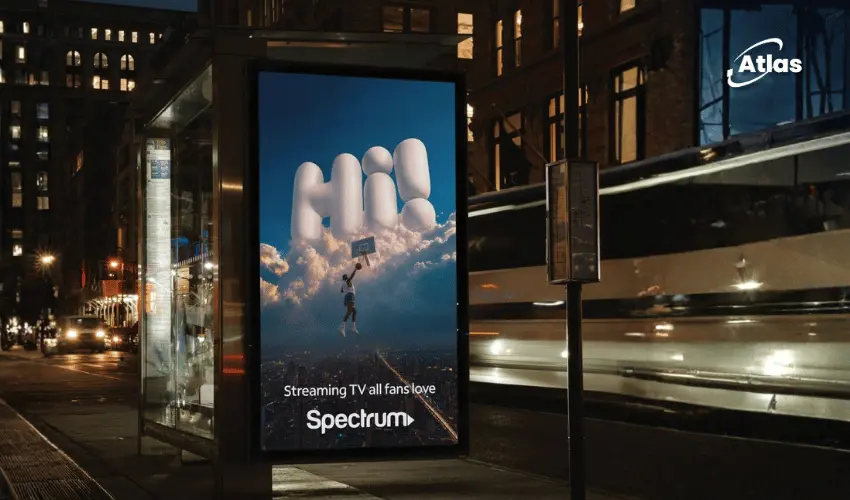
Static billboards can create steady local presence along a key route. Digital OOH can rotate approved messages by service line, market, or campaign phase. Transit can add daily frequency near dense neighborhoods, while airport or premium urban formats can support a broader system brand or recruiting objective.
For buying considerations, read the Atlas digital billboard advertising guide and transit advertising buyer guide. Formats should complement one another rather than duplicate the same reach without a reason.
Measure the Role OOH Plays
Start with proof of posting or proof of play. Then review signals that connect to the campaign objective: branded search, local website traffic, approved landing-page activity, calls, appointment requests, service-line inquiries, location visits, recruiting traffic, or performance compared with a similar market without the campaign.
Patient decisions may not happen at the moment of exposure. OOH should be evaluated as part of the journey from familiarity to search, conversation, access, and care, using only measurement approaches appropriate for the organization’s privacy and reporting requirements.
Build a Better Healthcare OOH Brief
Before requesting availability, define the service or business objective, priority markets, locations or service territory, timing, budget scope, creative status, approval process, and measurement signal. The Atlas OOH campaign brief checklist can help make vendor responses easier to compare.
Plan your OOH campaign
Get recommendations for markets, formats and availability based on your campaign goals.
Request a media plan


Comments
Share your take. Keep it constructive and specific.