
Out-of-home advertising is bought in real places with real availability. A strong brief is not paperwork for its own sake. It is the bridge between a business objective and a market plan that can be evaluated on location, format, timing and cost scope.
Use this checklist before requesting billboard pricing, market availability or a multi-format OOH proposal.
1. Start with the business objective
State what the campaign needs to help accomplish. "Awareness" is a starting point, but the brief should connect visibility to a business outcome.
- Launch a location, service area or product in a defined market
- Build familiarity before a sales period, event or seasonal moment
- Reach commuters, local shoppers, travelers or a neighborhood audience
- Support qualified inquiries, store visits, search demand or a local offer
- Maintain visibility while customers compare providers
A useful one-sentence objective could be: "Build awareness for our new Nashville location among commuters during the four weeks before opening." It tells the planner what matters and what does not.
Healthcare organizations can use the same structure while adding service territory, creative approvals, and the access action they need to support. See the Atlas healthcare OOH advertising guide for the category-specific planning considerations.
2. Name the markets, corridors and priority places
List the city, neighborhood, trade area and locations that matter. The market may be an entire metro, but the decision often depends on commuter routes, retail clusters, airport access, transit movement or a service territory.
For example, a campaign can begin with market context in Nashville or Clarksville. The goal is not to select a face from a map in isolation; it is to identify the environments where the audience has repeated exposure.
3. Describe audience movement and the decision moment
Demographics alone rarely explain the best OOH placement. Add the routines and moments that make a message relevant: commuting, errands, school runs, travel, work shifts, events or nearby purchase decisions.
That information helps distinguish a high-speed corridor from a dwell environment, and a broad-reach placement from a local proximity placement. It also makes creative and measurement choices more practical.
4. Give each format a job
| Format | Planning question | Brief output |
|---|---|---|
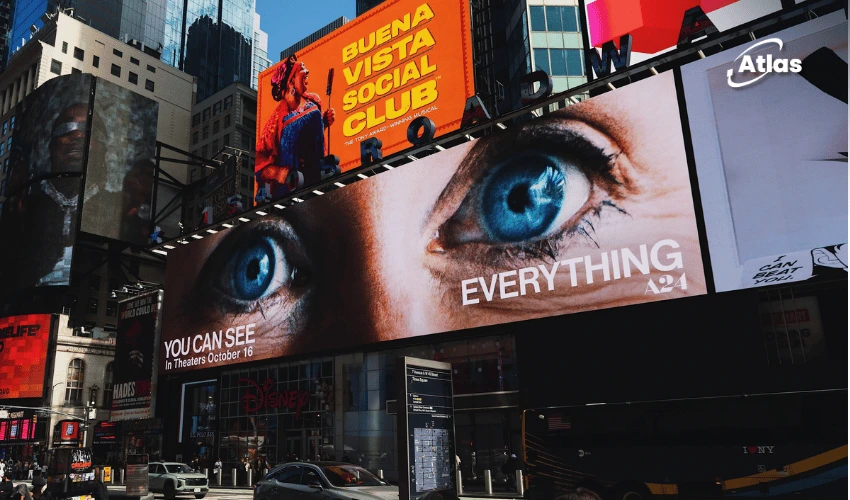
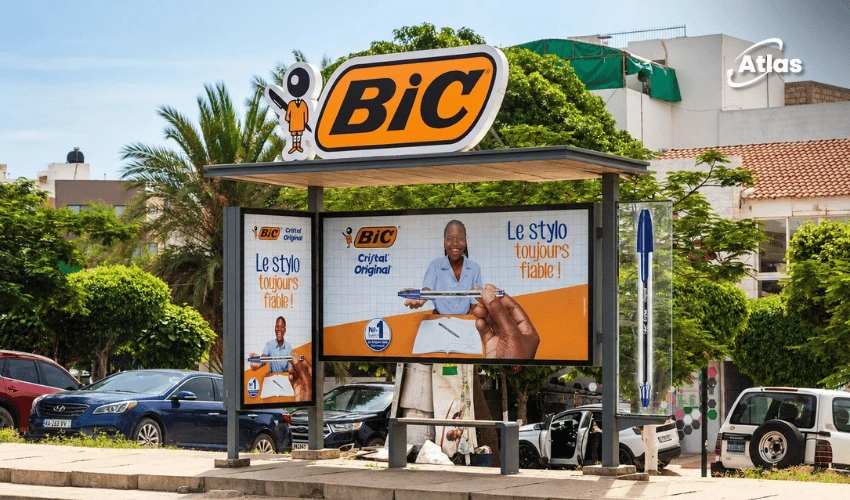
| Billboard | Do we need repeated presence on a key route? | Priority corridors, direction of travel and campaign length |
| Digital OOH | Do we need flexible timing or multiple messages? | Dayparts, message versions and launch windows |
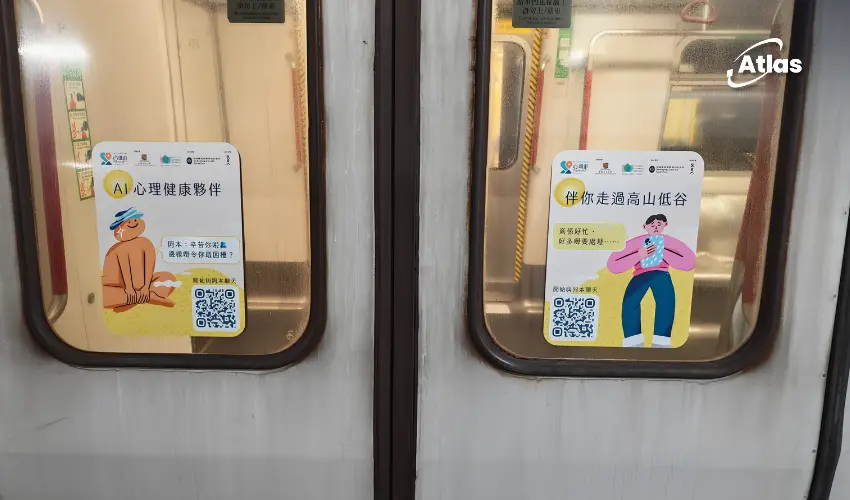
| Transit | Do we need daily dwell or neighborhood proximity? | Routes, stops, stations or local clusters |
| Airport | Do travelers matter to the campaign objective? | Arrival, departure or airport-to-city extension needs |
Review the transit advertising buyer guide and airport advertising buyer guide when those environments are part of the brief. The format follows the objective, not the other way around.
5. Set a realistic budget scope
You do not need a final budget to ask for a proposal, but you do need a useful range or level of investment. A transparent range allows a planner to show options that match the campaign instead of presenting every available unit.
- Media budget by market or format
- Creative adaptation for different specifications
- Production, printing, installation or digital trafficking as applicable
- Measurement, landing pages or tracking assets
- Flexibility for an added market or extended posting period
Ask the proposal to distinguish media from campaign support costs. That makes comparisons more honest and lets the team decide where budget changes will have the least effect on the objective.
6. Work backward from the desired launch
Include the target launch date, campaign duration and any immovable dates. OOH planning may involve inventory holds, creative specifications, approval steps, production and installation. Earlier planning gives more relevant options, particularly in constrained markets and premium environments.
Also note whether the campaign needs continuous presence, a short launch burst, specific dayparts or phased creative. These choices affect availability as much as the location itself.
7. Confirm creative readiness
Identify whether creative is final, in progress or needs support. Outdoor creative should be built for the viewing environment: one clear idea, recognizable branding and an action that is realistic at the speed or dwell time of the placement.
Include required legal copy, language versions, brand restrictions and the person responsible for approvals. This prevents an otherwise viable media plan from missing a launch window.
8. Choose the measurement signal before launch
Measurement should reflect the role of the campaign. A local launch can track qualified inquiries, market-level website traffic, branded search, store visits, QR or vanity URL activity, promotional code use or a comparison with a similar market. The right signal is agreed before the buy starts, not added after it ends.
State what baseline is available, who will review results and what result would justify extending or changing the plan.
Copy this OOH campaign brief
- Objective: What should the campaign change or support?
- Markets: Which cities, corridors, neighborhoods or locations matter?
- Audience movement: Where and when does the audience travel or decide?
- Formats: Which environments are preferred, and which are excluded?
- Budget scope: What media range or investment level is realistic?
- Timing: What is the preferred launch date and campaign length?
- Creative: What is ready, and what needs adaptation or approval?
- Measurement: Which business signal will be reviewed after launch?
Plan your OOH campaign
Get recommendations for markets, formats and availability based on your campaign goals.
Request a media plan

Comments
Share your take. Keep it constructive and specific.