
Guinness Sports Sponsorship ROI Under the Microscope: Sid Lee Sport & Kepler Study
Sports sponsorship can put a brand in front of millions of fans, but exposure is not the same thing as commercial return. Logos visible during a broadcast, mentions across social channels and branding inside stadiums all create potential opportunities. The harder question is how much those opportunities actually contribute to purchasing behaviour, brand strength and business performance.
That is the central challenge behind the new Guinness sports sponsorship evaluation. Working together, Sid Lee Sport and Kepler are evaluating sponsorship ROI across rugby and football partnerships in key international markets.
Six Markets, Football and Rugby: A Global Sponsorship Portfolio
The review covers Great Britain, Ireland, Kenya, the United States, Indonesia and South Korea. The agencies report that the evaluation spans nine rights holders, with named partnerships including the Premier League, Arsenal, Aston Villa, Newcastle United, the Guinness Men's and Women's Six Nations and the four home rugby unions.
These properties offer different types of audience connection. League and club sponsorships can generate regular football visibility, while rugby relationships provide other sporting calendars, traditions and fan communities. The commercial contribution of a partnership may therefore differ substantially between a national market, a club audience and an international tournament.
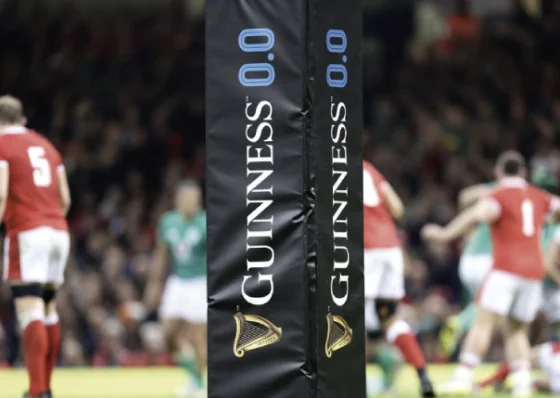
From an Out-of-Home Advertising perspective, stadium branding is an especially useful case study because one physical installation may reach spectators on-site and additional viewers through television, highlights and online sharing. Those exposures may overlap, so simply adding potential impressions together does not establish incremental value.
How KIP Drives Sports Sponsorship Measurement Beyond Reach
The agencies will use KIP, a proprietary intelligence platform, to analyse three years of sales, brand and partnership information. The stated objective is to help isolate the incremental commercial impact of the sponsorship portfolio—what the investment may contribute above what might otherwise have happened.
The framework considers a wider group of inputs than traditional media valuation. Reported areas of analysis include:
- Broadcast media value: the exposure associated with sports coverage and related programming.
- Digital reach: the extension of partnerships through online and social audiences.
- Stadium pouring rights: on-site commercial rights connected with beverage availability and consumption.
- Fan research: how supporters perceive and engage with the brand.
- Experiential activation: the role of real-world brand experiences around sports properties.
- Market utilisation: whether the same partnership is being activated effectively in different countries.
The distinction is relevant beyond sponsorship. In OOH Marketing, brands can track impressions, location coverage and estimated footfall while also asking whether a placement contributes to awareness, consideration or sales. Those are related questions, but they are not interchangeable measurements.
Experiential OOH & Stadium Advertising: Measuring Real-World Guinness Activations
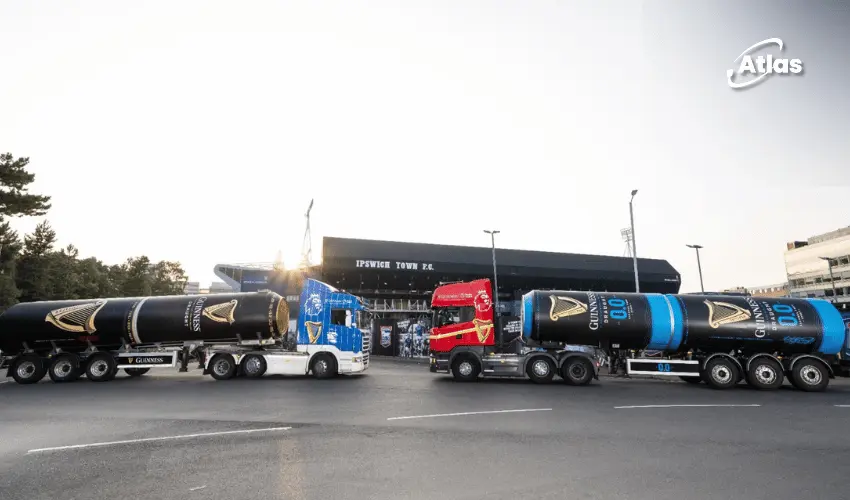
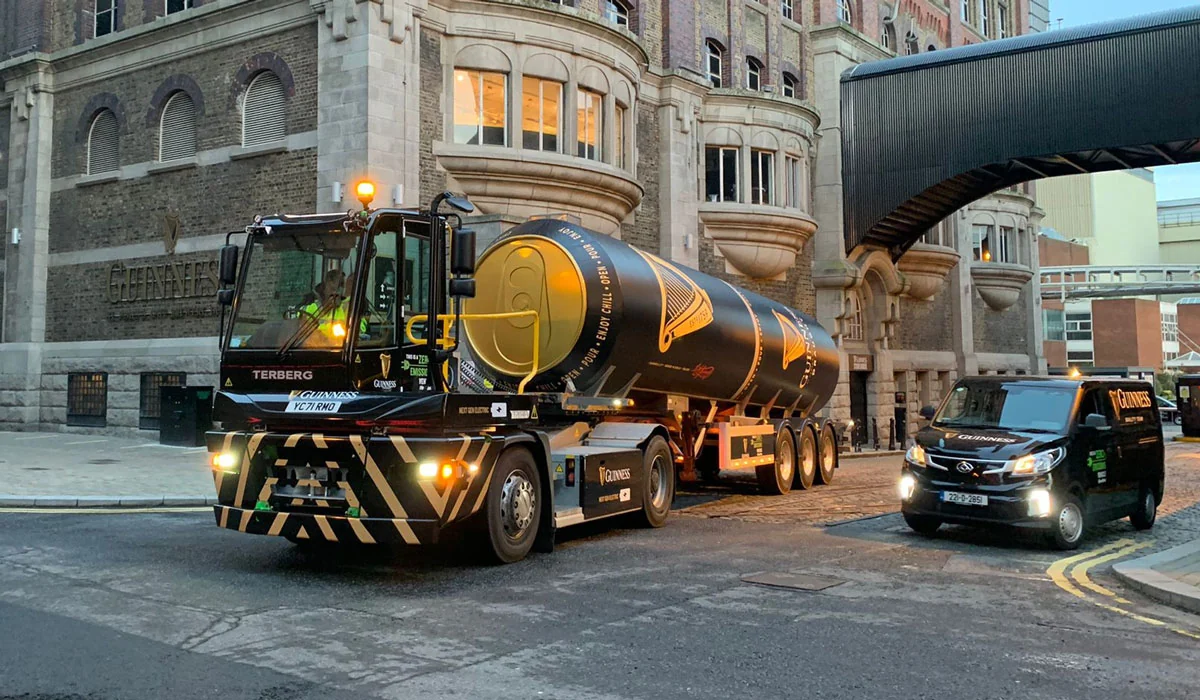
For Guinness, branded physical experiences offer an intuitive way to bring a sponsorship identity beyond a screen. The supplied photographs show oversized Guinness can-shaped vehicles, including Guinness 0.0 branding. Such installations illustrate the creative possibilities of Experiential OOH, Branded Vehicle Advertising and Mobile Outdoor Media.
These images are examples of real-world brand presence; the supplied material does not establish that these specific vehicles are part of the sponsorship study or that the vehicles generated a particular commercial uplift.
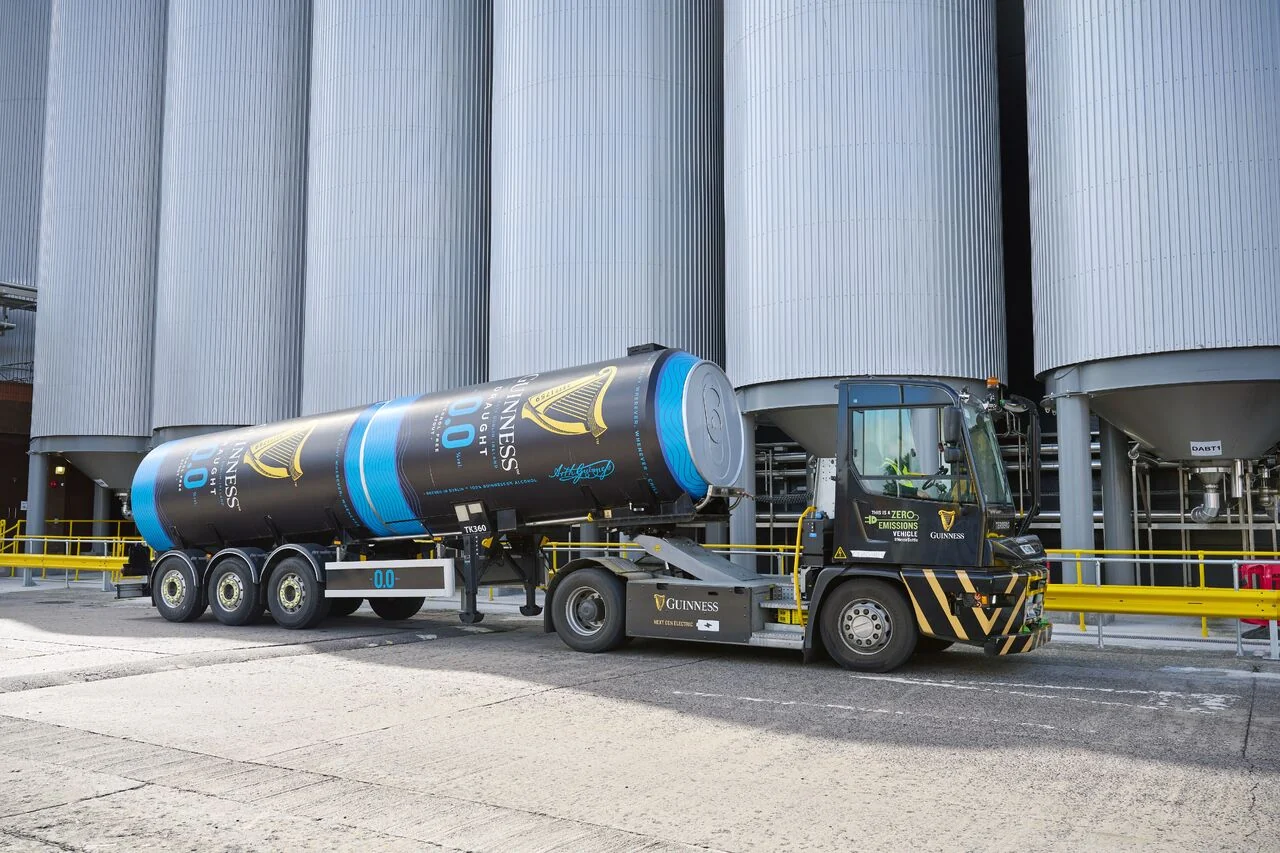
Photogenic structures, large branded vehicles and physical product replicas can earn attention in public spaces and generate secondary digital circulation. Yet their apparent impact can be difficult to separate from existing brand affinity, media coverage, concurrent promotions and the sporting event itself. A measurement framework needs to consider those factors rather than assuming every sighting represents a new customer or a new sale.
What This Means for Stadium Advertising and Location-Based OOH
A major takeaway for Outdoor Advertising is that the value of a placement depends on more than its physical scale. A memorable visual outside a football ground, a stadium sign visible during a match, and a mobile branded vehicle on a public street engage audiences differently. All may support a broader sponsorship story, but each has different distribution, frequency and opportunities for measurement.
The same consideration applies to Digital Out-of-Home and other Location-Based Advertising channels. Even when a screen or vehicle creates significant visibility, brands still need a credible way to connect exposure to meaningful behaviour. The Guinness announcement does not identify specific new DOOH screens or a programmatic campaign; the relevant insight is the emphasis on evaluating business impact across touchpoints.
The difference between broad visibility and business effectiveness also appears in other OOH examples covered by Atlas OOH. GTA VI's full-wrap Antwerp tram uses transit media to bring an entertainment property into everyday journeys, while Tubi's UK outdoor campaign turns viewing emotions into contextual street-level messages. Their creative executions can be described from installed photographs, but their financial returns require separate evidence.
Guinness Seeks a Smarter Basis for Future Sponsorship Investment
The purpose of the Sid Lee Sport and Kepler project is practical: give Guinness a comparable, commercially grounded view of how partnerships perform across markets, where they may be underused and how future investment could create more value.
That does not mean the findings have already been published. As of the November 2026 announcement, no quantified incremental sales uplift, sponsorship ROI percentage or rights-holder ranking was provided. The story is the evaluation underway, not an independently verified claim that a specific partnership has outperformed another.
For marketers planning OOH Advertising, sporting partnerships or experiential campaigns, this distinction is essential. Creative visibility is valuable, but it becomes more useful to decision-makers when it is assessed alongside audience response, commercial rights, geographic performance and business outcomes.
Explore location-led outdoor and experiential media planning with Atlas OOH and consider how every visible brand moment can fit into a broader measurement strategy.
Frequently asked questions
What is Guinness evaluating with Sid Lee Sport and Kepler?
Guinness is reviewing the commercial impact of its football and rugby sponsorship portfolio, using sales, brand and partnership data across six markets.
Which countries are included in the Guinness sponsorship study?
Great Britain, Ireland, Kenya, the United States, Indonesia and South Korea.
How does KIP support sponsorship measurement?
KIP is the proprietary intelligence platform used by Sid Lee Sport and Kepler to assess three years of data and help identify incremental commercial impact.
Does the evaluation measure only media exposure?
No. It also assesses digital reach, stadium pouring rights, fan research and experiential activation, alongside business outcomes and use of sponsorship rights across markets.
Have Guinness sponsorship ROI results been released?
No quantified ROI findings were included in the November 2026 announcement. The study is intended to guide future investment decisions.
Sources
- Sid Lee Sport partners with Guinness to measure the true commercial value of sports sponsorship - Marketing Communication News — Newsroom / Source: Sid Lee Sport
Plan your OOH campaign
Get recommendations for markets, formats and availability based on your campaign goals.
Request a media plan

Comments
Share your take. Keep it constructive and specific.