
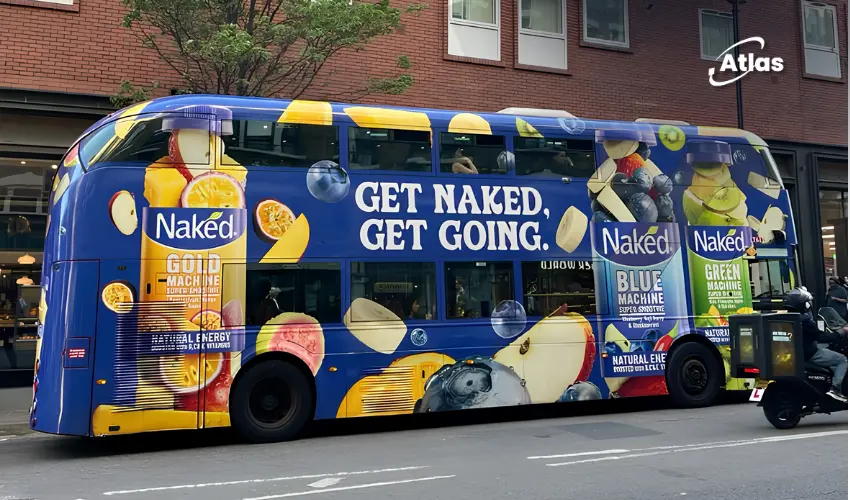
Transit advertising is built for repetition. People travel the same routes, wait at the same shelters, pass through the same stations, and move through the same corridors every week. That makes transit useful for brands that need local familiarity, not just one-time reach.
For Atlas OOH buyers, transit is especially valuable in urban markets where audience density, neighborhood context, and commute behavior matter. A bus exterior can move through multiple neighborhoods. A shelter can hold attention at street level. A rail station can reach commuters with dwell time. A digital screen can rotate timely messages by location or daypart.
Where Transit Fits in the Media Plan
Transit can support store openings, app launches, tourism, education, financial products, healthcare awareness, entertainment, CPG launches, recruitment, and local service campaigns. It works best when the audience is tied to a route, neighborhood, event, campus, workplace, or retail cluster.
Transit is also a useful complement to billboards. Billboards create large-format presence; transit adds street-level repetition and route coverage. Together, they can make a campaign feel present across a city.
A Practical Planning Table
| Goal | Transit approach | Best format | Measurement signal |
|---|---|---|---|
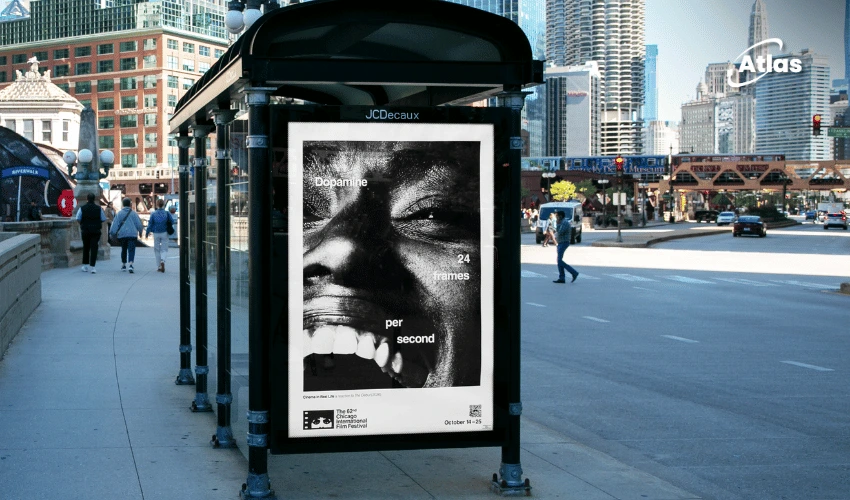
| Neighborhood frequency | Own repeated routes and stops | Bus shelters, bus exteriors, urban panels | Search lift, direct traffic, store visits |
| Commuter reach | Focus on rail, bus, and station flow | Stations, platforms, rail posters | Recall, site visits, QR scans |
| Retail support | Surround store clusters and shopping corridors | Shelters, bus routes, digital screens | Foot traffic, promo activity, sales lift |
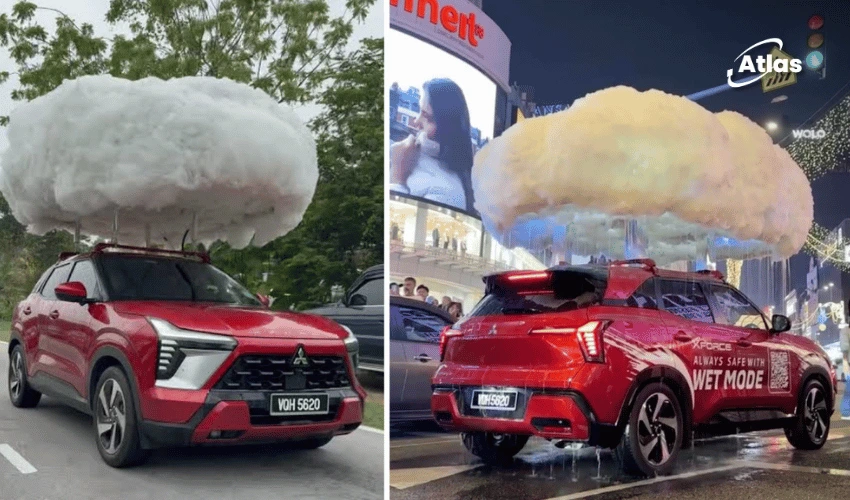
| Event visibility | Use arrival routes and venue approaches | Wrapped vehicles, shelters, stations | Ticket visits, RSVPs, web spikes |
| City launch | Combine transit with billboards and DOOH | Route packages, stations, digital OOH | Branded search, direct traffic, leads |
Choose Format by Dwell Time
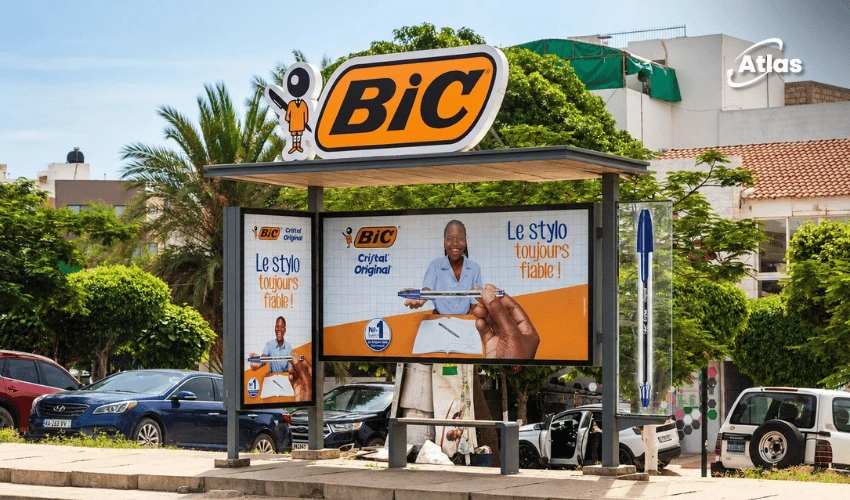
Not all transit media behaves the same way. Moving bus exteriors need bold creative and short copy. Shelters can support a bit more information because pedestrians and riders have dwell time. Station media can support directional messaging, app downloads, QR codes, or event CTAs when people are waiting.
The route matters as much as the format. A campaign near retail corridors should be planned differently than one around office districts, nightlife zones, campuses, airports, or sports venues.
Creative Rules for Transit OOH
- Design for motion. Bus exteriors need simple contrast, large type, and one main message.
- Use dwell where it exists. Shelters and stations can carry QR codes, short URLs, or offer details.
- Localize the message. Neighborhood names, route context, and city references make transit feel relevant.
- Plan for repetition. Creative should remain clear after the fifth or tenth exposure.
- Pair with capture channels. Search, social, landing pages, and store paths should be ready when awareness rises.
Data-Driven Transit Buying
A good transit plan starts with where the audience moves. Atlas OOH can help evaluate route coverage, nearby retail, neighborhood fit, commute patterns, and market context before selecting inventory. The goal is not to buy every route. It is to buy the routes and dwell points that match the campaign job.
Market pages such as Los Angeles transit advertising, New York transit advertising, and Seattle transit advertising are useful starting points. For buying flexibility, see how programmatic DOOH works.
Budget and Measurement
Transit pricing depends on market, format, route value, campaign length, production, and whether the buy includes static or digital units. Use OOH cost factors to compare transit against billboards and digital screens.
Measurement should include proof of posting, route-level delivery where available, search lift, website sessions, QR or short URL activity, store visits, lead volume, and exposed-area comparison. The measurement plan should match the format: shelter scans are not the same as bus exterior reach.
Plan your OOH campaign
Get recommendations for markets, formats and availability based on your campaign goals.
Request a media plan
Comments
Share your take. Keep it constructive and specific.