
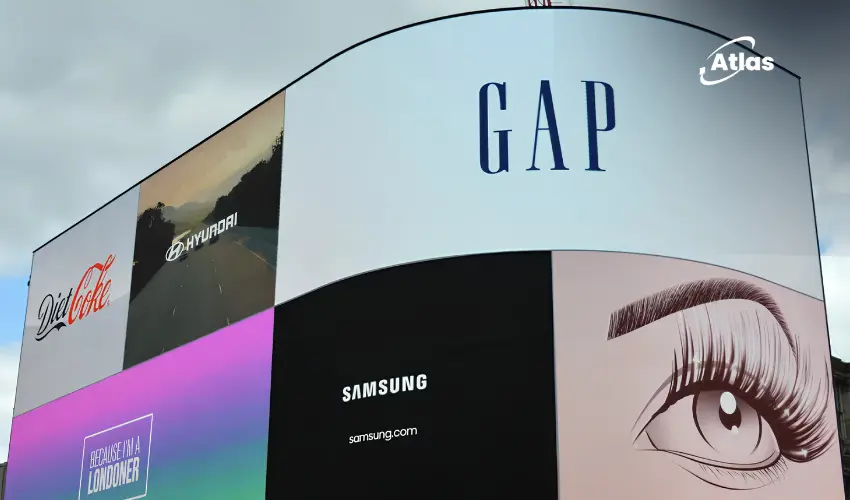
How Programmatic Digital Out-of-Home Advertising Works
Digital out-of-home can make outdoor campaigns more flexible, measurable and responsive when the network and buying setup support the required rules.
Instead of relying only on traditional negotiations, advertisers may buy eligible digital inventory programmatically. That does not mean every screen is available in real time: market, media owner, format, dates, creative specifications and campaign terms still matter.
What Is Programmatic DOOH?
Programmatic DOOH is the automated buying and delivery of advertising across eligible digital outdoor screens.
Using demand-side platforms (DSPs), advertisers can access participating digital billboard, transit, retail, airport and place-based networks through a buying platform. Availability differs by network and campaign requirements.
The technology evaluates the agreed campaign settings—such as budget, geography, time of day, eligible inventory and creative requirements—before an ad is delivered.
How the Process Works
- Campaign Setup: The advertiser defines the campaign objective, audience, budget, locations, and schedule.
- Inventory Selection: A DSP connects to available DOOH inventory across multiple media owners and digital screen networks.
- Audience or Context Rules: Define the location, timing, audience or contextual rules that the selected network can support.
- Automated Buying: The platform purchases eligible impressions or screen time that match the approved campaign parameters.
- Creative Delivery: Ads are displayed automatically on selected screens based on the campaign rules.
- Measurement & Optimization: Agree on proof of play and the reporting method before launch; any in-flight changes depend on the media terms and campaign setup.
Real-Time Optimization
One advantage of programmatic DOOH is that qualified campaigns can use timing or contextual rules without replacing physical creative.
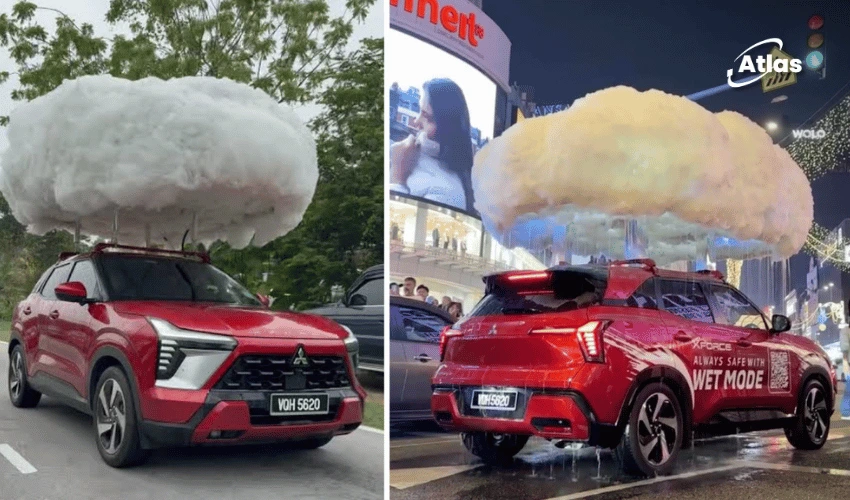
When a network and the campaign setup support it, creative may change based on:
- Weather conditions.
- Time of day.
- Traffic levels.
- Sporting events.
- Local news.
- Store inventory.
- Flight schedules.
- Live promotions.
Confirm the available triggers, creative approval process and reporting requirements before relying on any of these rules.
Benefits for Advertisers
Programmatic buying can offer several advantages:
- Faster campaign activation.
- Greater audience precision.
- Flexible budgeting.
- Dynamic creative updates.
- Improved operational efficiency.
- Cross-channel integration with digital campaigns.
- Performance optimization throughout the campaign lifecycle.
When Programmatic DOOH Works Best
Programmatic outdoor advertising is particularly effective for campaigns that require flexibility or timely messaging.
Examples include:
- Retail promotions.
- Weather-triggered campaigns.
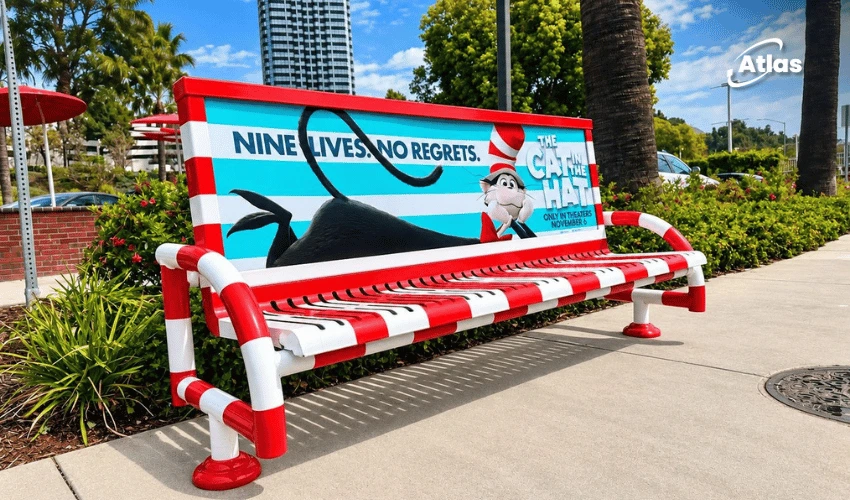
- Movie releases.
- Sporting events.
- Travel marketing.
- Restaurant offers.
- Product launches.
- Financial services.
- Automotive campaigns.
Brands can coordinate eligible markets while still delivering localized messages where the selected inventory and buying setup support it.
Does Programmatic Replace Traditional OOH Buying?
Not entirely.
Many advertisers combine guaranteed premium billboard placements with programmatic DOOH inventory to balance long-term brand visibility and tactical flexibility.
The two approaches often complement each other rather than compete.
Bottom Line
Programmatic DOOH is one buying option within outdoor advertising.
It can combine automation, creative flexibility and reporting with public-facing screens. The right approach depends on the objective, markets, available inventory, timing, creative and measurement requirements.
How to Buy Programmatic Outdoor Advertising
Start with a brief: objective, priority markets, launch window, budget range, audience or context rules, creative status and reporting needs. Then compare eligible inventory and buying options before approving the plan.
For help turning those inputs into a campaign proposal, review the digital billboard buyer guide or contact Atlas OOH.
Plan your OOH campaign
Get recommendations for markets, formats and availability based on your campaign goals.
Request a media plan
Comments
Share your take. Keep it constructive and specific.