
Connectivity is national in brand language but local in customer reality. A wireless carrier can talk about nationwide coverage, but a consumer cares whether the phone works on the commute, in the apartment, at the office, at the stadium, and on weekend trips. A fiber provider can talk about speed, but the customer cares whether the service is available on their block.
That local reality makes OOH a strong fit for telecom, wireless, broadband, fiber, and connectivity brands. Outdoor advertising can make market availability visible, reinforce a coverage claim where people actually move, and support store or online acquisition in the same geography.
The key is discipline. Telecom OOH should connect product, geography, offer, and timing. A fiber buildout campaign has different needs than a wireless switching push. A business internet campaign needs different environments than a prepaid wireless campaign.
Where OOH Fits in Telecom Marketing
Telecom advertisers already use search, comparison sites, TV, direct mail, retail, affiliate, and paid social. OOH sits above and around those channels, making the brand feel available before the customer searches or walks into a store.
It is especially useful for new market launches, fiber neighborhood rollouts, 5G or home internet offers, retail store support, airport or transit visibility, and competitive switching campaigns. In each case, the media plan should be built around where the claim is most relevant.
A Practical Planning Table
| Telecom goal | OOH approach | Best locations | Useful KPI |
|---|---|---|---|
| Fiber launch | Neighborhood-level visibility around serviceable areas | Arterials, retail zones, apartment clusters | Availability checks, landing page visits |
| Wireless switching | High-frequency commuter and retail messaging | Highways, transit, malls, carrier-store corridors | Store visits, plan comparison traffic |
| 5G or coverage claim | Broad market presence with simple proof points | Major corridors, airports, downtown screens | Branded search, direct traffic, recall |
| Prepaid or value plans | Localized price or simplicity messaging | Neighborhood retail, bus shelters, urban panels | Calls, store visits, offer page sessions |
| Business connectivity | Reach decision makers near work patterns | Business districts, airports, office corridors | Lead forms, sales inquiries, branded search |
Match Message to Service Area
The fastest way to waste telecom OOH is to advertise an offer where the product cannot be bought. Fiber, fixed wireless, and broadband campaigns should be mapped against service availability. If a neighborhood cannot order the product yet, the message should either be excluded or framed as coming soon.
This is where data-driven buying matters. Atlas OOH can help match inventory to priority markets, zip codes, retail zones, and corridors instead of spreading budget evenly across a DMA. A strong plan may buy fewer locations but make each location more relevant to acquisition.
Creative Rules for Telecom OOH
- Lead with one reason to switch. Speed, price, coverage, reliability, or simplicity should be the hero.
- Use local availability when it is true. A message like fiber is now in your neighborhood is stronger than a generic brand line.
- Keep plan details off high-speed boards. Use the landing page for disclaimers, plan tiers, and eligibility details.
- Make the next step obvious. Check availability, compare plans, visit a store, or scan in a dwell-time environment.
- Rotate by context. Digital OOH can support commute, event, retail, weather, or local promotion windows.
Use Digital OOH for Offer Flexibility
Telecom offers change. Inventory, pricing, bundles, device promotions, and seasonal switching incentives can move quickly. Static billboards are useful for durable claims, but digital OOH helps when the campaign needs to rotate messages by week, audience moment, or neighborhood.
For example, a wireless carrier might run commuter coverage messaging in the morning, store promotion creative in the afternoon, and sports-event creative around a stadium at night. A fiber provider might rotate service-available messages by neighborhood as construction phases open.
If your team is building this for the first time, start with how programmatic DOOH works. For outcome planning, use privacy-first attribution for DOOH so the campaign does not rely on one fragile metric.
Markets and Format Mix
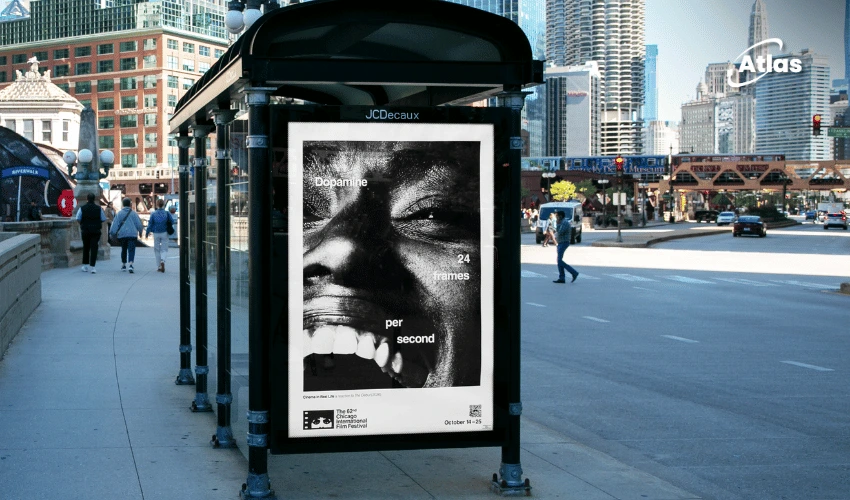
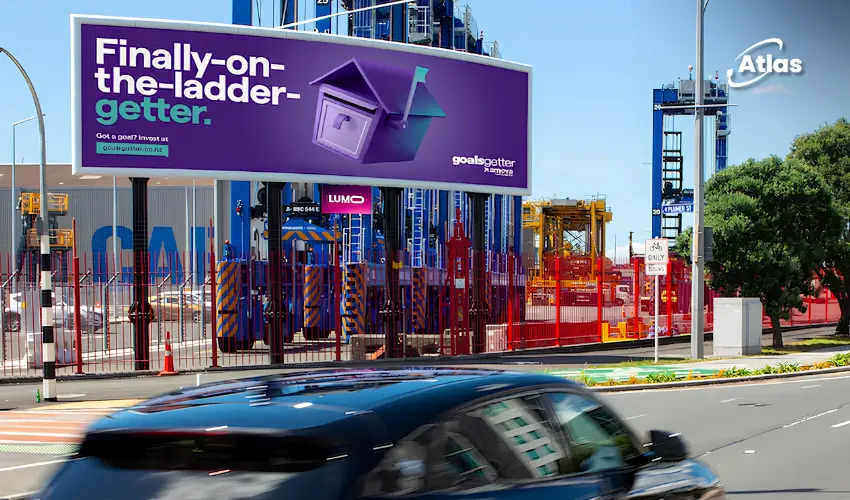
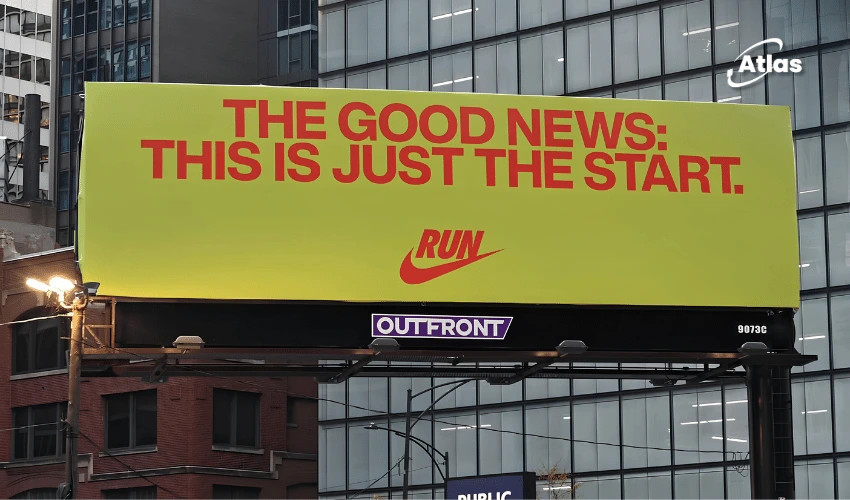
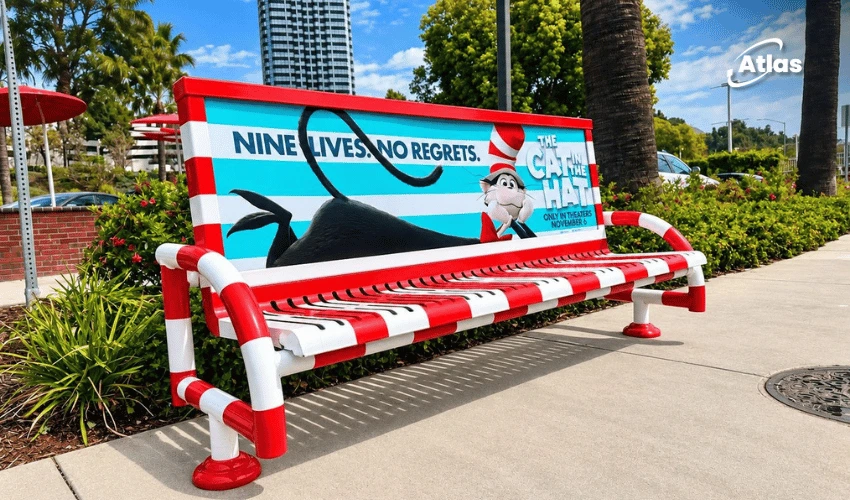
Telecom plans often need a balanced format mix. Billboards create high-reach market presence. Transit and street furniture build frequency in dense neighborhoods. Airport and business-district media can support premium wireless or business connectivity. Retail-adjacent screens can support store visits and switching.
Market pages such as Los Angeles billboards, New York billboards, Austin billboards, and Seattle billboards are useful starting points, but the final buy should map to service availability and competitive pressure, not just market size.
Measurement That Makes Sense
Telecom OOH should be measured through several signals: proof of posting, market-level search lift, direct and organic traffic to availability pages, store visits where applicable, call tracking, plan comparison activity, and exposed-market performance compared with lower-exposed markets.
For pricing expectations, review billboard costs in 2026. Telecom budgets can scale quickly, but the best plan is the plan that makes the right claim in the right serviceable geography.
Plan your OOH campaign
Get recommendations for markets, formats and availability based on your campaign goals.
Request a media plan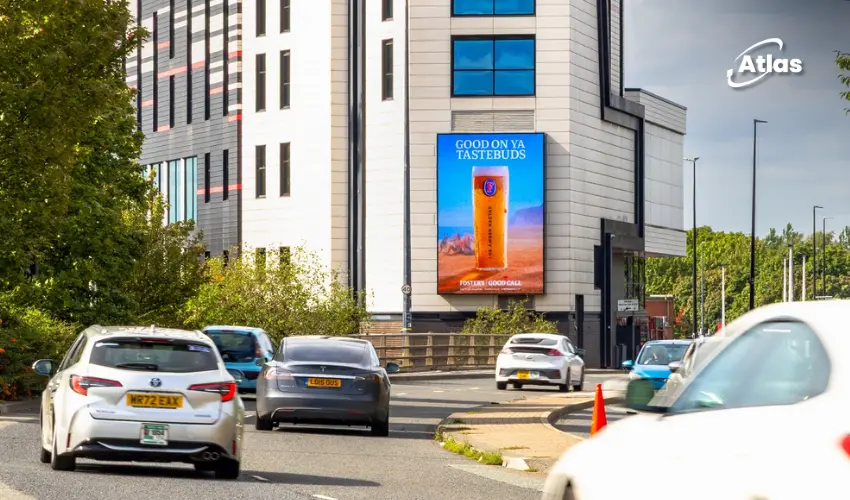

Comments
Share your take. Keep it constructive and specific.