
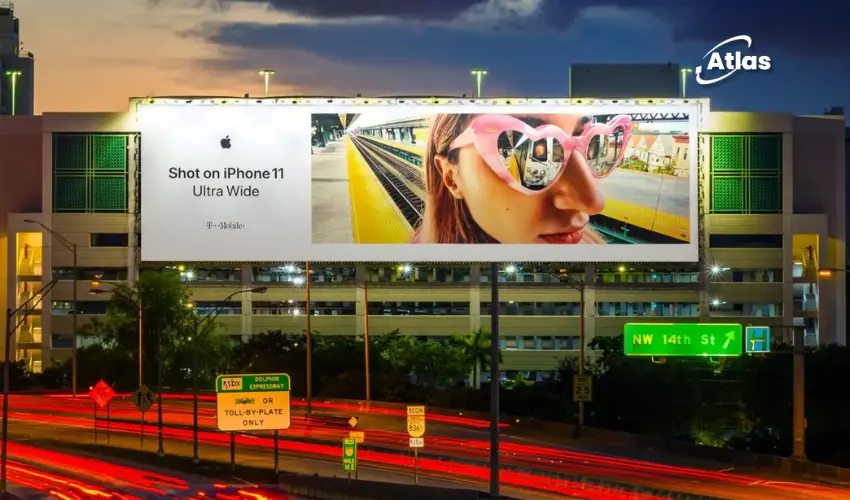
Quick answer: Miami billboard advertising is strongest when the campaign is planned around the market's real movement patterns: airport traffic, tourism, commuter corridors, retail zones, entertainment districts, events, and neighborhood-level audiences. Pick locations and formats based on the campaign job, not only on board availability.
Search demand for Miami billboards and outdoor advertising in Miami points to high-intent buyers. These are usually advertisers comparing location, price, format, and market fit. A strong plan turns that interest into a clear media brief.
How to Plan Miami Billboard Advertising
Miami is not one audience. A campaign may need to reach locals, visitors, commuters, event attendees, shoppers, business travelers, or category-specific audiences moving through very different parts of the market.
Start by defining the desired outcome. A tourism campaign, a real estate launch, a healthcare campaign, a retail opening, and an event promotion should not use the same route logic, creative, or measurement plan.
Planning Table
| Campaign goal | Miami planning focus | Format fit | Measurement signal |
|---|---|---|---|
| Tourism or hospitality | Airport movement, hotel corridors, visitor zones | Airport media, digital billboards, premium OOH | Search lift, bookings, landing page traffic |
| Retail or restaurant traffic | Trade areas, neighborhood routes, shopping zones | Static, digital, and mobile billboards | Store visits, promo use, calls, local search |
| Event promotion | Venue approaches, nightlife districts, hotels | Digital billboards and mobile OOH | Ticket visits, RSVPs, QR scans |
| Real estate or development | High-income corridors, commute paths, local landmarks | Premium static and digital placements | Lead forms, calls, branded search |
| Market awareness | Citywide reach plus priority neighborhoods | Mixed billboards, transit, digital, and airport media | Search lift, direct traffic, market comparison |
Static, Digital, Mobile, and Airport Media
Static billboards can create durable presence in important corridors. Digital billboards can support rotating messages, timed offers, and fast creative updates. The Atlas digital billboard advertising guide explains how to use that flexibility without making the creative too complicated.
Mobile billboards can support events, openings, nightlife, and route-based campaigns. They are useful when movement is part of the strategy. For more detail, use the Atlas mobile billboard advertising guide.
Pricing Logic
Miami billboard pricing depends on market demand, location quality, visibility, format, campaign length, production, installation, seasonality, and whether the buy is static, digital, mobile, airport, or programmatic. Premium audience context can matter as much as traffic volume.
For broader budget planning, review Atlas on billboard costs in 2026. Use the article as a pricing framework, then compare real Miami options by objective and availability.
Creative Rules for Miami Billboards
- Design for speed. One headline, one visual idea, one action.
- Use separate versions when context changes. Tourist, local, and event audiences may need different messages.
- Keep language choices intentional. Multilingual creative can be powerful, but crowded copy reduces readability.
- Match the CTA to the environment. Use memorable search phrases on roads and QR codes only where dwell time supports scanning.
- Plan for brightness and clutter. Miami is visually busy; contrast and simplicity matter.
Where Atlas Fits
Atlas can help compare Miami billboard options with digital, mobile, airport, transit, and broader market plans. The goal is to match media to a business outcome, not simply collect locations.
If you are evaluating partners or proposals, use the Atlas guide to outdoor advertising companies before committing budget.
Plan your OOH campaign
Get recommendations for markets, formats and availability based on your campaign goals.
Request a media plan

Comments
Share your take. Keep it constructive and specific.