
Consumer packaged goods brands live or die by mental availability and physical availability. People need to recognize the product, remember it at the right moment, and find it where they shop, eat, commute, travel, or socialize.
OOH is a natural fit because it operates in those same moments. A beverage can appear on the road to a stadium, a snack brand can show up near convenience corridors, a beauty launch can own transit and mall routes, and a household product can reinforce retail availability close to stores.
The best CPG OOH plans are not generic awareness buys. They connect the product, retail footprint, timing, format, and trial path. A national brand launch needs a different plan than a regional flavor drop, seasonal promotion, or challenger-brand retail push.
Where OOH Fits in CPG Marketing
CPG teams already use retail media, paid social, search, creator content, sampling, trade promotion, and shopper marketing. OOH adds public salience. It makes a product feel visible before the shopper reaches a shelf, app, store, or delivery platform.
This is especially useful for product launches, new flavor announcements, retailer exclusives, seasonal peaks, sports and entertainment moments, and market-by-market distribution growth. OOH can also amplify creator or social-first creative by making it street-ready.
A Practical Planning Table
| CPG objective | OOH strategy | Best environments | Useful KPI |
|---|---|---|---|
| New product launch | Build broad recognition in launch markets | Billboards, transit, digital spectaculars | Search lift, retail velocity, site visits |
| Retail distribution push | Concentrate media near store clusters | Street furniture, retail screens, arterials | Store visits, sales lift, coupon activity |
| Beverage or snack trial | Own consumption moments by daypart | Gas, convenience, transit, stadium corridors | QR scans, promo redemption, retail traffic |
| Seasonal promotion | Rotate timely creative by week or weather | Digital OOH, malls, commuter routes | Search lift, sales lift, promo page visits |
| Challenger brand awareness | Use high-impact creative in priority neighborhoods | Murals, posters, transit shelters, billboards | Brand search, social lift, store inquiries |
Start With Distribution
CPG OOH should be planned around where the product is available. If a product is stocked in specific retailers, the media should prioritize those retail corridors, trade areas, and commuter routes. If the launch is direct-to-consumer, the plan should support markets where shipping, demand, and digital capture are strongest.
Atlas OOH can help connect retail clusters, neighborhood demand, format availability, and timing windows. The goal is not just reach. The goal is useful reach close to the purchase or trial opportunity.
Creative Rules for CPG OOH
- Show the product clearly. Packaging, flavor, size, or use case should be instantly recognizable.
- Use one appetite or benefit cue. Refreshing, spicy, clean, convenient, premium, fun, or limited-time should not all compete.
- Make retail availability obvious. If the product is at a specific retailer, say so when approved.
- Use context. Weather, lunch, commute, sports, nightlife, and weekend moments can make CPG creative more relevant.
- Keep the CTA simple. Try it, find it, scan for offer, or search the product name.
Use Digital OOH for Retail and Timing
CPG campaigns often need flexibility. Weather can change beverage demand. Sports calendars can change snack moments. Retail promotions can shift by week. Digital OOH lets brands rotate messages without rebuilding the entire plan.
For buying mechanics, see how programmatic DOOH works. For measurement, use OOH KPI and attribution planning to define the right mix of delivery, demand, and sales signals.
Markets and Formats to Consider
CPG plans often start with distribution and cultural fit. Large markets such as Los Angeles, New York, Miami, and Chicago can support major launches, but smaller priority markets may matter more if retail distribution or category demand is stronger there.
Budget and Measurement
CPG OOH measurement should combine proof of posting, market-level sales where available, retailer or delivery platform data, search lift, coupon or QR activity, social lift, site traffic, and exposed-market comparison. The campaign should be judged against launch goals, not only media metrics.
Use billboard cost factors to understand why premium retail corridors, digital share of voice, seasonality, and special builds change price.
Plan your OOH campaign
Get recommendations for markets, formats and availability based on your campaign goals.
Request a media plan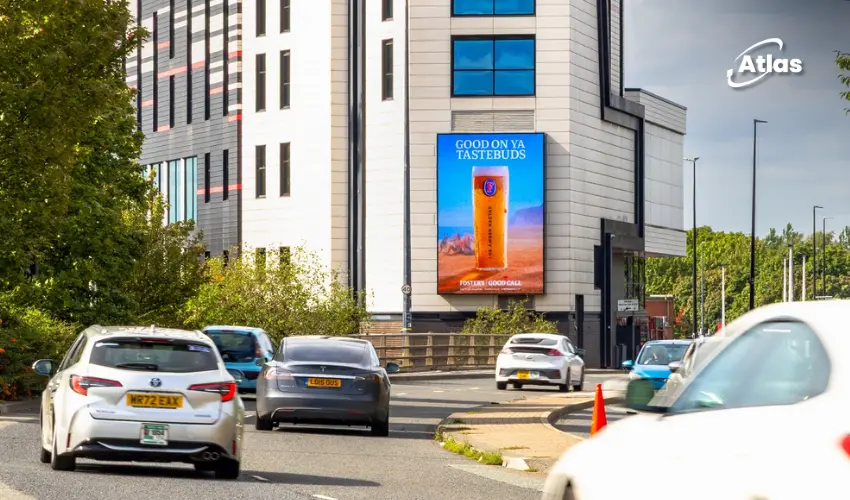
Comments
Share your take. Keep it constructive and specific.