
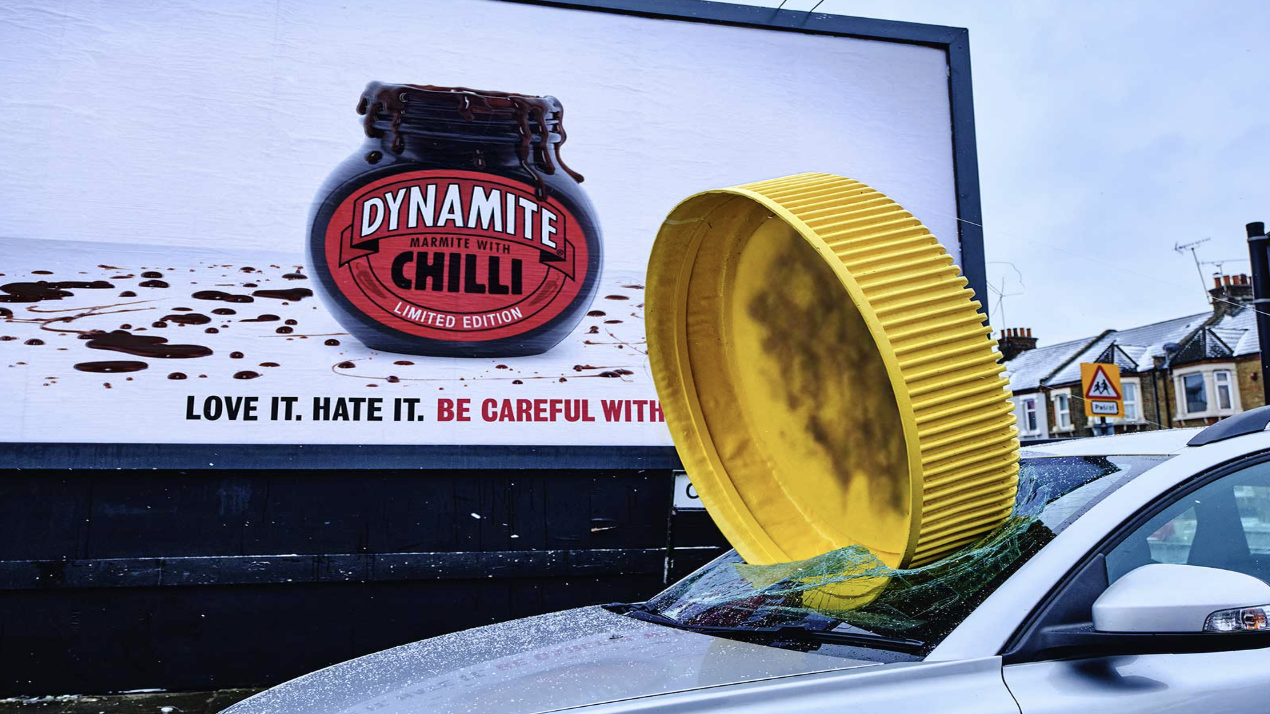
Quick answer: WOO’s “Love it or hate it” challenge is valuable because it doesn’t pretend the fix is simply “be braver.” It highlights the friction that blocks great OOH: approvals, risk, decision fatigue, and process. The solution is to build better systems that protect creativity—especially in a 2026 landscape where DOOH and programmatic can accidentally tilt teams toward optimization over ideas.
The uncomfortable truth: bold OOH is harder to sell
The industry loves to say “creative wins.” But everyone in OOH also knows the reality: bold work is harder to approve, harder to defend, and easier to kill in a conference room. WOO’s “Love it or hate it” framing is refreshing because it invites honesty about what actually stops great OOH from happening.
Why “safe” creative keeps winning the room
Safe creative isn’t always a lack of talent. It’s often a predictable outcome of how decisions get made:
- Many stakeholders: more reviewers means more compromises and fewer “sharp edges.”
- Public risk: OOH is judged in public life—brands fear being the mistake everyone photographs.
- Time pressure: tight posting windows reward what’s fast to approve, not what’s best.
- Option overload: too many units and formats create decision fatigue, so teams default to the familiar.
Why this hits the U.S. market especially hard in 2026
As brands invest more in DOOH and programmatic layers, it’s easy to slide into an “optimization-first” mindset—where performance logic becomes the hero and the idea becomes the afterthought. Data isn’t the enemy. But WOO’s debate is a reminder that data should serve creative, not replace it.
The practical playbook: 3 changes that protect better creative
1) Sell the idea first—then the inventory
Most proposals accidentally lead with spreadsheets: unit lists, specs, and rates. Flip the structure. Present the concept as the hero and the placements as the stage.
- Lead with: one-line concept, what it makes people feel/do, and why it fits the moment.
- Then show: the placements that make the concept unavoidable.
2) Reduce decision fatigue with “safe / strong / iconic”
Instead of showing 18 options, show 3 that are meaningfully different and easy to choose:
- Safe: approved quickly, reliable delivery, minimal risk.
- Strong: more distinctive, more memorable, still brand-safe.
- Iconic: public-life energy—built for conversation and earned media.
3) Pre-build mockups because clients can’t visualize scale
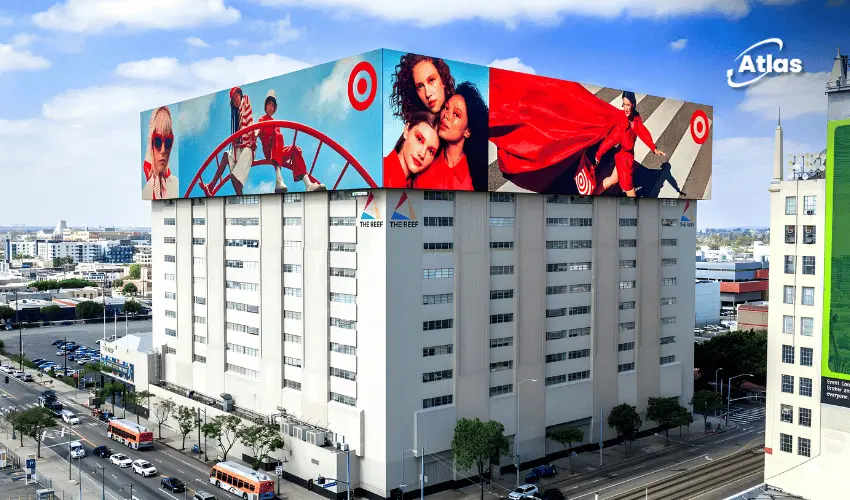
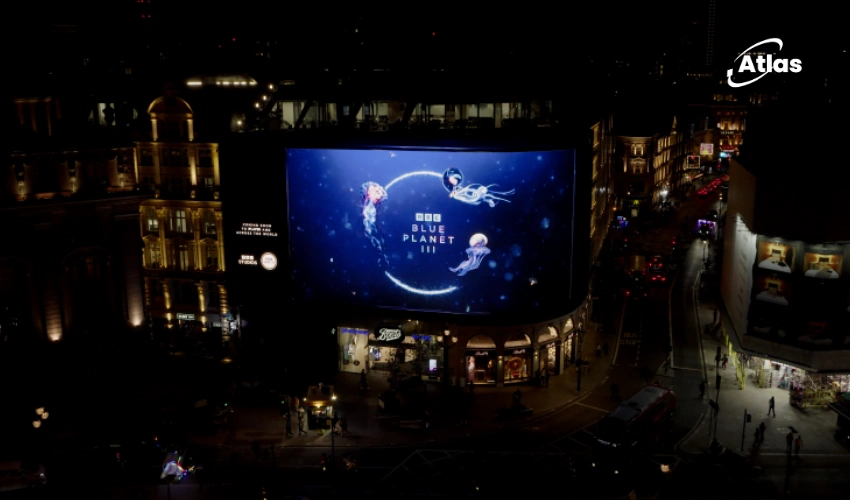
OOH is hard to imagine until you see it in context. Mockups shorten approval cycles and unlock bolder decisions. The best mockups show real sightlines, distance readability, and scale.
- Minimum set: 1 hero mockup + 2 context angles + 1 “day/night” view for DOOH.
- Bonus: include a simple “message at speed” check (7 words or fewer, instant comprehension).
A 2026 checklist for teams who want better OOH creative to survive
- Define the non-negotiable: what must remain sharp in the idea (the “spine”).
- Lock brand-safe templates early: layouts, disclaimers, product rules, legal requirements.
- Use modular creative: swap headlines/CTAs without rebuilding everything.
- Plan approvals like a workflow: who signs what, by when, and what “approved” actually means.
- Make DOOH rules serve the concept: dayparts, triggers, and messaging should amplify the idea.
Plan your OOH campaign
Get recommendations for markets, formats and availability based on your campaign goals.
Request a media plan

Comments
Share your take. Keep it constructive and specific.