
Quick answer: ÜFIT’s “Not for the Elite” campaign shows how bold OOH positioning can expand audiences by rewriting who the product is for—and resetting what the category assumes as “default.”
What happened (Jan 21, 2026)
ÜFIT launched an OOH campaign titled “Not for the Elite” (created with 10 Days), deliberately rejecting typical fitness advertising tropes and reframing protein as real-life fuel. This isn’t just a clever line—it’s a positioning move executed in public, where the medium itself reinforces the message.

Why this works in outdoor advertising
1) OOH turns positioning into a public statement
Digital can segment and personalize—but that can also dilute a brand’s identity into a thousand micro-messages. OOH forces clarity. When a brand says “Not for the Elite” on a billboard, it’s not whispering to a niche. It’s declaring a new default in public life.
2) OOH rewards confident simplicity
If your message needs a paragraph, it’s not outdoor-ready. ÜFIT’s idea is understood at a glance. That’s the power of headline advertising: one sharp thought, delivered at scale.
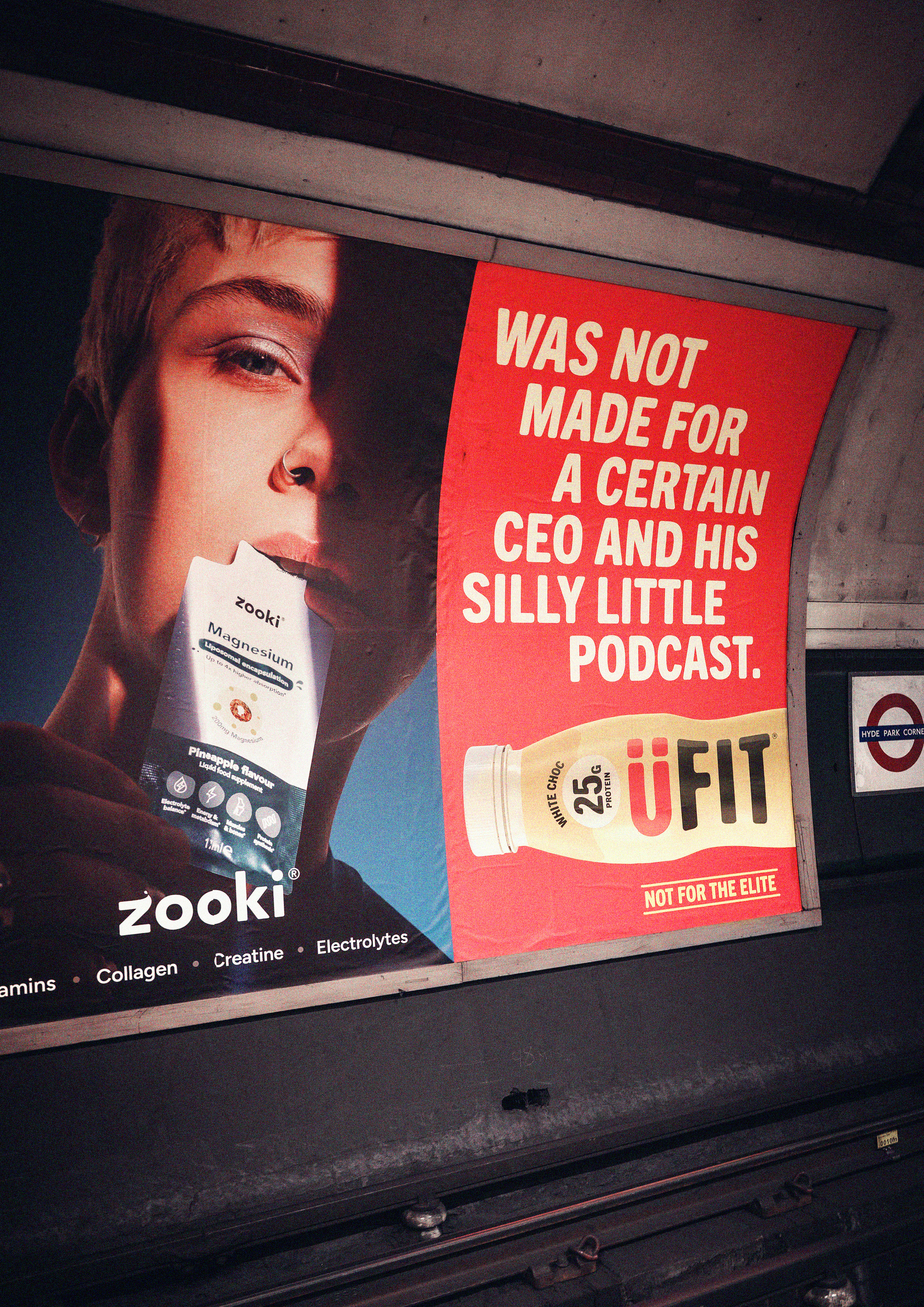
The deeper strategy: expanding the addressable audience
Many wellness brands unintentionally exclude mainstream consumers through imagery and language that imply perfection, discipline, and “belonging.” ÜFIT flips that by offering permission: protein is for ordinary routines, ordinary bodies, and ordinary days. That’s not just inclusive—it’s commercially smart because it widens the category’s addressable market.
How brands can apply this (OOH checklist)
1) Identify the category cliché you want to break
What does your category over-assume about its customer? Name it, then put the counter-message in bold. If the category says “for high performers,” your stance might be “for real life.”
2) Make the message readable at speed
- Use fewer words: one claim, not a manifesto.
- Build for contrast: clear type, strong separation, fast comprehension.
- One emotion: permission, confidence, relief, belonging—pick one.
3) Extend the stance across formats
Use each format for what it does best:
- Billboards: fame and broad cultural presence
- Street furniture: frequency and neighborhood reinforcement
- Transit: repetition and routine touchpoints
- DOOH: controlled variants that keep the core idea consistent
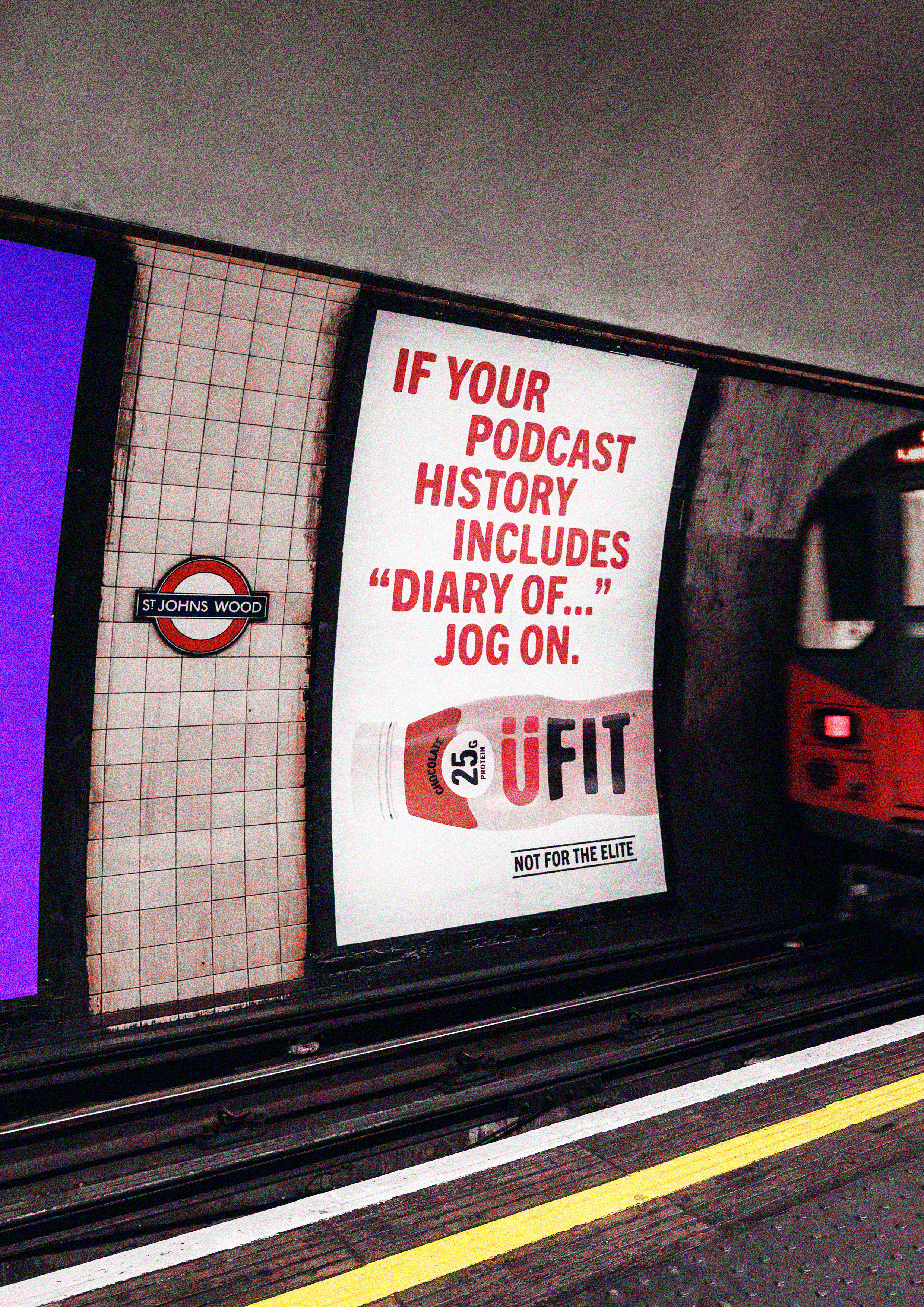
Key takeaways
- Outdoor is the best medium for “permission” messaging because it’s public and unavoidable.
- Strong OOH positioning expands audiences by rewriting who the product is for.
- Keep it simple, then scale it across formats with a consistent stance.
Plan your OOH campaign
Get recommendations for markets, formats and availability based on your campaign goals.
Request a media plan
Comments
Share your take. Keep it constructive and specific.