
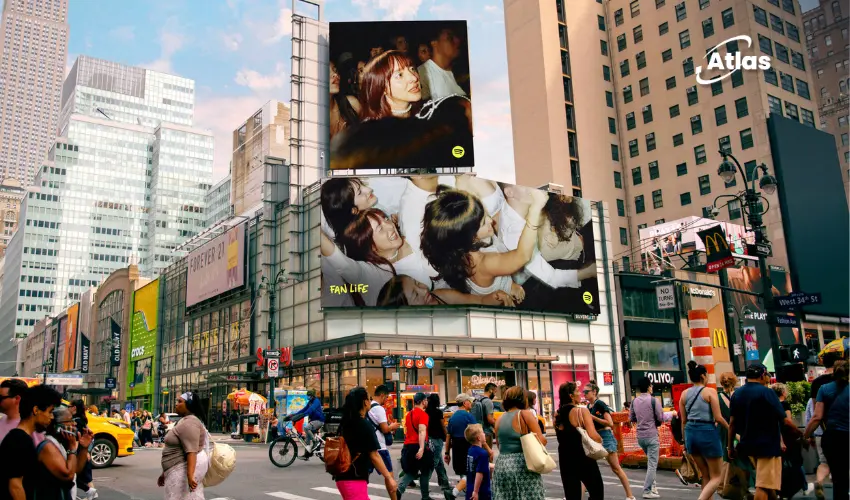
Spotify Fan Life Returns With a Global Celebration of Concert Rituals
Fandom does not begin when an artist walks onto the stage.
It starts hours, days or sometimes weeks earlier through outfits, group chats, playlists, makeup, inside jokes and traditions shared between fans.
Spotify is placing those rituals at the center of the third installment of its global Fan Life campaign.
The latest work explores the anticipation leading up to a concert and the collective moments inside the crowd that turn attending a show into something more meaningful than simply hearing music performed live.
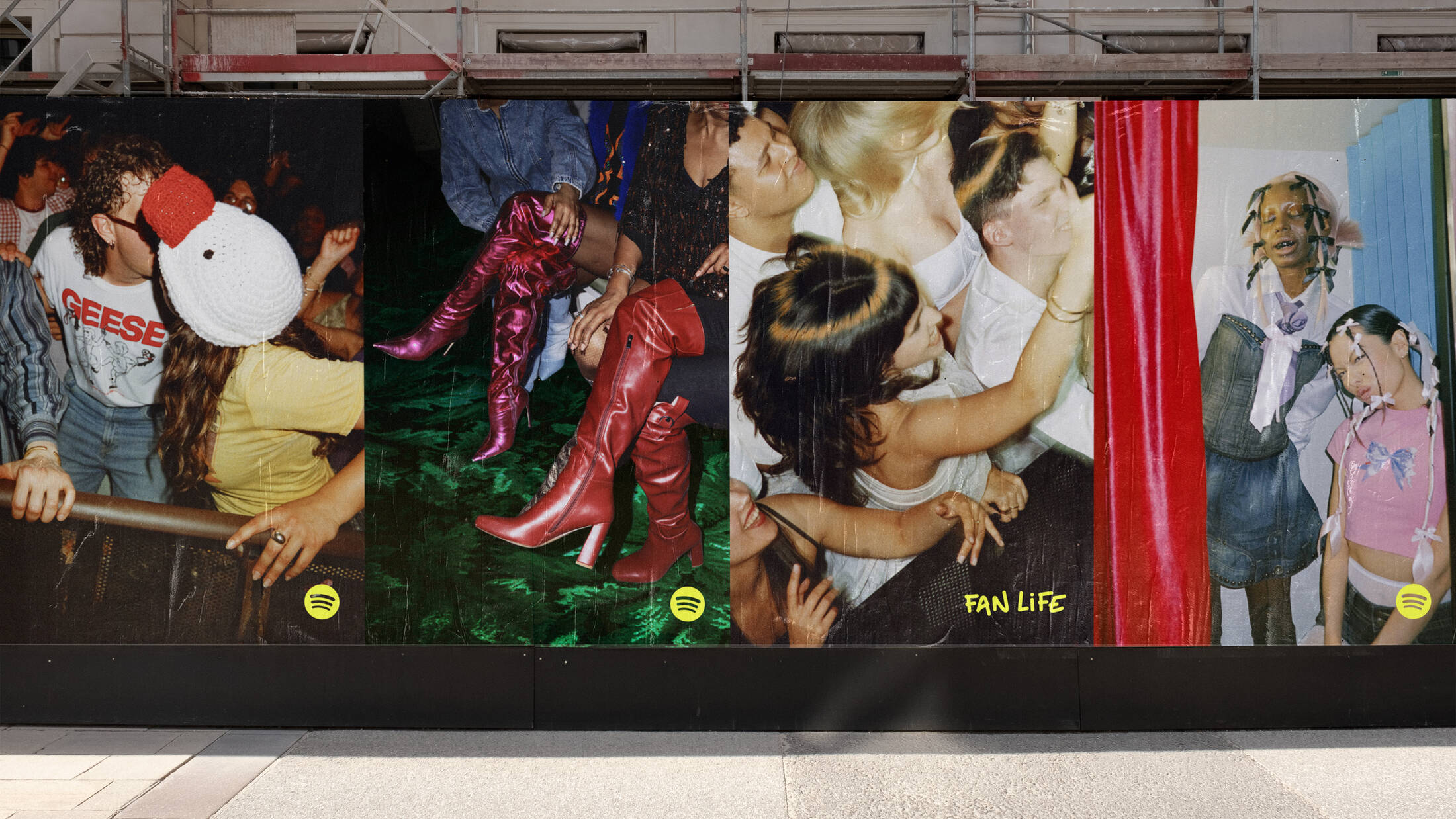
Celebrating the rituals before the show
The campaign focuses on the behaviors that help different fandoms express their identities.
These rituals may include getting ready together, recreating an artist’s signature style, choosing a specific outfit or adopting visual details understood only by other members of the community.
By using real fans rather than conventional models, Spotify gives the campaign a level of authenticity that reflects how fandom actually looks and feels.
Distinct fandoms require distinct visual languages
The campaign features communities connected to A$AP Rocky, Geese, ROSALÍA, Sailorr, Mary J. Blige and Zara Larsson.
Each fandom is represented through its own visual codes and concert traditions.
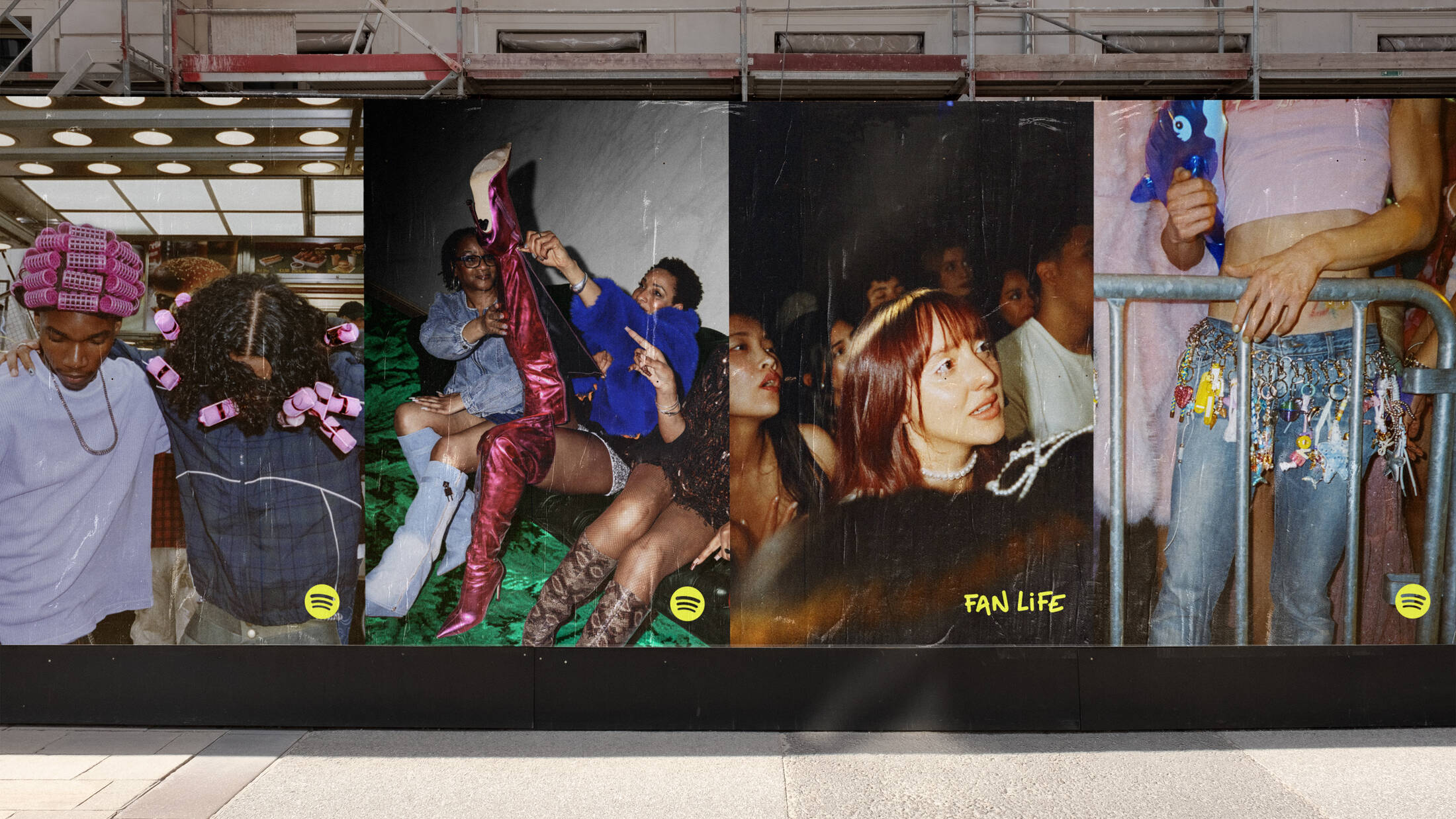
- Sailorr fans: Friends prepare for the show with black teeth and baby bows placed in their hair.
- Zara Larsson fans: Audiences embrace the energy, fashion and maximalism associated with the early 2000s.
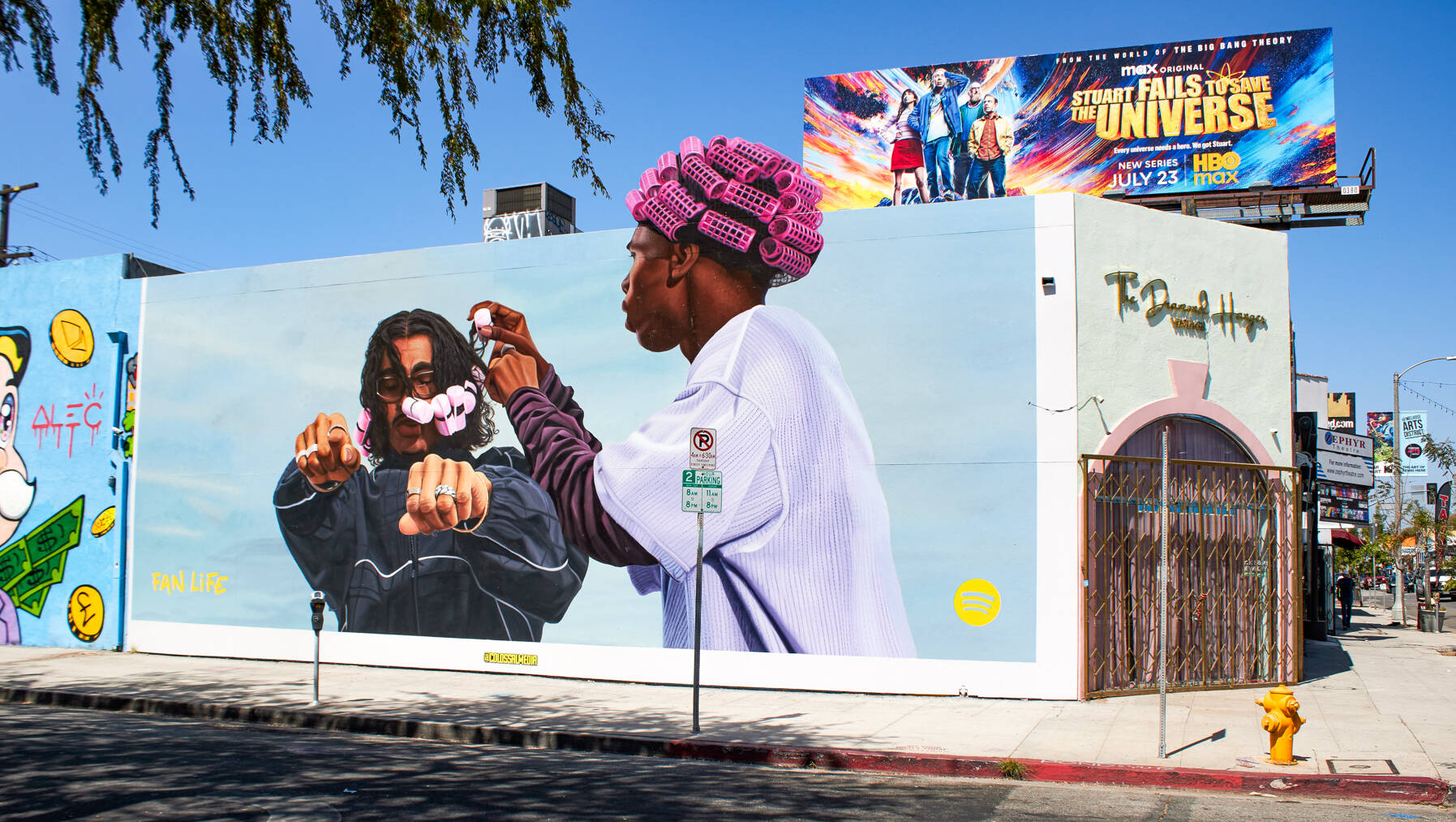
- A$AP Rocky fans: Pink hair rollers reference one of the artist’s recognizable style signatures.
These details prevent the campaign from presenting music fans as one generic audience.
Instead, Spotify shows how each community develops its own rituals, aesthetics and forms of participation.
Why real fans matter
Music campaigns often place the artist at the center and treat fans as an anonymous crowd.
Fan Life reverses that hierarchy.
The artists provide the cultural foundation, but the fans become the main characters of the campaign.
The imagery and short films focus on how people prepare, dress, move and connect with each other before and during live performances.
This approach makes the campaign feel observational rather than manufactured. The creative reflects behaviors that already exist within fan communities instead of inventing a new trend for advertising purposes.
From social content to city streets
Beginning July 27, the campaign is rolling out through paid social media, billboards and wild postings across several major United States cities.
Initial markets include:
- New York
- Los Angeles
- Chicago
- Miami
- Atlanta
Additional launches will take the campaign into Canada, Brazil and Mexico.
This combination of digital and physical media allows Spotify to reach fandoms in two connected environments: the online spaces where fans communicate and the public spaces where they gather, travel and attend events.
Why wild postings fit fan culture
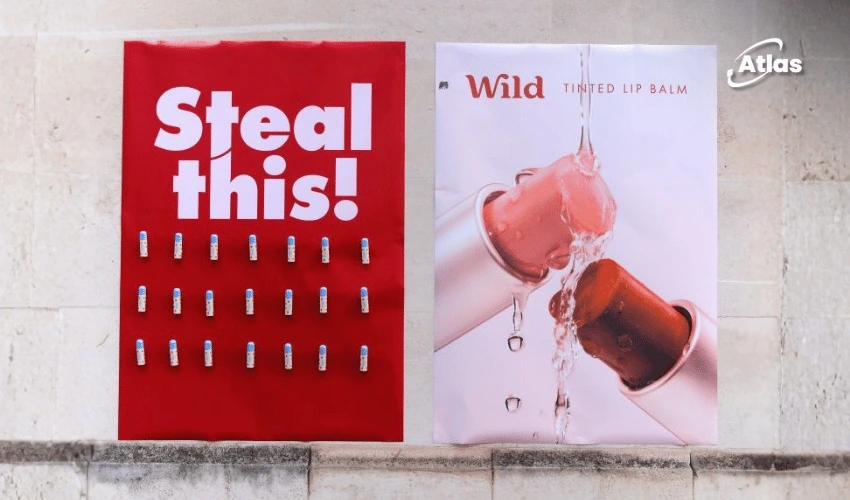
Wild postings bring a layered, street-level quality to the campaign.
The format is closely associated with music promotion, nightlife, fashion and urban culture, making it a natural choice for a platform focused on live music communities.
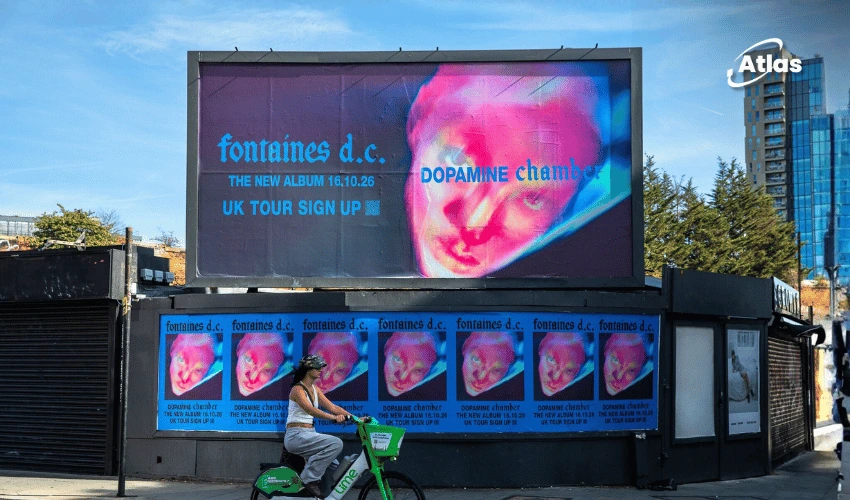
Repeated posters can make an artist or fandom feel dominant within a neighborhood, while the informal visual language helps the campaign feel closer to fan-made promotion than polished corporate advertising.
- Repetition builds recognition: Multiple posters allow the campaign to create visual frequency.
- Street placement adds cultural relevance: The work appears within neighborhoods where music and nightlife already shape local identity.
- Photography becomes highly visible: Portraits of real fans can create emotional impact at pedestrian level.
- The format supports variation: Different artists and fandoms can appear together without losing campaign consistency.
Billboards give fandom cultural scale
While wild postings create intimacy and repetition, large-format billboards give the campaign a more public and celebratory presence.
Fan rituals that might normally happen inside bedrooms, bathrooms, apartments or private group chats are enlarged and displayed across the city.
This shift gives those behaviors cultural importance.
Spotify is not presenting fandom as a niche interest. It is showing it as a visible force that influences fashion, language, community and identity.
A global platform with local fandoms
The latest Fan Life installment will continue through September and expand beyond the main global artist lineup.
Spotify will also feature fandoms connected to artists with strong relevance in individual markets.
- Germany: AYLIVA and Ikkimel.
- Canada: Carly Rae Jepsen.
- Brazil: João Gomes, Calcinha Preta and Matuê.
- Mexico: Chuyin, El Bogueto and Bratty.
- United Kingdom: EsDeeKid.
- France: PLK, Helena, Jolagreen23 and Theodora.
This regional approach allows the global platform to remain culturally specific.
The campaign can maintain one central idea while featuring artists, styles and fan behaviors that feel genuinely relevant within each market.
Spotify as a place for connection
At its core, Fan Life reinforces Spotify’s role beyond music streaming.
The platform helps listeners discover artists, build playlists, follow releases and connect with the wider communities that form around music.
The campaign presents Spotify as part of the relationship between artists and fans, rather than only as the technology used to play a song.
That positioning is important in a competitive streaming category where access to music alone is difficult to own as a distinctive benefit.
By focusing on fandom, Spotify connects its service with identity, belonging and shared cultural experiences.
From listening to participation
Fan Life demonstrates that listening is only one part of being a fan.
People also dress, travel, create, collect, imitate, dance and form relationships around the artists they love.
The live concert becomes the place where many of those behaviors come together.
By documenting the full journey, from getting ready to joining the crowd, Spotify gives the campaign a richer emotional story than a traditional artist promotion.
Bottom line
Spotify’s third Fan Life campaign turns the rituals of live music fandom into a global outdoor and social platform.
Through real fans, distinctive styling and locally relevant artist communities, the campaign captures the behaviors that make each fandom recognizable.
Billboards give those communities cultural scale, while wild postings place them within street-level environments historically connected to music discovery and promotion.
The result reinforces Spotify’s role as more than a listening platform. It presents the brand as a place where fans discover artists, express their identities and become part of the communities that shape their lives.
Plan your OOH campaign
Get recommendations for markets, formats and availability based on your campaign goals.
Request a media plan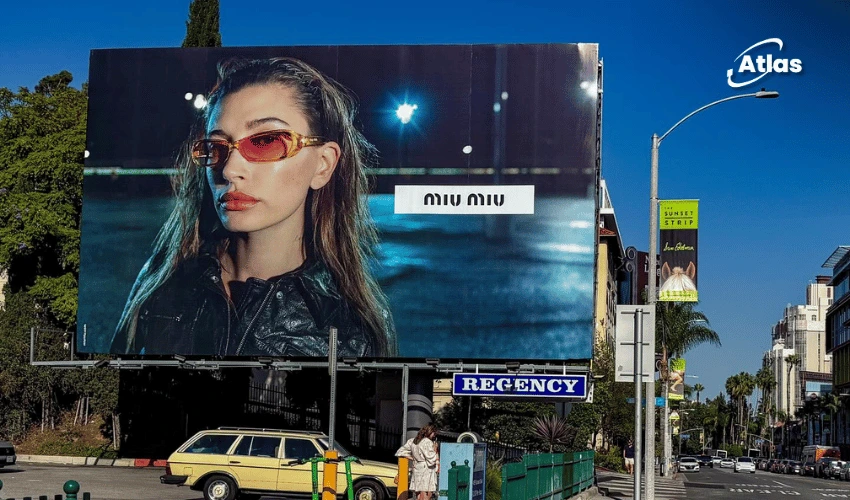
Comments
Share your take. Keep it constructive and specific.