

Quick answer: San Antonio’s two-year Digital Media & Arts pilot (up to 10 digital signs) is drawing strong interest, with 13 proposals reported—showing how U.S. cities are testing “entertainment district” digital models tied to governance, public art, and revenue mechanics. (Sources: City of San Antonio PDF, KSAT, San Antonio Report)
A city-controlled digital model is taking shape
San Antonio’s pilot is less about “adding more screens” and more about testing a new operating model: controlled, district-style digital that behaves like a city-approved media layer. Think fewer permits-by-default, more rules-by-design—closer to an entertainment district playbook than classic roadside inventory.
The pilot structure (scarcity is the feature)
City documentation outlines a two-year program with a hard cap of up to 10 signs citywide, plus specific requirements, guidelines, and a defined rollout window. That cap is the key constraint—because it turns approvals into a limited resource.
Why the proposal volume matters
Thirteen proposals competing for a maximum of ten slots is exactly how premium inventory gets priced and protected. When multiple operators chase limited approvals, you typically see tighter design standards, stronger negotiation around placements, and more emphasis on compliance and long-term viability.
In other words: the competition itself is part of the value creation. It’s how a city signals, “If you want in, you have to meet the bar.”
What this signals for 2026 DOOH in U.S. metros
Expect more cities to explore similar frameworks, including:
- District logic (defined zones where digital is allowed under stricter rules)
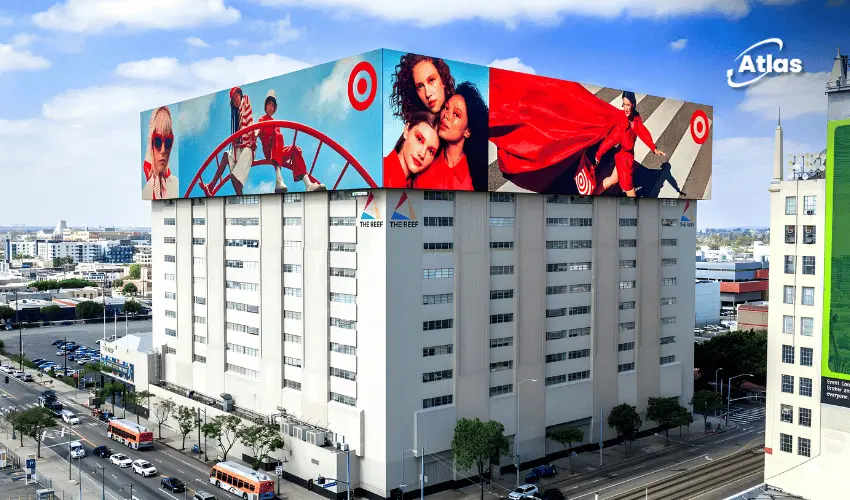
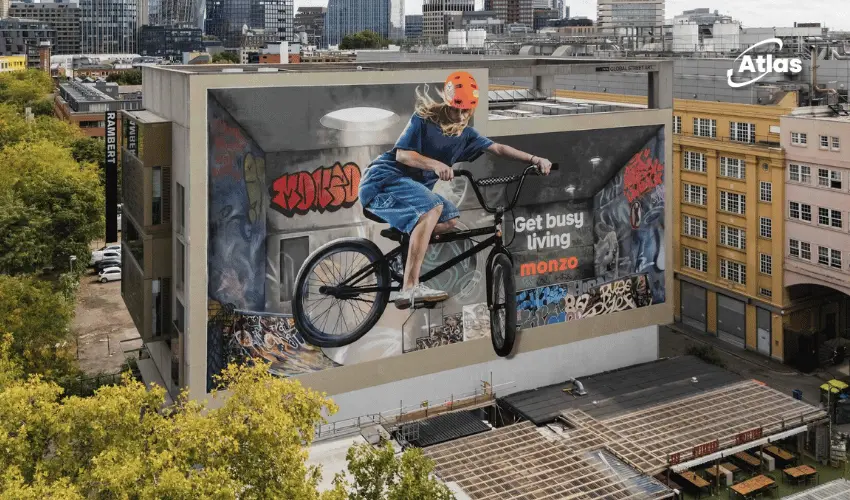
- Façade-based large-format digital that behaves like urban media, not highway signage
- Negotiated components (revenue sharing, public art/public-benefit tradeoffs)
- Stricter design review and governance processes as a prerequisite for longevity
Plan your OOH campaign
Get recommendations for markets, formats and availability based on your campaign goals.
Request a media plan

Comments
Share your take. Keep it constructive and specific.