
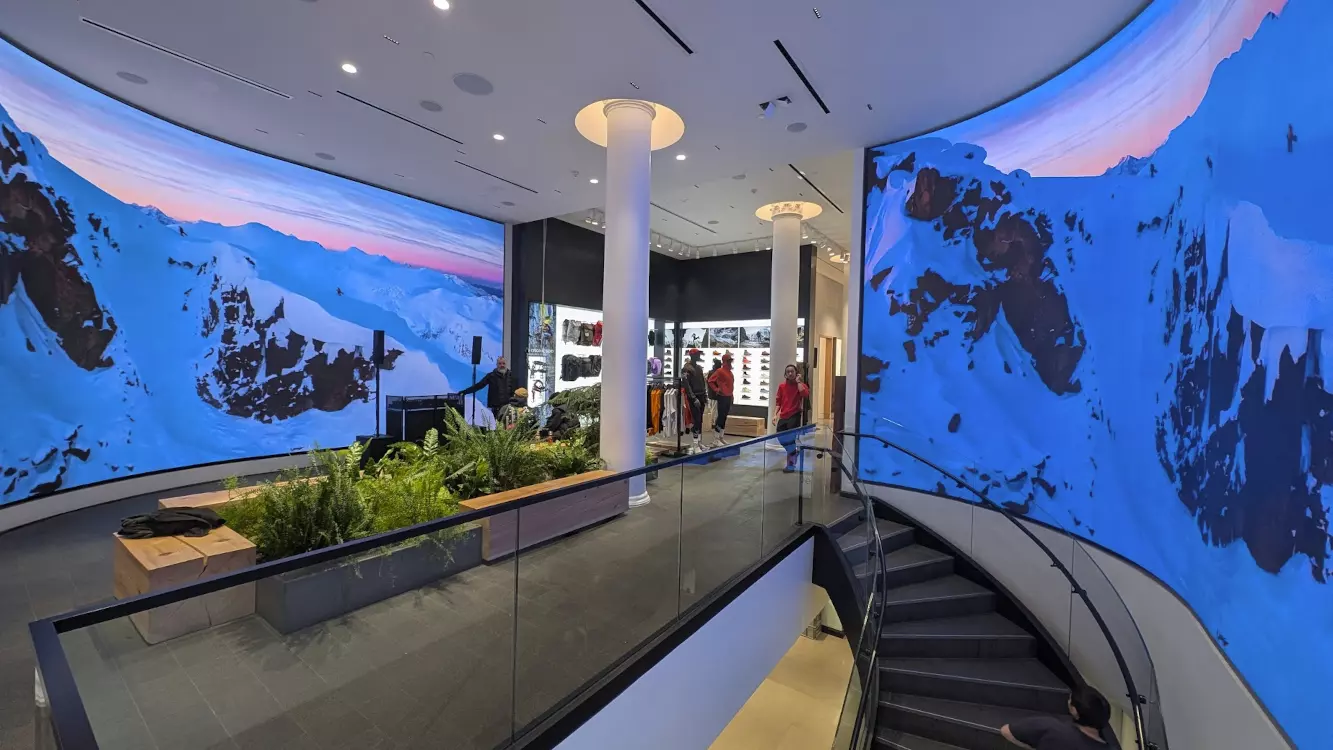
The big shift: pDOOH becomes less “special” and more “standard.”
A late-2025 theme heading into 2026 is that programmatic DOOH is transitioning from experimental to operational—less friction, more repeatable playbooks. One outlook frames this as an “amplification era,” driven by AI and consolidated supply-side platforms that make multi-market buying far simpler.
In early 2026, industry commentary has echoed the same direction: programmatic DOOH is moving from “nice-to-have” to baseline for premium campaigns—especially where planners need scale, speed, and integration with broader omnichannel reporting.
What the “amplification era” looks like in practice
1) Faster multi-market deployment
The operational pain used to be:
- inconsistent specs
- fragmented inventory access
- manual trafficking
- delayed reporting
The 2026 promise looks like:
- fewer handoffs
- scalable market launches
- standard workflows that resemble digital channels
2) More consolidation = fewer pipes to manage
2025 deal coverage highlighted DOOH consolidation—an indicator that platforms want more end-to-end capability across planning, buying, and measurement. For planners, fewer “pipes” typically means fewer operational surprises and cleaner standardization across markets.
3) AI helps execution, not just targeting
AI’s near-term value in DOOH isn’t “magic targeting.” It’s operational power:
- creative versioning at scale
- schedule optimization
- anomaly detection in delivery reporting
- faster decision loops for planners
Broader digital signage outlook reporting is explicitly positioning AI + DOOH + retail media as a momentum stack entering 2026—helpful context if your plan includes commerce, location-driven demand, or omnichannel measurement.
How to plan pDOOH like a pro in 2026
Start with reach goals, then layer precision
- Start with coverage and incremental reach targets
- Use dayparting and context triggers only where they truly matter
- Keep execution simple enough to scale beyond one market
Pre-define what gets optimized—and what stays fixed
- Optimize: screens, dayparts, creative versions
- Fixed: brand-safety inventory tiers, frequency caps, guardrails
The KPI framework that wins budget
- Top: incremental reach + attention proxies
- Middle: search lift, site sessions, store visits
- Bottom: conversions where feasible (apps, lead-gen, retail sales lift)
Comments
What’s your take—does pDOOH feel “standard” for your 2026 plans yet? Where do you still see friction?