

Quick answer: In 2026, advertising is becoming more automated—AI-assisted creative, automated buying, and endless optimization. OOH matters because it stays human: it demands clarity, shows up in shared public life, and connects awareness to action at real-world decision points.
When advertising becomes more automated, human connection matters more
Marketers are living through a major shift: AI-assisted campaigns, automated media buying, and constant competition for attention. The simple truth is that as ads become easier to generate and distribute, human connection becomes more valuable—not less. That’s where OOH earns its place in 2026: it’s public, physical, and culturally visible.
OOH’s constraint is the advantage: “one idea, one moment”
OOH doesn’t give you infinite versions, endless scrolling, autoplay, or a feed that forgives weak creative. You get a moment in the physical world. That constraint forces discipline—and that’s why the best billboards feel iconic. They’re distilled. They’re clear. They land fast.
- Clarity wins: the message must be understood instantly, at speed.
- Distillation creates memorability: fewer words, stronger idea, higher recall.
- Public visibility raises standards: people judge it in the real world, not in a dashboard.
OOH shows up at decision points (and that’s strategic)
A media point many clients still overlook: OOH naturally appears at decision points—on the way to stores, events, restaurants, airports, and entertainment districts. That makes it compatible with performance goals without pretending it’s a click-based medium. In practice, OOH becomes the bridge between awareness and action.
How to connect OOH to measurable outcomes (without forcing it)
- Search/social retargeting: OOH drives curiosity; digital captures intent later.
- Maps and listings: pair OOH corridors with Google/Apple Maps presence and location extensions.
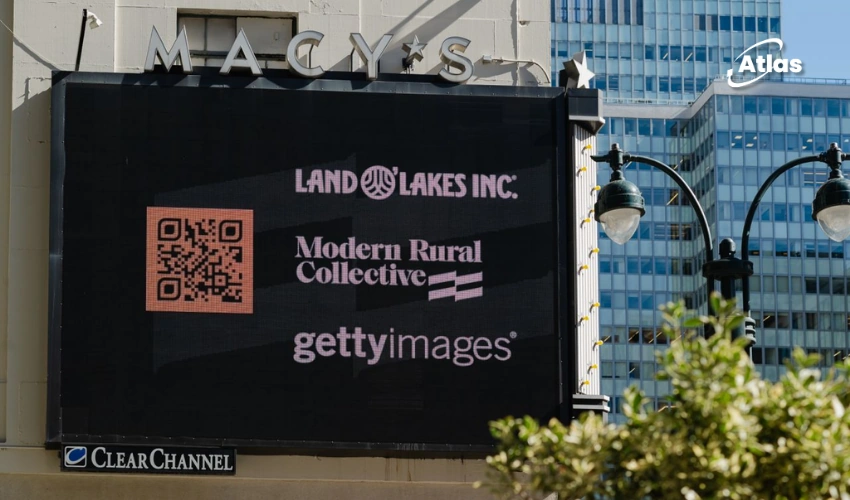
- QR/NFC done right: make it optional—a bonus path, not the only path.
- Lift measurement: track visitation, brand search lift, or incremental reach depending on the goal.
The best 2026 takeaway for U.S. brands and agencies: messaging discipline
If your pitch still starts with “we have X number of faces,” you’re starting too low. Start with what OOH does that the internet can’t: shared presence, public credibility, and creative that becomes part of a place.
Upgrade your proposal structure
- Narrative: what cultural or commute moment you’re owning (what the audience feels/does there)
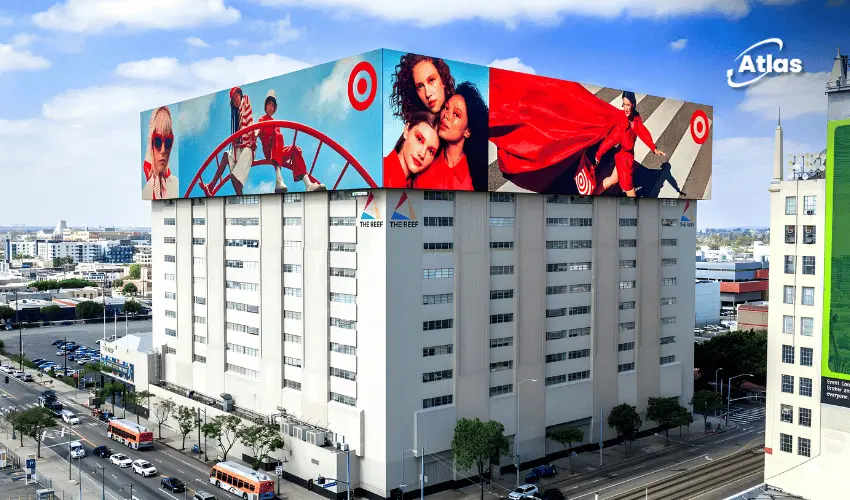
- Canvas: which environments support it (highway, transit, street-level, retail)
- Proof: measurement plan, audience logic, and lift expectations
- Acceleration: how digital + retail channels amplify the OOH impact
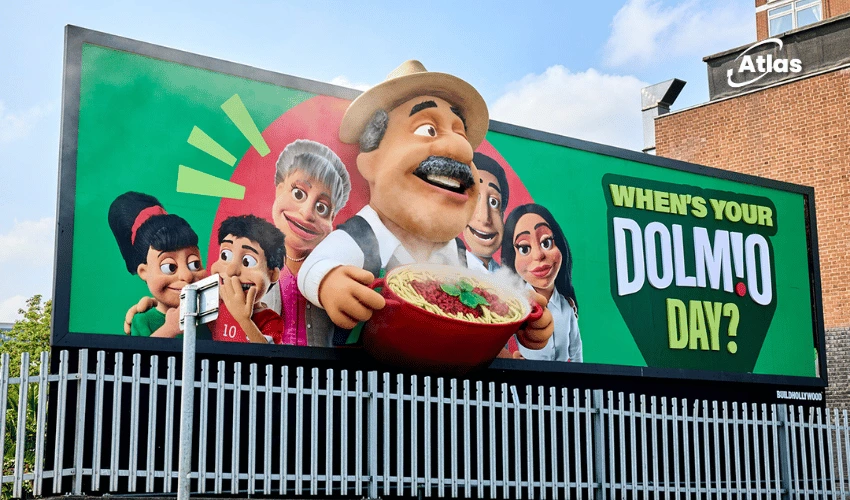
What “Human Medium” looks like in creative
- Place-aware: the message feels native to the neighborhood, commute, or venue.
- Simple enough to remember: one idea people can repeat and share.
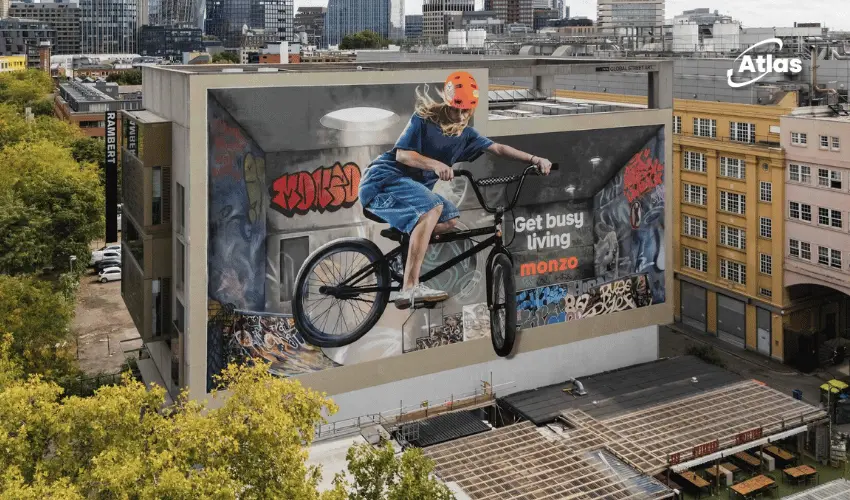
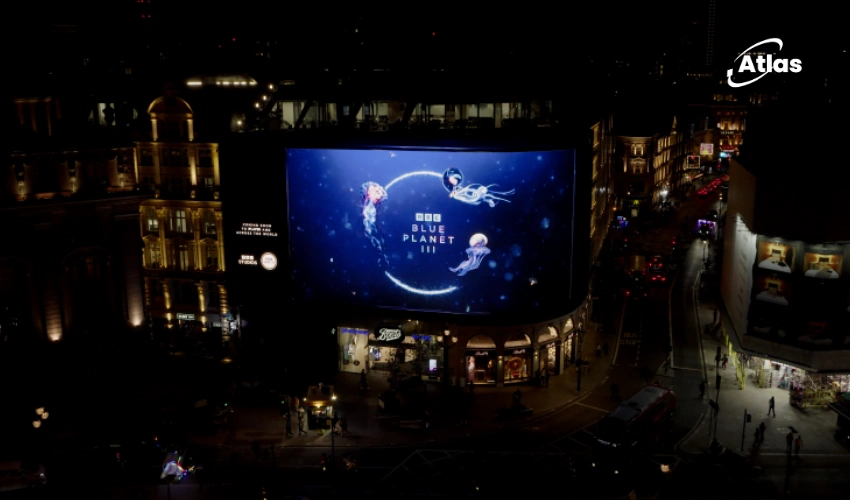
- Confident in public: it looks good photographed and talked about—because it will be.
Plan your OOH campaign
Get recommendations for markets, formats and availability based on your campaign goals.
Request a media plan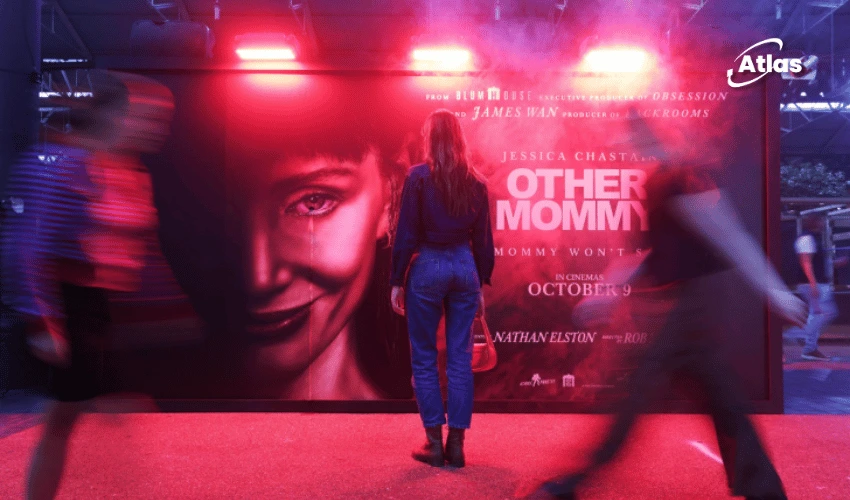
Comments
Share your take. Keep it constructive and specific.