
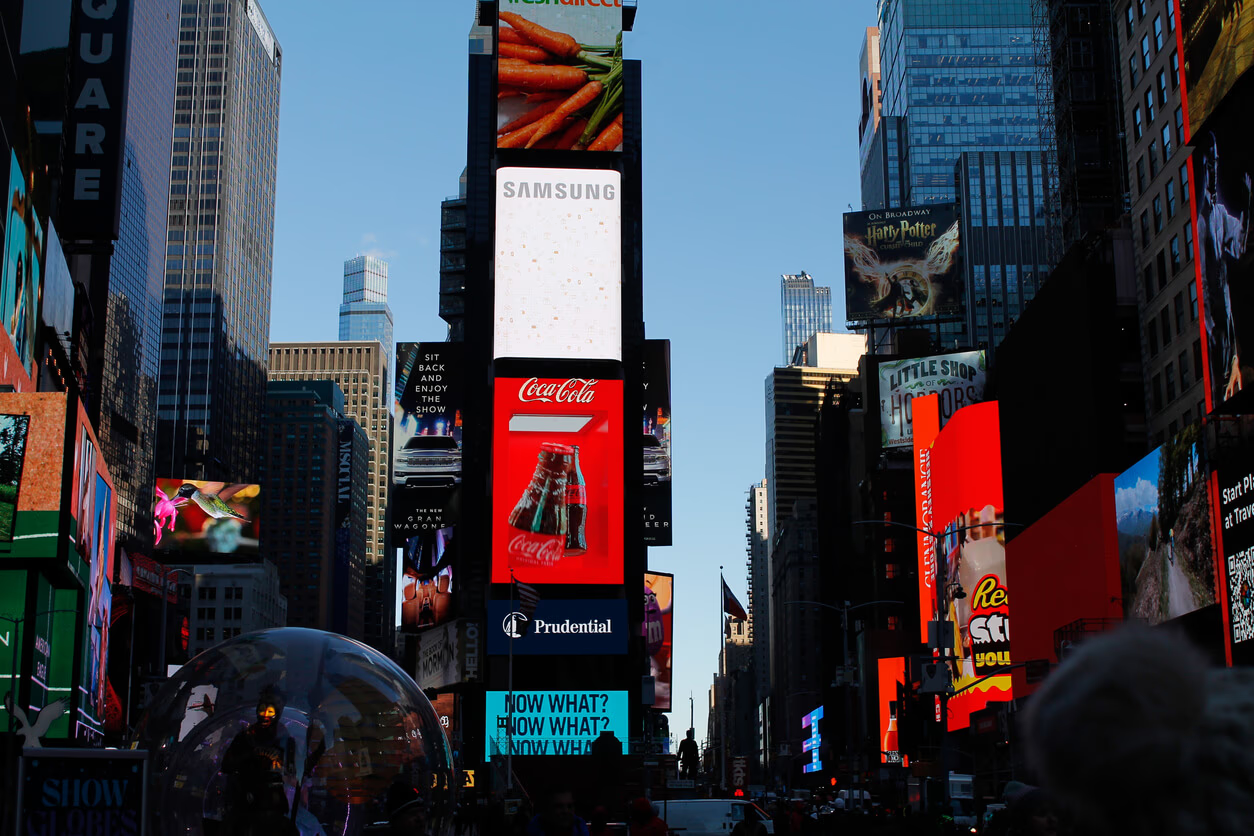
Quick answer: OOH is heading into 2026 with a clear direction: it’s becoming smarter, more automated, more measurable, and more connected to real-world outcomes. The five shifts to plan around are: dynamic creative, automation/programmatic, retail media near purchase, audience-first planning + measurement, and tentpole moments.
OOH in 2026: why this year feels different
OOH has always been great at scale and presence. What changes in 2026 is how often the channel can deliver speed, flexibility, and proof—without losing the benefits that made it valuable in the first place. More digital inventory, better buying workflows, and stronger measurement expectations are pushing OOH from “nice reach” into “strategic backbone.”
The 5 shifts shaping OOH in 2026
1) Dynamic creative becomes strategy (not a gimmick)
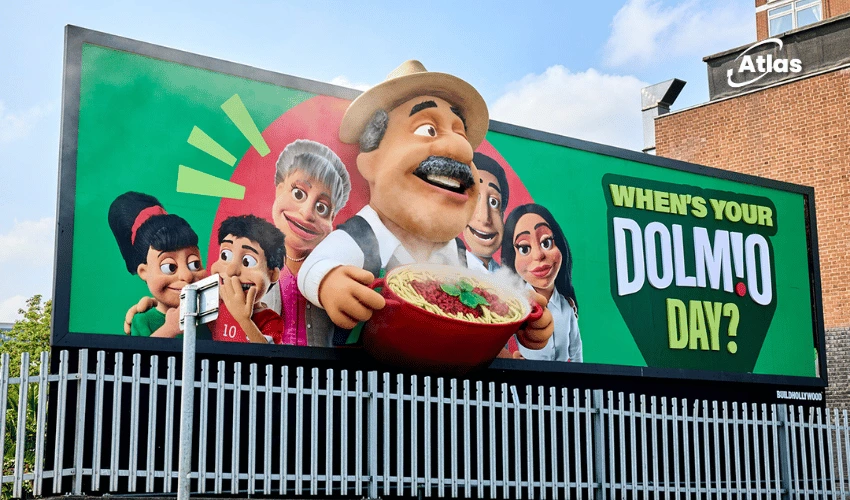
Dynamic Creative Optimization (DCO) in DOOH is moving from “cool experiments” to a repeatable operating model. Instead of one creative for everyone, brands run a single campaign system with multiple approved variants, triggered by real-world signals like location, time of day, weather, or even product availability.
- What it means: relevance becomes the efficiency lever—better context can outperform higher spend.
- Where it wins: commuting patterns, retail corridors, weather-sensitive categories, and limited drops.
- What to watch: approvals and workflows—DCO works best when templates and rules are locked early.
2) Automation unlocks more ways to buy OOH
Buying OOH is becoming more automated—especially for digital and programmatic inventory. The big shift isn’t just real-time bidding; it’s the rise of automated, in-advance and programmatic guaranteed-style workflows that bring OOH closer to how teams already manage CTV, video, and mobile.
- What it means: you can combine certainty (locking premium inventory early) with modern platform execution.
- How to use it: run always-on coverage with “burst windows” for peaks, launches, and promotions.
- Planning tip: decide upfront what should be guaranteed vs flexible (and don’t mix the goals).
3) Retail media pushes OOH closer to the point of purchase
Retail environments are evolving into full media ecosystems—screens at entrances, aisles, pharmacies, and checkout zones. In 2026, in-store digital networks expand, and the value increases when brands can connect exposure to purchase behavior using retailer data.
- What it means: OOH can influence decisions when intent is highest—not just “on the way there.”
- How to use it: pair in-store screens with nearby roadside/transit to create a “path-to-purchase corridor.”
- Creative tip: keep it simple—availability, value, and clear next action (what to do now).
4) Audience-first planning + measurement reshape the medium
The planning center shifts from “where are the screens?” to “what moments and mindsets do we want?” Brands increasingly bring first-party data into DOOH planning and expect measurement that reflects behavior: dwell, visitation, interaction, and incremental lift—beyond raw reach.
- What it means: OOH shows up earlier in omnichannel planning because audiences can be defined consistently.
- How to use it: choose 1–2 outcome metrics per campaign (visitation lift, store traffic, app events, etc.).
- Measurement tip: align KPIs with your format—don’t judge static like performance media, but don’t treat DOOH like “unmeasurable” either.
5) Tentpole moments become the planning backbone
Major cultural events aren’t just single-day activations anymore. Brands plan around longer arcs: build-up, peak moments, and post-event momentum. That means premium inventory near transit hubs, fan zones, retail corridors, and entertainment districts gets secured earlier—because scarcity hits fast.
- What it means: tentpoles force earlier commitments, tighter creative readiness, and smarter pacing.
- How to use it: plan a three-phase approach: tease → dominate → sustain.
- Operations tip: lock high-impact placements first, then use flexible DOOH/programmatic to fill the gaps.
How to turn these trends into a 2026 OOH playbook
- Define the role: Is OOH building memory, driving foot traffic, or powering tentpole dominance?
- Build a “static + digital” spine: static for presence, digital for flexibility, programmatic for bursts.
- Make creative modular: approved templates + controlled variations for speed.
- Plan around moments: commute, weekends, weather, launches, events—then match formats to those moments.
- Measure like a grown-up channel: pick a primary outcome KPI and a secondary brand KPI—then optimize.
Plan your OOH campaign
Get recommendations for markets, formats and availability based on your campaign goals.
Request a media plan
Comments
Share your take. Keep it constructive and specific.