

OOH Hit a Record $9.46B in 2025: What It Means for 2026 Media Plans
Out of home entered 2026 with an unusually clear signal from the market: advertisers kept spending. OAAA reported that U.S. OOH revenue reached $9.46 billion in 2025, up 3.6% year over year, and that the channel extended its growth streak to 19 consecutive quarters. Digital out of home accounted for 36.3% of total revenue and grew 10.5% year over year, while transit was the fastest-growing segment at 9.2%.
For planners, the useful takeaway is not simply "OOH is back." The better takeaway is that OOH is being bought for more reasons than broad awareness. Large technology brands, service brands, financial institutions, legal services, travel, QSR, healthcare, and local government are all using the channel because it creates visible demand in the real world and then supports measurable downstream behavior.
What changed
The 2025 revenue data points to three changes that matter for 2026 plans.
- DOOH is now a core planning lane: With more than a third of OOH revenue coming from digital formats, buyers can no longer treat digital screens as a bonus layer after static boards are selected.
- Transit is becoming a stronger growth environment: As commuting, travel, events, and urban movement normalize into new patterns, transit placements are useful for frequency, proximity, and local market dominance.
- OOH is attracting performance-minded categories: The growth of banking, software, telecom, legal, and service brands shows that OOH is being used to create demand, not only to decorate markets.
The planning implication: build a market sequence, not a media list
Many OOH plans still start as a list of formats: billboards, street furniture, transit, airport, retail, and place-based screens. That is administratively convenient, but it does not create a strong media argument. A better 2026 plan starts with a market sequence.
Decide where the brand needs to win first, where it needs visible credibility, and where the campaign should expand after the first wave. Then map inventory by role:
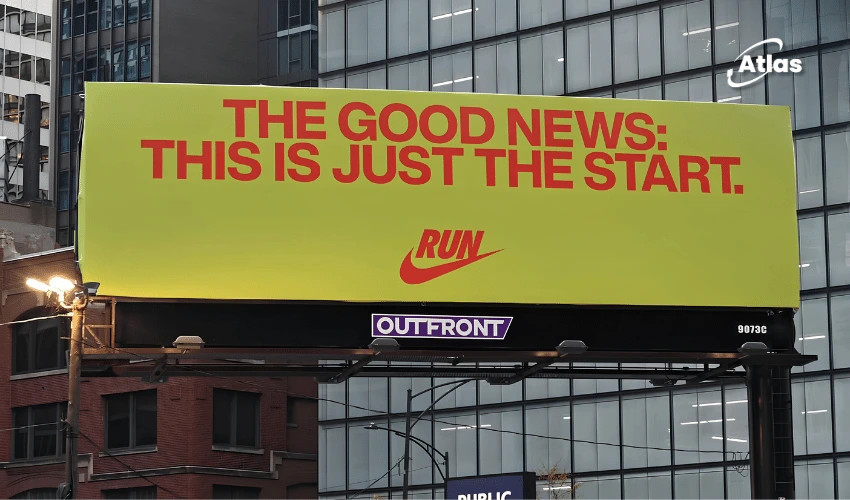
- Anchor placements: high-impact units that make the campaign feel unavoidable.
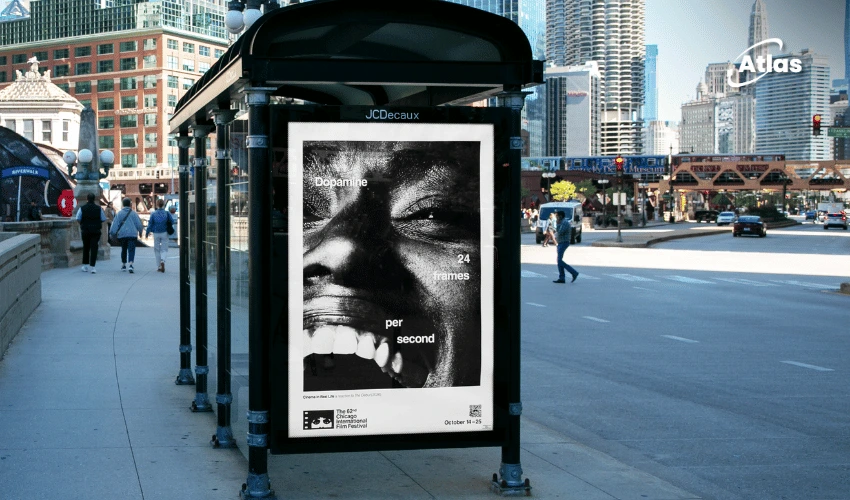
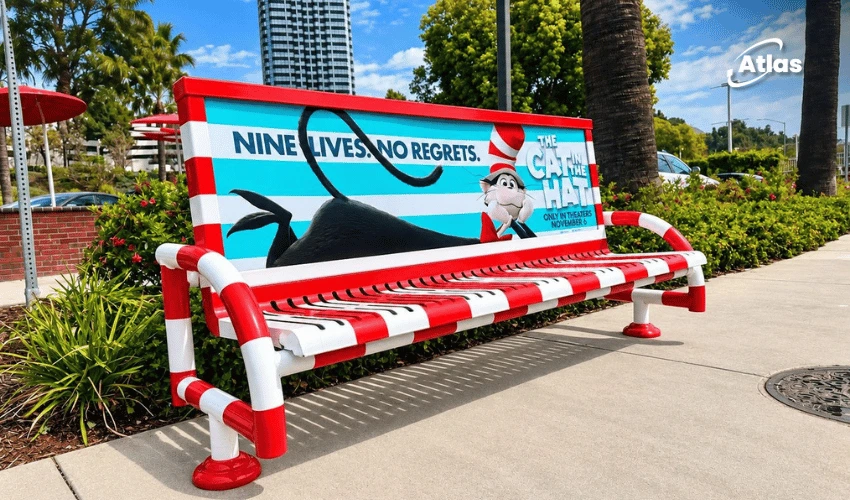
- Frequency placements: transit, street furniture, and neighborhood screens that repeat the message near daily routines.
- Action placements: retail, airport, event, and proximity-based screens that sit closer to a purchase, visit, app download, or search moment.
This structure turns OOH from a channel buy into a market-entry system. It also makes budget conversations easier because each format has a job.
Why DOOH deserves a separate creative system
DOOH growth is tempting because it adds flexibility: dayparts, contextual triggers, multiple messages, programmatic access, and faster refresh cycles. But those advantages only show up when the creative is built for digital screens from the beginning.
A static board can carry a durable brand idea for weeks. A digital screen can carry a sequence: morning utility, midday reminder, event-triggered relevance, evening conversion prompt. The mistake is taking one static billboard file and resizing it into a DOOH loop. That wastes the medium.
Budget guidance for 2026
Record revenue does not mean every advertiser should simply spend more. It means the channel is competitive enough that discipline matters. For 2026, build the budget in three layers:
- Base coverage: enough inventory to make the brand visible in priority corridors.
- Flex layer: DOOH budget that can respond to events, weather, promotions, travel peaks, or market performance.
- Measurement and capture: landing pages, search coverage, QR or vanity URL logic where appropriate, footfall or brand/search lift, and reporting.
The third layer is where many plans underfund. OOH creates attention in public, but the brand still needs a capture path. If people search after seeing the campaign and the brand does not own the query, the plan leaks demand.
How Atlas OOH would turn this into a brief
A strong 2026 OOH brief should answer six questions before a proposal is requested:
- Which markets need dominance, and which only need presence?
- Which audience moments matter: commute, retail, travel, nightlife, campus, office, healthcare, or event movement?
- Which formats create trust, which create repetition, and which create action?
- What is the primary KPI: awareness, search lift, store visits, qualified leads, app activity, or sales support?
- What creative variants are needed by format and daypart?
- What digital capture layer will convert real-world attention into measurable intent?
Bottom line
The record 2025 revenue figure confirms that OOH has moved deeper into the modern media mix. The brands that benefit most in 2026 will not be the ones that buy the most screens. They will be the ones that assign every screen a role, connect OOH to the rest of the funnel, and measure the lift that happens after public attention turns into action.
Plan your OOH campaign
Get recommendations for markets, formats and availability based on your campaign goals.
Request a media plan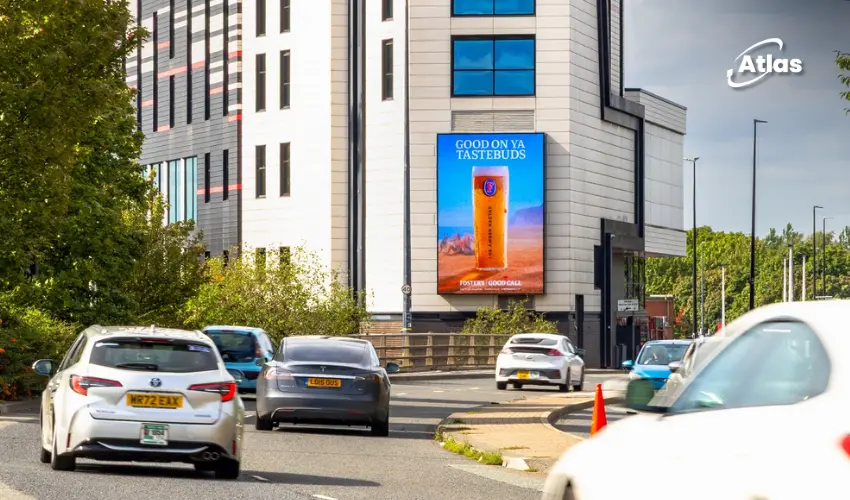
Comments
Share your take. Keep it constructive and specific.