
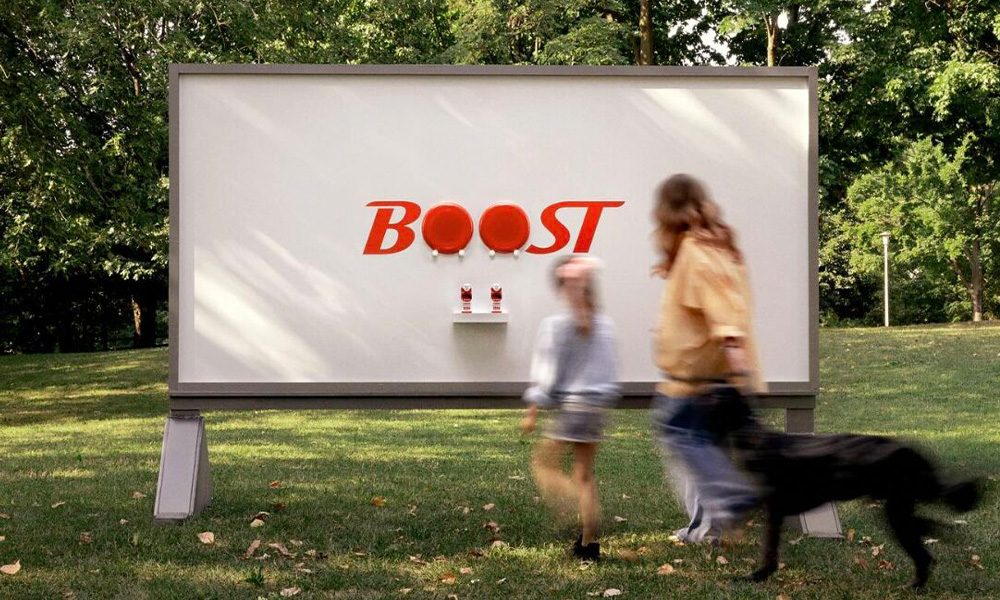
Quick answer: Nestlé Boost’s campaign turns out-of-home into an interactive workout-style experience—showing how brands can convert outdoor from passive viewing into physical participation, longer attention, and naturally shareable moments.
What happened
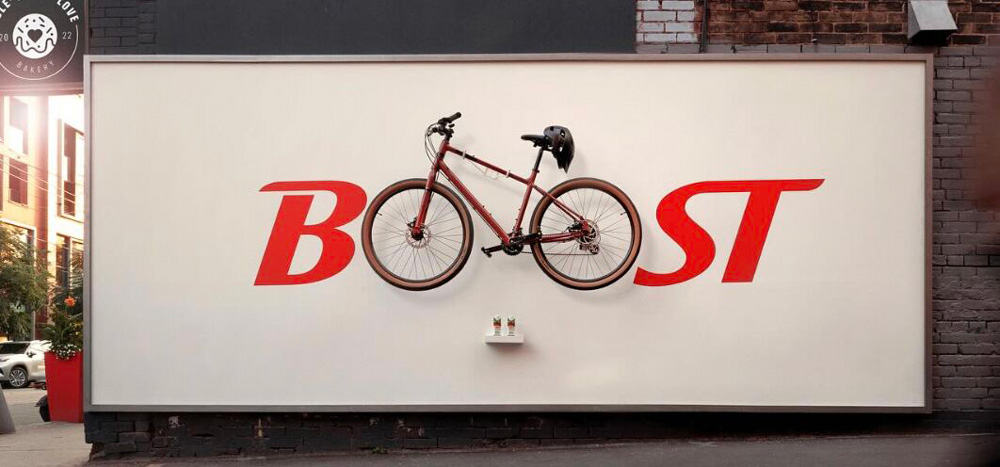
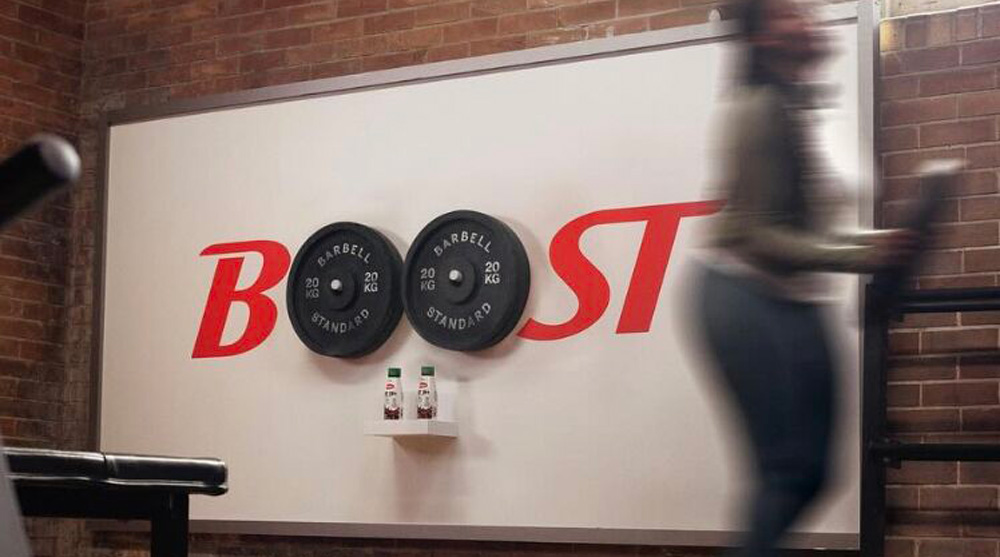
Nestlé’s Boost campaign transformed traditional out-of-home into an interactive workout-style experience—positioning OOH as a physical engagement platform rather than a passive impressions channel. The idea is simple and powerful: when people participate, they don’t just notice the message—they remember it.
Why interactive OOH is winning again
OOH is strongest when it creates participation
In an attention economy flooded with content, people remember what they do—not only what they see. Interactive OOH answers that problem directly: it turns advertising into a small street-level event. The result is stronger memory, higher time spent, and natural social sharing—because participation becomes a story.
It’s a smarter way to earn media
One of the strongest 2026 strategies is building recordable moments. If your installation invites movement, reaction, or competition, people are more likely to film it. That extra layer often extends impact far beyond the physical location.
The design checklist for interactive outdoor
1) Instant clarity (the “3-second rule”)
People must understand what to do immediately. Confusion kills participation. The instruction should be as simple as a headline—clear action, clear payoff.
2) Safety and flow
Interactive installs need safe crowd movement and clear boundaries. Great experiential OOH feels effortless, not chaotic—people should know where to stand, what to touch, and what happens next.
3) Brand presence without clutter
The brand should be visible in photos and video, but the experience must remain the hero. Over-branding can reduce authenticity and discourage sharing.
How to make interactive OOH measurable
Interactive outdoor becomes far more valuable when measurement is planned from the start. Depending on the environment and tools available, brands can track signals like:
- Footfall and time spent (where sensors, venue data, or observation are possible)
- Social mentions and share of voice during the activation window
- Local brand search lift in the city while the installation is live
- Optional capture via QR codes or short URLs used sparingly (only when it fits the moment)
How brands can apply this in 2026
The smartest approach is hybrid:
- Use big DOOH for visibility and broad reach
- Use interactive OOH for deep engagement and content creation
- Use mobile to continue the story after the moment
Done well, outdoor becomes a full system: public attention → participation → digital continuation.
Bottom line
Nestlé Boost’s activation is a strong reminder: OOH doesn’t need to compete with digital by becoming digital. It wins by staying physical—turning real-world attention into real-world interaction that people remember and share.
Plan your OOH campaign
Get recommendations for markets, formats and availability based on your campaign goals.
Request a media plan
Comments
Share your take. Keep it constructive and specific.