
Local Advertising in 2026: Why DOOH Belongs in Every Market-Level Growth Plan
BIA's 2026 local advertising outlook points to a large and shifting market, with total U.S. local ad spend revised to $184.5 billion. The firm also notes methodological changes that treat Digital Out of Home as a distinct media category rather than hiding it inside traditional OOH. That distinction matters because local growth is increasingly digital, but still deeply physical.
Local advertisers are under pressure from every side: search costs, crowded social feeds, fragmented video, and consumers who compare options before taking action. DOOH helps solve a different problem. It makes the brand visible in the market itself, near the places where people move, work, shop, and decide.
Local DOOH is not just smaller national media
A national campaign often optimizes for reach across many markets. A local campaign needs a sharper job: win a geography. That means the plan should be built around trade areas, commuter routes, retail zones, campus movement, event patterns, and neighborhood identity.
The best local DOOH plans answer these questions:
- Where do customers come from?
- Which routes or districts create repeated exposure?
- Where does the category decision happen?
- Which competitors are already visible?
- What search or landing page experience will capture demand after exposure?
Four local campaign patterns
1. The market-entry burst
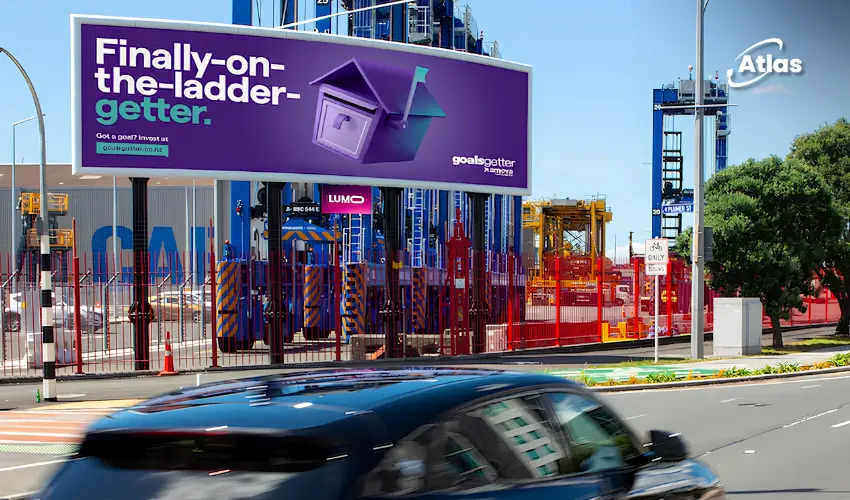
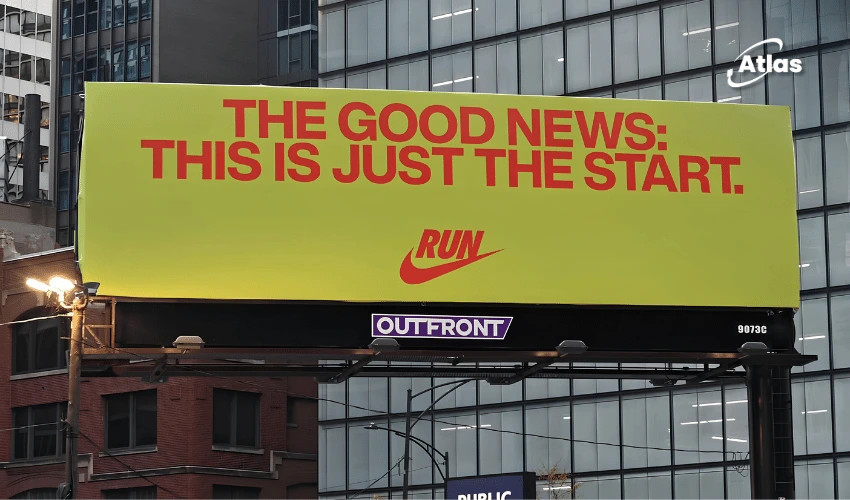
Use high-impact billboards, digital boards, and transit coverage to make a new brand feel established quickly. This works for new retail locations, healthcare clinics, restaurants, entertainment venues, universities, and service brands entering a metro.
2. The neighborhood frequency plan
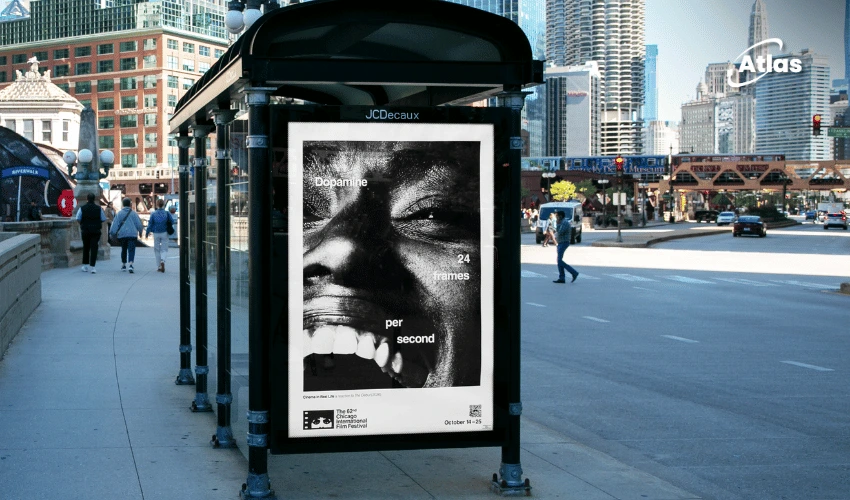
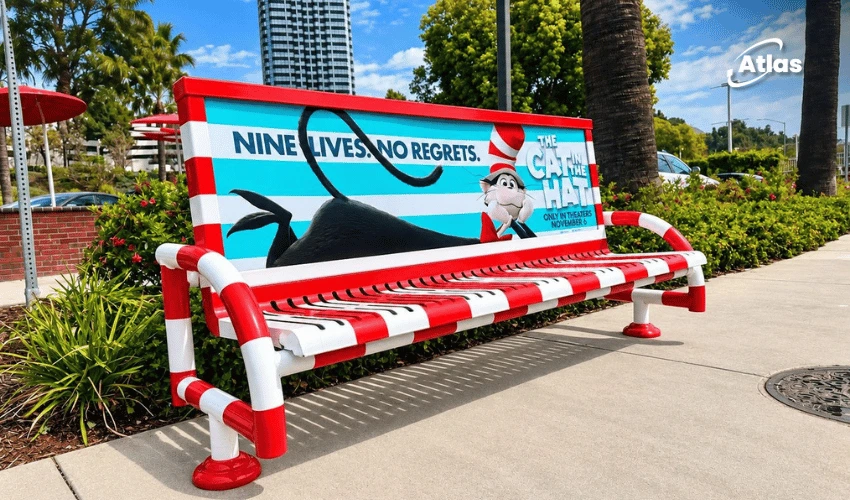
Use street furniture, transit shelters, bus interiors, local digital screens, and place-based media to create repetition in a defined trade area. This is useful when the brand needs familiarity more than spectacle.
3. The proximity-to-action plan
Use retail media, mall screens, gas station screens, pharmacy networks, gyms, campuses, and office buildings near the point of need. This is where DOOH can support store visits, app activity, bookings, or offer redemption.
4. The seasonal or political window
Use flexible DOOH inventory to respond to short windows: elections, tax season, enrollment, sports, tourism, festivals, grand openings, or limited-time promotions. The advantage is speed plus geographic precision.
How to avoid local media waste
Local campaigns waste budget when they confuse presence with pressure. A few scattered placements can look good on a map but fail to create memory. Instead, cluster inventory around audience routines.
- Cluster corridors: make the campaign feel unavoidable on repeated routes.
- Match daypart to behavior: breakfast, commute, lunch, school pickup, evening, nightlife, and weekend errands have different creative jobs.
- Localize the message: use neighborhood, city, or store-specific cues when they add relevance.
- Protect demand capture: run search coverage and market-specific landing pages while OOH is live.
Measurement for local DOOH
Local advertisers often need proof faster than national brands. A practical measurement stack can include:
- market-level branded search lift;
- direct and organic traffic by geography;
- store visit lift or appointment starts;
- call volume by market;
- promo code or landing page response where appropriate;
- pre/post comparison against similar control markets.
The important part is to decide the primary KPI before launch. If the objective is new patient appointments, do not judge the campaign only by impressions. If the objective is market awareness before a grand opening, do not pretend the first-week sales number tells the whole story.
Creative that works locally
Local DOOH creative should be simple, legible, and anchored in a useful memory cue. Strong local creative usually includes one of four things:
- a clear location cue: "Now open near..." or "Serving..."
- a category ownership cue: fastest, easiest, largest, closest, specialist, local favorite;
- a time-based cue: this weekend, lunch today, enrollment now, tax deadline;
- a direct action cue: search, call, book, visit, order, apply.
Bottom line
As local advertising becomes more digital, DOOH gives brands something many digital channels cannot: visible presence in the market itself. For 2026, the opportunity is to plan DOOH around real geographies, not generic impressions. Win the commute, win the store radius, win the event path, and then capture the demand online.
Plan your OOH campaign
Get recommendations for markets, formats and availability based on your campaign goals.
Request a media plan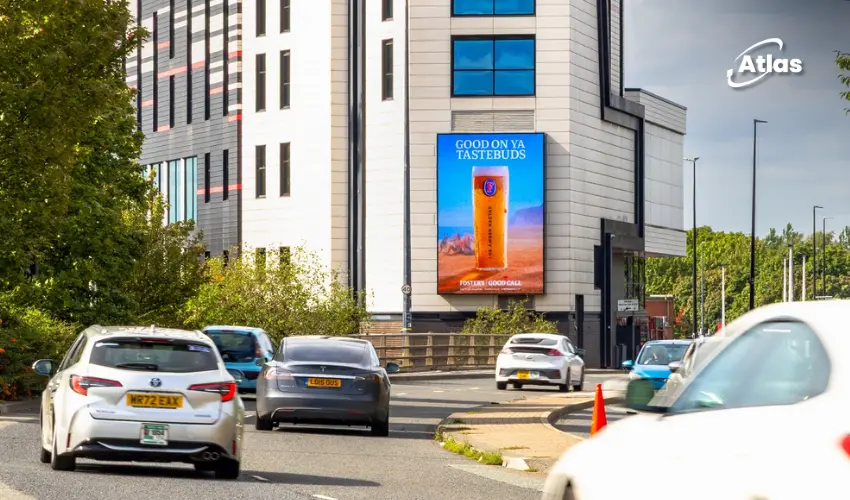
Comments
Share your take. Keep it constructive and specific.