
LEO Challenges Hair Loss Marketing With Brutal Honesty
For years, branding in the men’s hair loss category has followed a familiar formula: hyper-polished visuals, gym-perfect models, clinical jargon, and advertising that treats hair loss like a secret problem to quietly fix.
LEO, a subscription brand focused on medicated hair loss solutions, decided to move in the opposite direction.
Working with Manchester agency Creative Spark, the company introduced a new identity and marketing strategy designed to feel more human, culturally aware, and emotionally honest.
Rejecting the “perfect man” stereotype
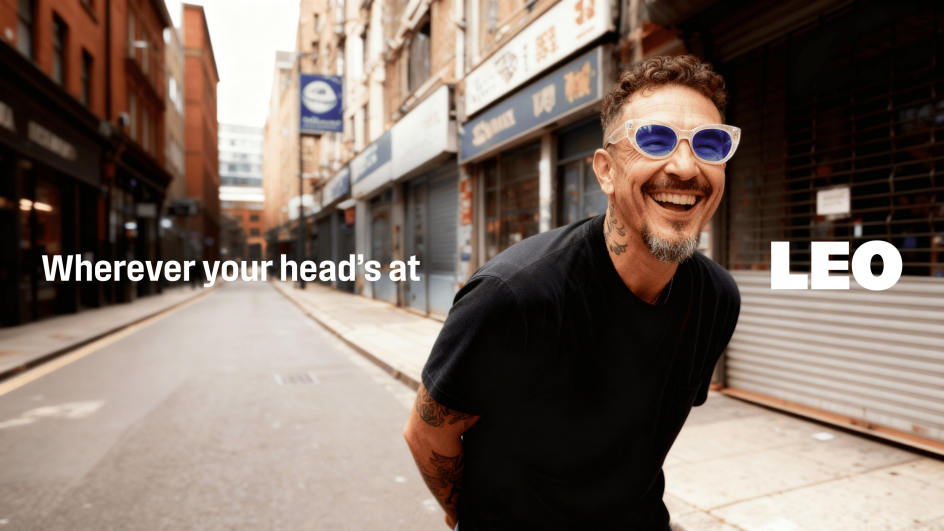
Instead of aspirational luxury aesthetics or overproduced before-and-after imagery, the LEO identity embraces imperfection and relatability.
The visuals feature real men with visible freckles, tattoos, uneven hairlines, and natural expressions — photographed with direct flash and playful energy rather than carefully polished glamour.
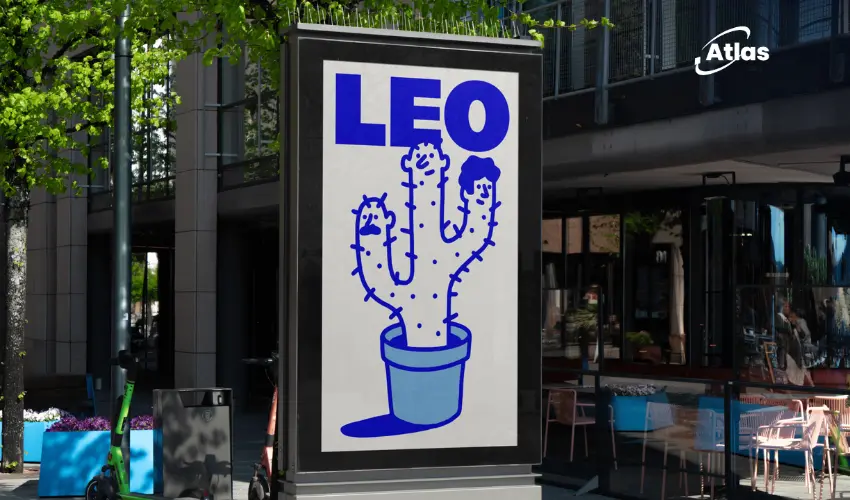
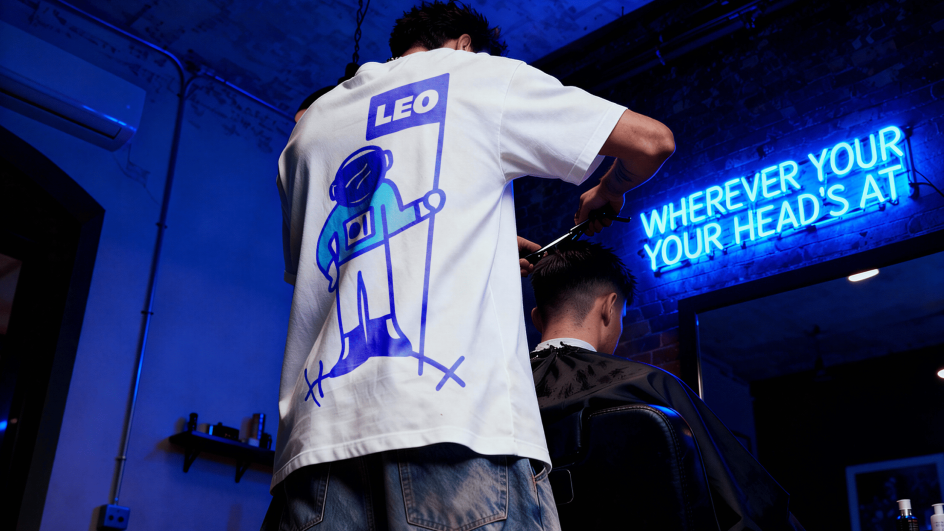
The design system itself remains intentionally stripped back. Confident blues, grounded neutral tones, bold typography, and candid photography help balance medical credibility with emotional accessibility.
The result feels closer to real life and conversation than traditional healthcare marketing.
“Where’s your head at?”
The campaign revolves around the line “Where’s your head at?” — a subtle nod to the iconic Basement Jaxx track while also opening the door to more honest conversations around confidence, identity, and hair loss.
Rather than selling transformation or perfection, the campaign focuses on helping men feel informed, understood, and comfortable discussing an emotional subject that is often hidden behind stigma.
This positioning helps separate LEO from competitors who still rely heavily on technical claims or exaggerated masculinity.
A strategy built around emotional truth
According to Creative Spark, the brand strategy was developed through interviews with barbers, trichologists, and men experiencing different stages of hair loss.
The research uncovered an important insight: many men were not searching for an entirely new version of themselves. They simply wanted help maintaining confidence in who they already were.
That emotional understanding became central to the entire identity system, influencing the visuals, language, photography, and tone of voice.
Why honesty works in modern branding
LEO reflects a broader shift happening across wellness and personal care branding. Consumers increasingly distrust overly polished advertising and instead respond more positively to realism, vulnerability, and transparency.
The campaign also mirrors cultural movements seen in earlier landmark campaigns like Dove’s “Real Beauty,” which challenged unrealistic beauty standards by celebrating authenticity and individuality.
In the same way, LEO reframes hair loss not as something shameful, but as a common human experience deserving honesty and empathy.
Breaking the category tone
One of the campaign’s strongest elements is its language.
Instead of corporate healthcare terminology or forced motivational messaging, the brand speaks with the tone of a real conversation — closer to what someone might hear at the pub than inside a medical brochure.
This grounded communication style makes the brand feel less intimidating and more emotionally approachable.
What marketers can learn from this campaign
- Authenticity creates stronger emotional connection: Realistic imagery often resonates more than perfection.
- Category disruption starts with tone: Language can redefine how audiences emotionally experience a brand.
- Vulnerability can strengthen branding: Honest communication builds trust and relatability.
- Cultural understanding matters: Strong campaigns reflect real audience emotions rather than marketing assumptions.
Bottom line
LEO’s branding demonstrates how honesty and emotional intelligence can become powerful competitive advantages in traditionally formulaic industries.
By rejecting glossy stereotypes and focusing instead on relatable storytelling, Creative Spark helped create a brand identity that feels more human, more culturally relevant, and ultimately more believable.
In a category often built around insecurity, LEO succeeds by making audiences feel seen rather than sold to.
Comments
Share your take. Keep it constructive and specific.