
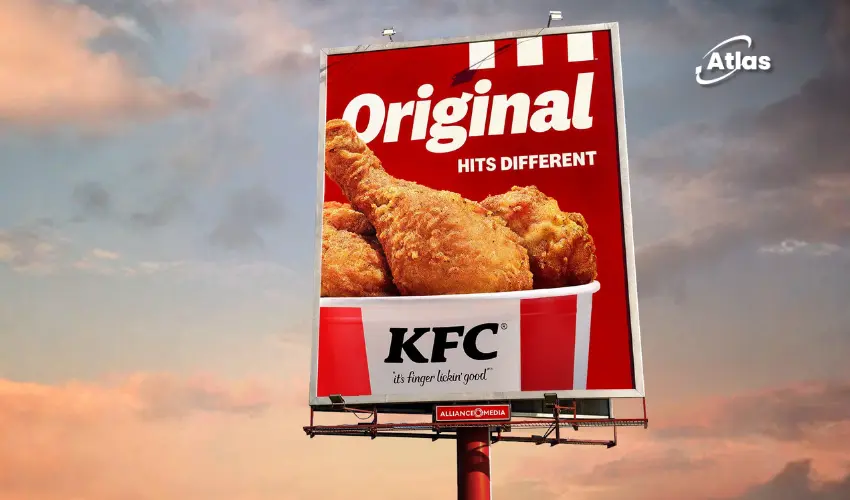
KFC Zimbabwe Reminds Copycats That There Is Only One Original
Zimbabwe’s quick-service restaurant market has become increasingly crowded with brands using similar products, messaging and visual identities.
KFC could have responded with louder advertising, aggressive comparisons or another promotional offer.
Instead, the brand chose a more confident approach.
The campaign returns attention to the asset that competitors can imitate but never truly own: KFC’s Original Recipe.
By focusing on authenticity rather than direct comparison, the work reminds consumers that copies may appear similar, but there is still only one original.
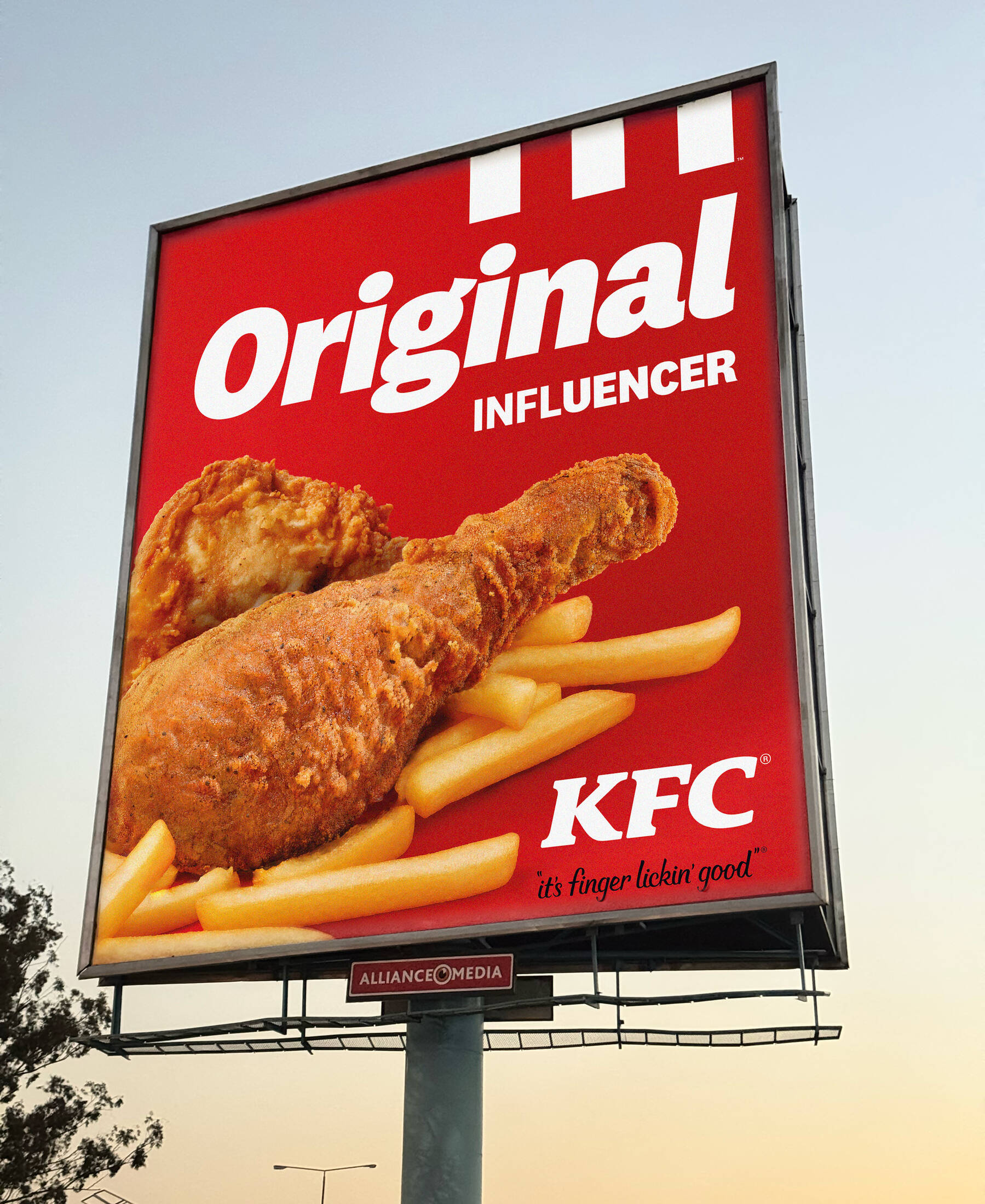
Before the copies, there was the Original Recipe
The campaign is built around a simple brand truth.
Before the imitations entered the market, KFC had already established its Original Recipe and the recognizable product experience associated with it.
Rather than claiming superiority through price, size or individual ingredients, the brand reinforces its heritage.
This shifts the conversation away from which restaurant can create the closest alternative and toward which company owns the original idea.
Saying less to mean more
Outdoor advertising often competes for attention through brighter colors, longer headlines and increasingly complicated messages.
KFC’s execution moves in the opposite direction.
The campaign uses restraint to create impact. Instead of explaining every product benefit or responding directly to competitors, it presents one clear idea with confidence.
Within a visually crowded environment, simplicity becomes the element that attracts attention.
The result is an outdoor execution that feels assured rather than defensive.
Why minimal OOH can feel more confident
Brands often add information because they are concerned audiences may not understand the message.
Established brands have a different advantage. Recognition allows them to communicate through fewer elements.
KFC can rely on its familiar identity, product history and cultural presence to complete the message.
- Minimal copy improves readability: The idea can be understood quickly from a moving vehicle or at a distance.
- Restraint suggests confidence: The brand does not appear threatened by the arrival of competitors.
- Familiar assets support recognition: Consumers already understand what KFC and the Original Recipe represent.
- A single idea improves recall: Audiences are more likely to remember one clear claim than several product messages.
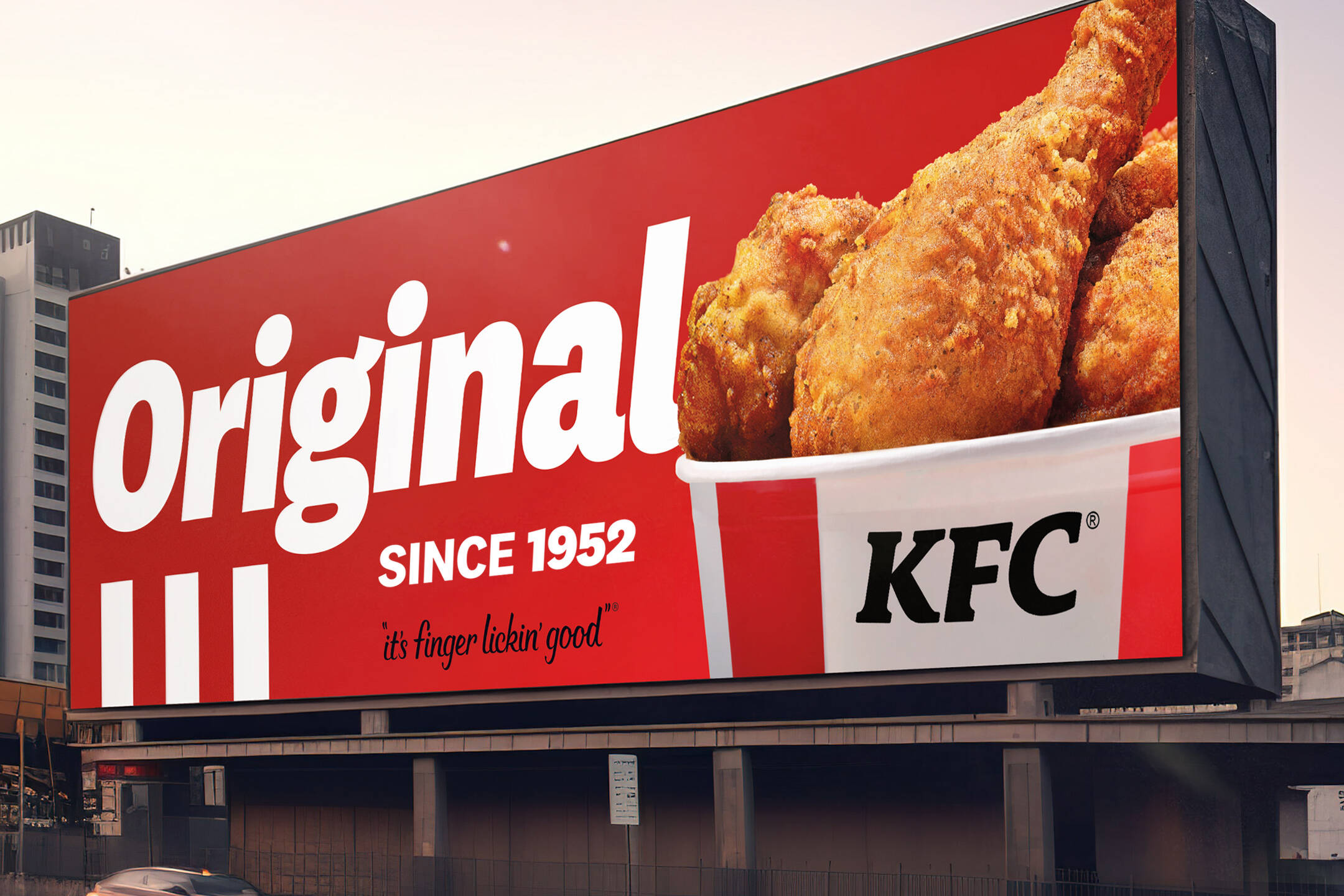
Originality as a competitive asset
Many brands attempt to differentiate themselves by changing their appearance or introducing a new promotional message.
KFC demonstrates that true distinction can also come from owning something competitors cannot legitimately claim.
The Original Recipe is more than a product feature.
It represents intellectual property, brand heritage and decades of accumulated consumer recognition.
Competitors may recreate a similar menu item, use comparable colors or adopt familiar restaurant language, but they cannot reproduce the history behind the original product.
Using heritage without feeling outdated
Heritage campaigns can sometimes feel nostalgic or disconnected from current market conditions.
This campaign avoids that problem by using KFC’s history to address a modern competitive challenge.
The Original Recipe is not presented as something valuable only because it is old. It is presented as evidence of authenticity within a market increasingly filled with imitation.
This gives the brand’s past a clear role in the present.
Heritage becomes a practical competitive advantage rather than a decorative story about company history.
Why the campaign works
Consumers in Zimbabwe are already familiar with KFC.
The campaign therefore does not need to introduce the brand, explain the menu or establish basic awareness.
Instead, it refreshes memory around the element that made KFC distinctive in the first place.
This helps reinforce mental availability while reminding audiences that originality still carries value in a category where many brands may appear interchangeable.
The idea also fits the strengths of out-of-home advertising. It is direct, easy to process and recognizable within seconds.
Competing without naming competitors
One of the campaign’s strongest strategic choices is its refusal to give imitation brands additional attention.
Direct comparison could have made the campaign feel reactive. It might also have encouraged consumers to consider whether competing products are genuinely similar.
By focusing exclusively on KFC’s ownership of the original, the work maintains control of the conversation.
The brand acknowledges the competitive situation without allowing competitors to become the subject of the advertisement.
From product recipe to brand equity
The Original Recipe has become much larger than the specific combination of herbs and spices used in the product.
It functions as a symbol of consistency and authenticity across KFC’s global presence.
For consumers, the phrase carries associations with taste, familiarity and the experience they expect from the restaurant.
This accumulated meaning is difficult for competitors to recreate because it has been built through repeated experiences over many years.
The campaign converts that existing brand equity into a concise modern message.
Bottom line
KFC Zimbabwe’s campaign proves that the strongest brands do not always need the loudest advertising.
By returning attention to the Original Recipe, KFC transforms its heritage into a relevant competitive advantage.
The restrained OOH execution communicates confidence, reinforces recognition and avoids becoming distracted by the brands attempting to imitate it.
In a marketplace filled with copies, the campaign makes the simplest and strongest possible statement: there is only one original.
Plan your OOH campaign
Get recommendations for markets, formats and availability based on your campaign goals.
Request a media plan

Comments
Share your take. Keep it constructive and specific.