
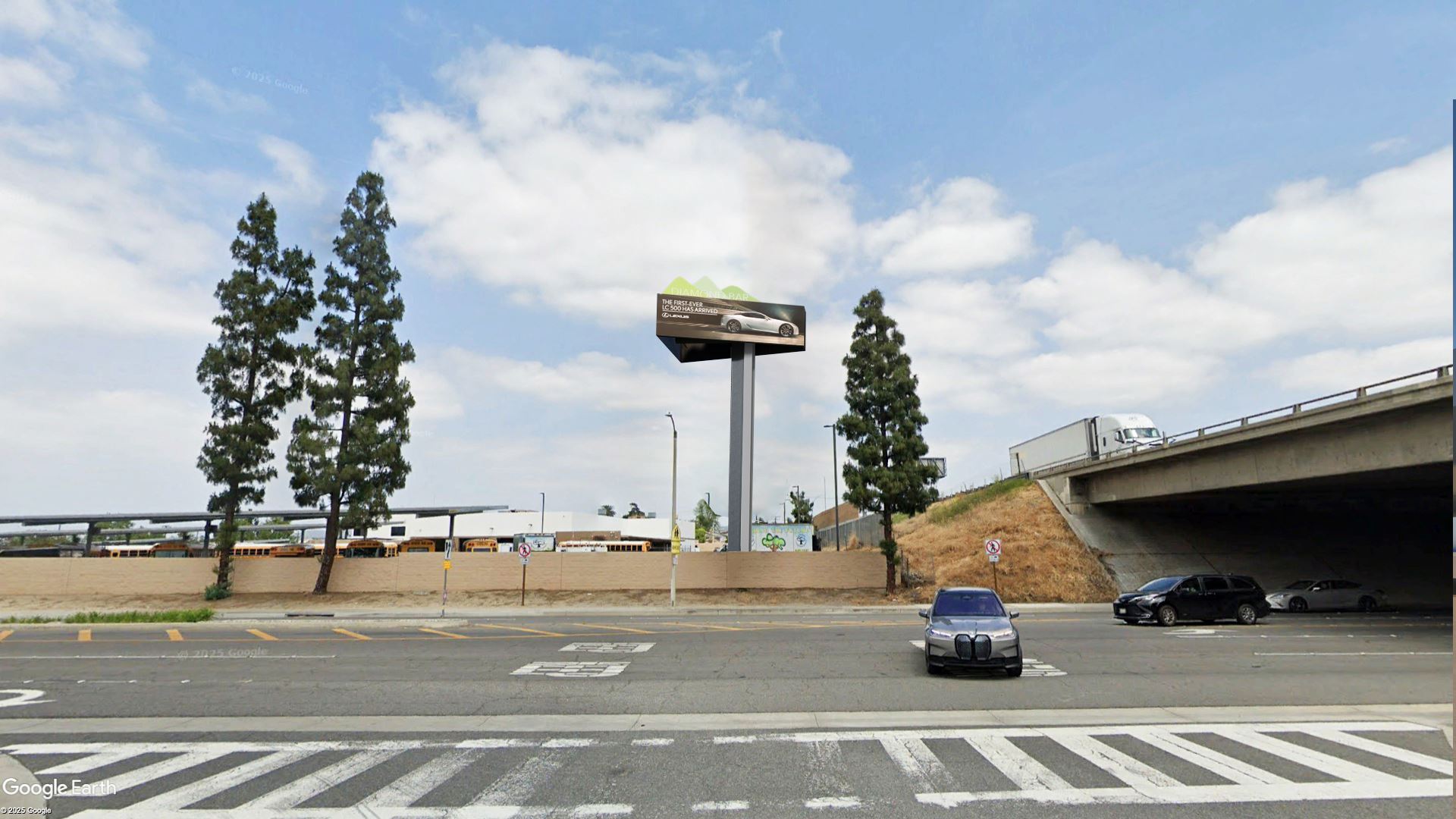
Quick answer: Diamond Bar’s City Council approved a first reading of an ordinance creating a regulatory framework for billboards in Light Industry (I) zones, including standards such as brightness/dimming controls and minimum image hold time (as referenced in city materials). (Sources: City of Diamond Bar documents)
Policy is the real DOOH growth lever
Most DOOH expansion doesn’t happen because someone “wants more screens.” It happens because a city defines the rules. Diamond Bar is a good example of that approach: codify standards, then manage the category with predictable enforcement.
What’s being implemented
The city’s materials outline how billboards are addressed within Light Industry zoning, with a framework established through an ordinance and related environmental/notice documentation. The headline here isn’t volume—it’s structure: a written rulebook that makes the approval and operating process more legible.
Why standards matter
Requirements like brightness/dimming and minimum hold times do two important jobs at once: they reduce public irritation (glare, distraction, overly rapid changes) and they create predictable technical compliance for operators.
For planners and buyers, that predictability is valuable. It usually means fewer surprises, fewer interruptions, and more stable placements—conditions that support long-life, premium inventory.
Planning takeaway
If you want to understand where DOOH can scale next, watch policy documents—not just screen maps. The markets that grow sustainably are the ones where cities write enforceable standards that balance visibility with livability.
Plan your OOH campaign
Get recommendations for markets, formats and availability based on your campaign goals.
Request a media plan
Comments
Share your take. Keep it constructive and specific.