

Connected Commerce Needs OOH: A 2026 Proximity Playbook for Retail and Service Brands
Commerce is no longer a clean split between online and offline. People discover in one place, compare in another, search on a phone, visit a store, and purchase through whichever path feels easiest. That is why OOH is becoming more important to connected commerce: it can shape demand before the click, near the store, in the aisle, on the commute, and around the event.
OAAA and Winterberry Group's 2026 connected commerce research frames OOH as a proximity medium that can support purchase-driven initiatives across the customer journey. This is a useful shift. It moves the conversation away from "OOH equals awareness" and toward "OOH creates measurable moments of influence."
The new role of proximity
Proximity used to mean distance from a store. In 2026, proximity has at least four layers:
- Physical proximity: near a store, restaurant, venue, clinic, campus, or dealership.
- Behavioral proximity: reaching people when they are already commuting, shopping, traveling, or comparing options.
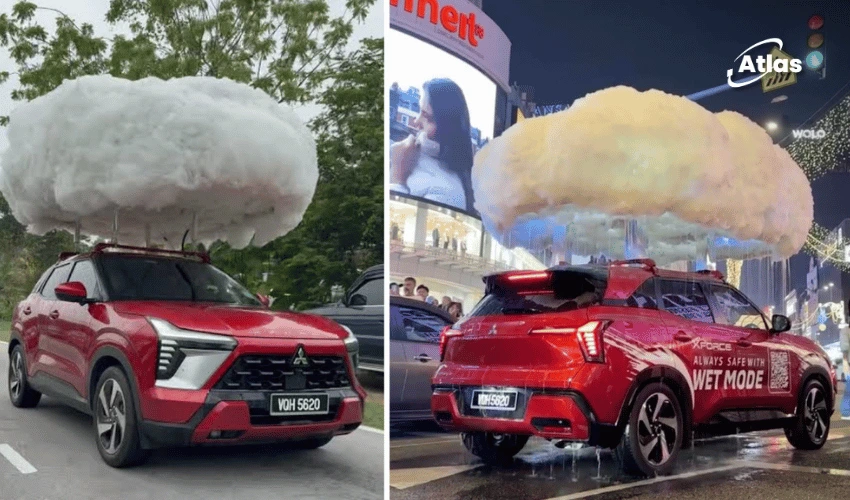
- Contextual proximity: aligning the message with weather, daypart, event, location, or local need.
- Digital proximity: making it easy for OOH exposure to become search, site traffic, app activity, or retargetable intent.
The best connected commerce plans combine all four. A restaurant chain, for example, should not only buy boards near locations. It should use commute routes for memory, retail or transit for repetition, dayparted DOOH for meal timing, and search or maps coverage for capture.
How to map OOH to the purchase journey
A connected commerce OOH plan should assign formats by journey stage.
1. Discovery
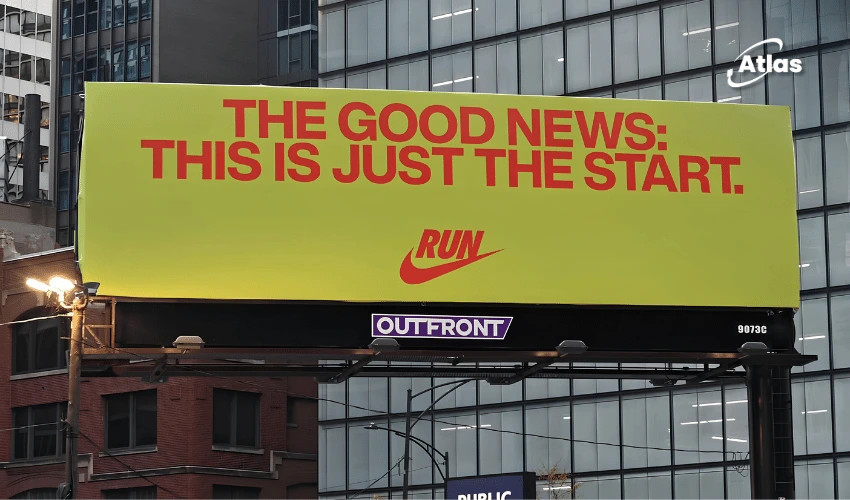
Use high-impact billboards, wallscapes, transit domination, airport media, and premium DOOH to create public legitimacy. This is where the brand becomes familiar before people actively compare options.
2. Consideration
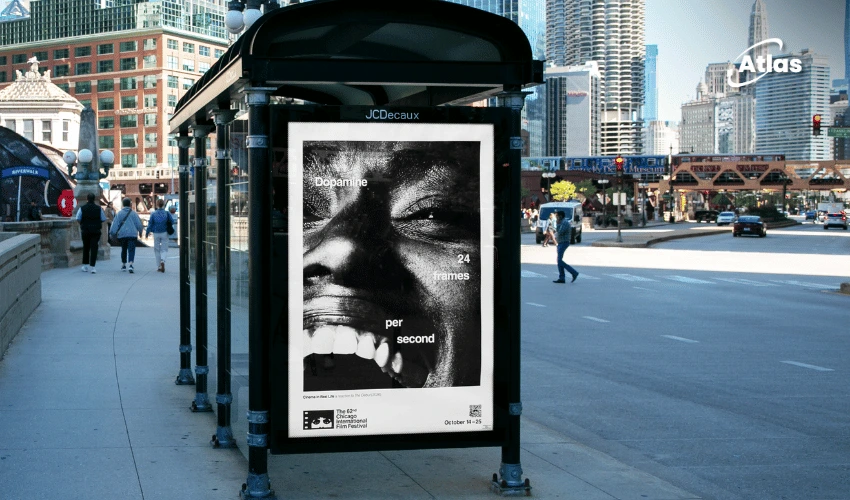
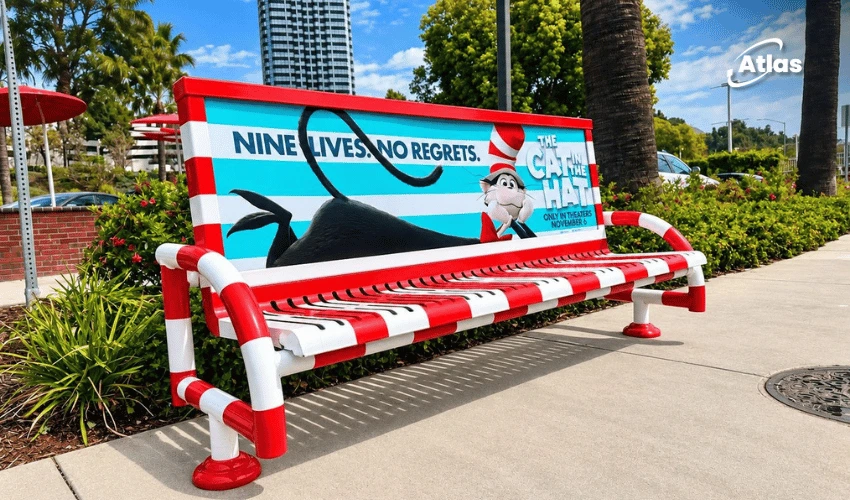
Use neighborhood media, transit shelters, street furniture, retail corridors, and place-based screens to repeat the message near real routines. This layer is where the brand earns mental availability.
3. Conversion support
Use in-store screens, mall media, gas station screens, pharmacy networks, airport retail, and proximity DOOH to support action near the moment of choice. This layer should have the clearest CTA and the least copy.
4. Retention and reinforcement
Use always-on local placements around priority neighborhoods and loyalty zones. For service brands, this can mean clinics, campuses, apartment corridors, office districts, and commuter routes.
The creative rule: make the next action obvious
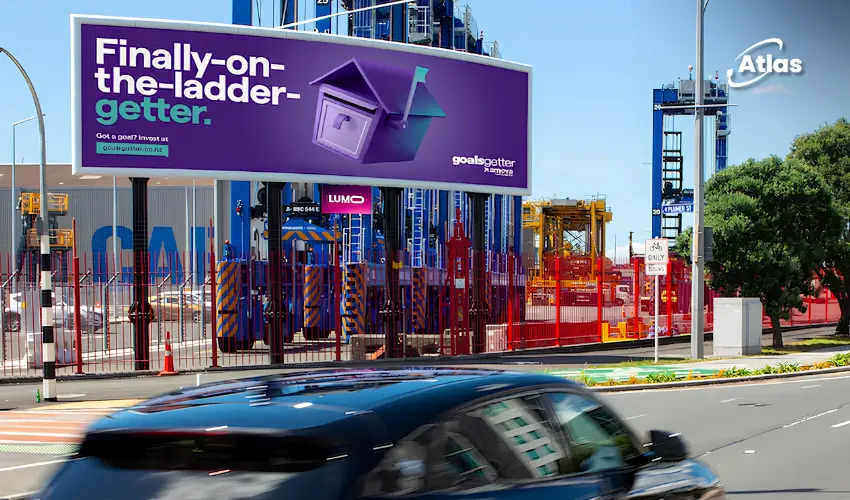
Connected commerce fails when OOH carries a vague brand line but gives no next step. Not every placement needs a QR code or promotion, but every placement should imply a next action: search the brand, visit a store, order now, compare plans, book an appointment, download the app, or remember a launch date.
Measurement that fits the job
Do not use one measurement model for every connected commerce OOH plan. Match the KPI to the role of the placement:
- Discovery placements: reach, frequency, brand/search lift, aided awareness, direct traffic.
- Consideration placements: branded search lift, site visits by market, map searches, landing page engagement.
- Conversion placements: store visits, offer redemptions, app activity, sales lift where data access allows.
- Retail media placements: aisle/category sales, basket behavior, exposed versus control store analysis.
The practical point is simple: the closer the placement is to purchase, the more outcome-oriented the measurement can become. The farther it is from purchase, the more it should be judged by demand creation and intent signals.
A field-ready connected commerce brief
Use this structure when asking partners for recommendations:
- Business objective: what needs to change: visits, sales, sign-ups, bookings, trials, or brand consideration.
- Priority audience moments: commute, shop, travel, lunch, evening, event, campus, healthcare, or nightlife.
- Proximity radius: which locations matter and how far influence should extend.
- Inventory roles: discovery, repetition, conversion support, and reinforcement.
- Creative variants: by format, moment, location, and CTA.
- Measurement plan: one primary KPI plus supporting signals.
Bottom line
Connected commerce gives OOH a sharper job. The channel is not only about being seen; it is about being seen at the right point in a real-world decision path. In 2026, the best retail and service brands will use OOH to connect public attention, local context, and measurable commercial action.
Plan your OOH campaign
Get recommendations for markets, formats and availability based on your campaign goals.
Request a media plan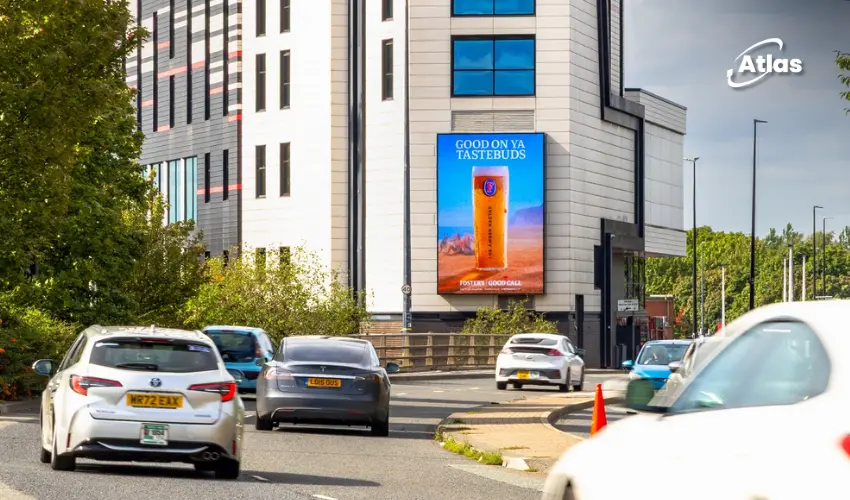
Comments
Share your take. Keep it constructive and specific.