
Burger King Turns the Tanmaxxing Trend Into a Flame-Grilled Summer Campaign
Summer trends can create useful cultural opportunities for brands, but only when the connection feels natural.
Burger King found that connection in Tanmaxxing, a growing youth-culture conversation centered on pursuing an intense tan.
Created by Happiness Brussels, the campaign responds with a simple line:
“Leave the flame grilling to us.”
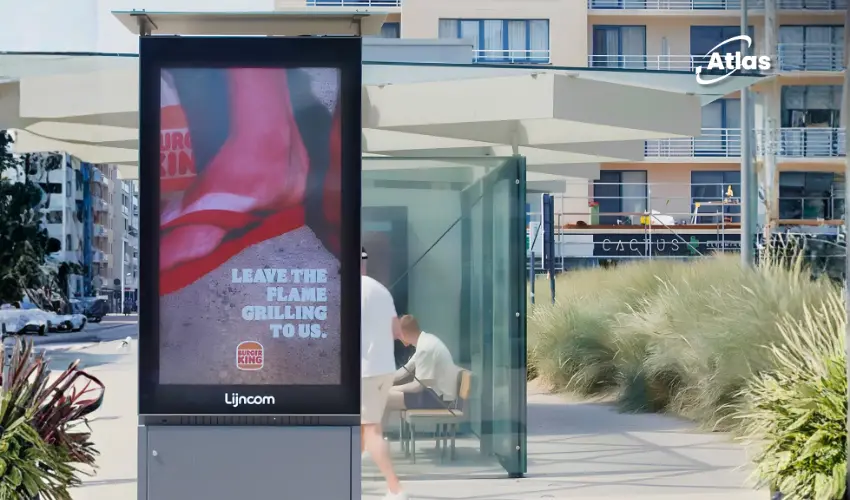
The idea links the visual appearance of overly tanned and sunburnt skin with Burger King’s signature flame-grilled food, turning a timely cultural reference into a recognizable product message.
A trend Burger King can naturally own
Many brands attempt to participate in youth trends simply because they are popular.
The strongest cultural campaigns, however, begin with a genuine connection between the conversation and an existing brand asset.
For Burger King, flame grilling is not an invented campaign claim. It is one of the brand’s most established product distinctions.
That gives the company permission to comment on the idea of people getting “grilled” by the summer sun.
Using sunburn as the visual punchline
The campaign visuals feature skin that appears excessively tanned, red or visibly sunburnt.
The imagery is deliberately uncomfortable enough to attract attention, but exaggerated in a way that makes the joke easy to understand.
Audiences first recognize the signs of too much sun. The headline then reframes that image through Burger King’s flame-grilled language.
This creates a compact visual sequence:
- Notice the extreme tan or sunburn.
- Connect the image with heat and grilling.
- Read Burger King’s invitation to leave grilling to the experts.
The entire idea can be processed quickly, making it especially suitable for outdoor advertising.
Why the campaign works in DOOH
Digital out-of-home rewards bold imagery, minimal copy and ideas that communicate within seconds.
The contrast between human skin and Burger King’s food language creates an immediate moment of surprise.
- Close-up visuals attract attention: The imagery can remain legible on both large and compact screens.
- The headline is concise: Audiences do not need a detailed explanation of the trend.
- The summer context adds relevance: The campaign appears when tanning and sun exposure are already part of public conversation.
- The product association is recognizable: Flame grilling brings the message back to Burger King.
The campaign avoids becoming a generic summer joke because the final idea remains closely tied to how Burger King prepares its food.

Taking the message to the Belgian coast
The campaign also appeared across the Belgian coast tram, placing the idea within one of the most contextually relevant summer environments.
Coastal audiences are likely to be travelling between beaches, resorts and leisure destinations where tanning and sun exposure are directly visible.
This gives the campaign an additional layer of relevance. The audience does not only understand the cultural trend in theory; they may see examples of it around them during the same journey.
Transit media also provides repeated exposure as passengers encounter the campaign across stops, vehicles and coastal routes.
Wildposting adds a street-culture feel
Wildposting supports the campaign’s youth-oriented and culture-led tone.
The repeated poster format feels immediate, informal and embedded within the street rather than presented as a polished corporate statement.
That visual language is well suited to a campaign based on an emerging social behavior.
It also allows multiple executions to appear together, creating repetition and giving the exaggerated imagery greater visual impact.
Social and OOH reinforcing each other
The Tanmaxxing conversation largely exists through social platforms, where users share tanning routines, appearance trends and summer content.
Burger King brings that online discussion into public media through DOOH, transit and wildposting.
The campaign can then return to social media through photographs, reactions and debate around the creative.
This creates a useful cycle:
- The trend begins online.
- The brand turns it into physical OOH.
- The outdoor work becomes shareable social content.
- The conversation expands beyond the original trend community.
The campaign therefore uses OOH not only for reach, but as a way to give an online cultural reference a larger public presence.
Humor with an underlying warning
The campaign is primarily playful, but the visual treatment also reflects the uncomfortable consequences of excessive sun exposure.
Burger King does not present the intense tan as aspirational. The red and overexposed skin makes the behavior appear extreme.
The headline then redirects the idea of grilling toward the brand’s food preparation, where it properly belongs.
This allows the work to participate in the trend without directly celebrating the most harmful version of it.
Why the Burger King voice matters
Burger King has a long history of using direct, self-aware and occasionally provocative humor.
“Leave the flame grilling to us” fits naturally within that established personality.
The line is confident without requiring a product demonstration, and it treats the audience as capable of understanding the visual joke immediately.
A more cautious or formal brand voice might have made the execution feel forced. Burger King’s existing tone gives the campaign permission to be cheeky.

A product message hidden inside a cultural joke
Although the campaign is built around Tanmaxxing, it still performs a straightforward branding role.
It reminds audiences that Burger King’s food is flame grilled.
This is an important distinction. The trend provides the hook, but the product benefit provides the reason for the campaign to exist.
Without that connection, the work could generate attention while contributing little to long-term brand memory.
Bottom line
Burger King’s Tanmaxxing campaign turns a timely youth-culture trend into a concise reminder of its flame-grilled positioning.
Through exaggerated tanning visuals and the line “Leave the flame grilling to us,” Happiness Brussels creates a campaign that feels playful, culturally aware and unmistakably connected to the brand.
Its presence across social media, DOOH, wildposting and the Belgian coast tram gives the idea both broad visibility and strong contextual relevance.
The work demonstrates that brands can join current conversations effectively when they do not simply borrow the trend, but connect it with something only they can authentically say.
Plan your OOH campaign
Get recommendations for markets, formats and availability based on your campaign goals.
Request a media plan
Comments
Share your take. Keep it constructive and specific.