
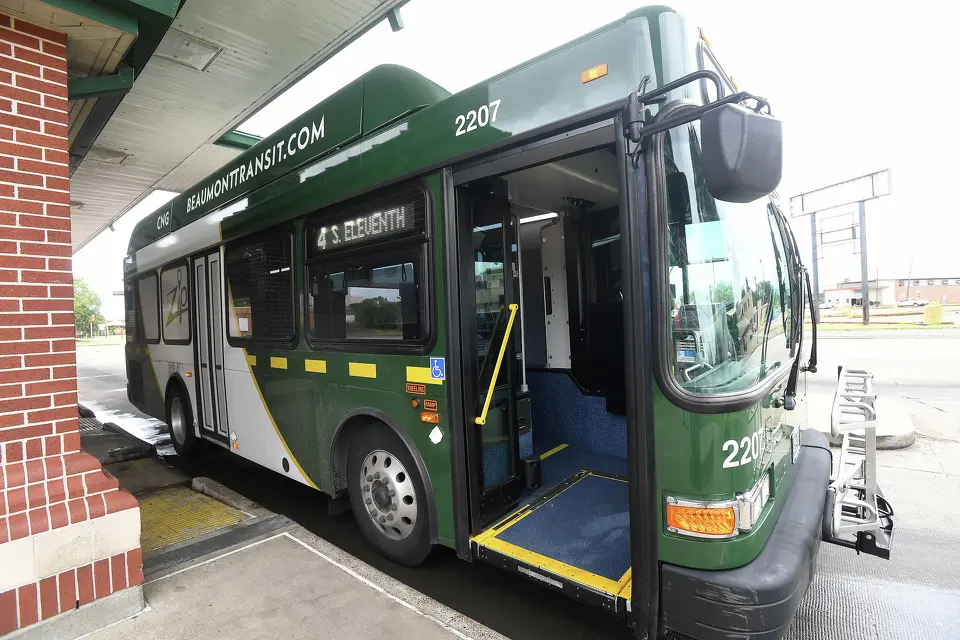
Quick answer: Beaumont’s City Council approved a new transit advertising initiative allowing ads on buses and vans, with revenue directed to bus stop upgrades like shelters, lighting, and benches. (Sources: Beaumont Enterprise, City of Beaumont resolution)
Transit OOH as a civic funding tool
This is a clean example of transit OOH being positioned as more than “media.” Beaumont is tying monetization directly to rider experience—selling ad inventory and reinvesting the proceeds into visible, practical upgrades that people feel at the curb: safer waits, better lighting, and more comfort.
What changed
Beaumont unanimously approved advertising packages for its transit system (Zip), enabling interior and exterior placements on buses and vans. The key detail is the destination of those dollars: bus stop improvements rather than a vague general fund story.
Why this model keeps spreading
Cities increasingly justify OOH by linking it to outcomes the public supports:
- Safety upgrades (lighting, visibility, clearer waiting areas)
- Comfort infrastructure (shelters, benches, better stop environments)
- Operational sustainability (a repeatable revenue stream that supports transit service)
There’s also a planning upside: when municipal policies restrict certain content categories, the inventory can become more brand-safe by design—a governance layer that many advertisers actually prefer.
Planning takeaway
Transit OOH delivers frequency where routines repeat. When the city frames the program as “ads that fund improvements,” it adds an extra layer of legitimacy—helpful for brands that want reach while also aligning with practical community benefits.
Plan your OOH campaign
Get recommendations for markets, formats and availability based on your campaign goals.
Request a media plan



Comments
Share your take. Keep it constructive and specific.