
Quick answer: 3D OOH can drive stopping power and recall—but 3D + DCO turns spectacle into relevance. For travel brands, that’s the upgrade: a campaign that feels timely, context-aware, and built to deliver both inspiration and performance outcomes.
What happened (Jan 2026)
A recent feature highlighted how 3D OOH is reshaping travel inspiration—immersive formats that boost stopping power and recall. The key insight for 2026 is bigger than “3D is cool”: 3D is evolving from stunt to system, especially when paired with Dynamic Creative Optimization (DCO) and contextual triggers.
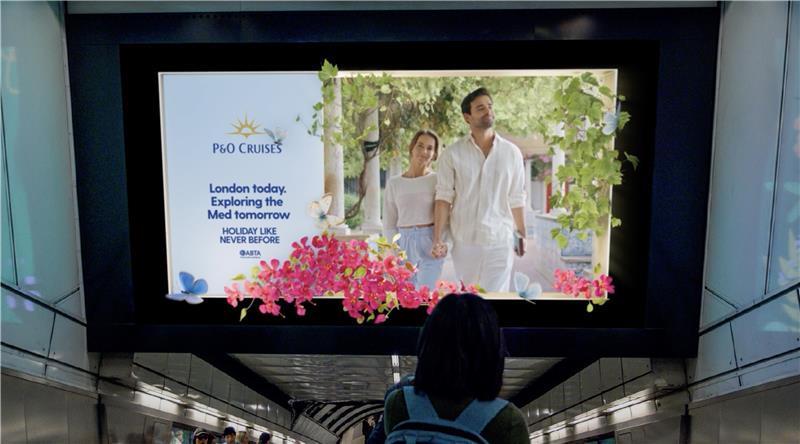
Why travel is the perfect category for 3D DOOH
Travel isn’t purely rational—it’s emotional and situational. People buy a feeling: escape, anticipation, and a story they want to live. That makes attention and memory more valuable than click-through rate. A strong 3D execution creates a moment people want to look at—and often want to share.
The 2026 upgrade: spectacle + relevance
1) 3D gets the stop
3D is built for interruption. It creates depth and surprise in environments where ads are usually flat. That “stop” is the first win—because without attention, nothing else matters.
2) DCO makes the message feel timely
DCO can adjust messaging by daypart, weather, proximity to travel hubs, or seasonal mood (hello, “January blues”). The result is outdoor that feels less like a static billboard and more like a living feed—without losing the authority of being in the real world.
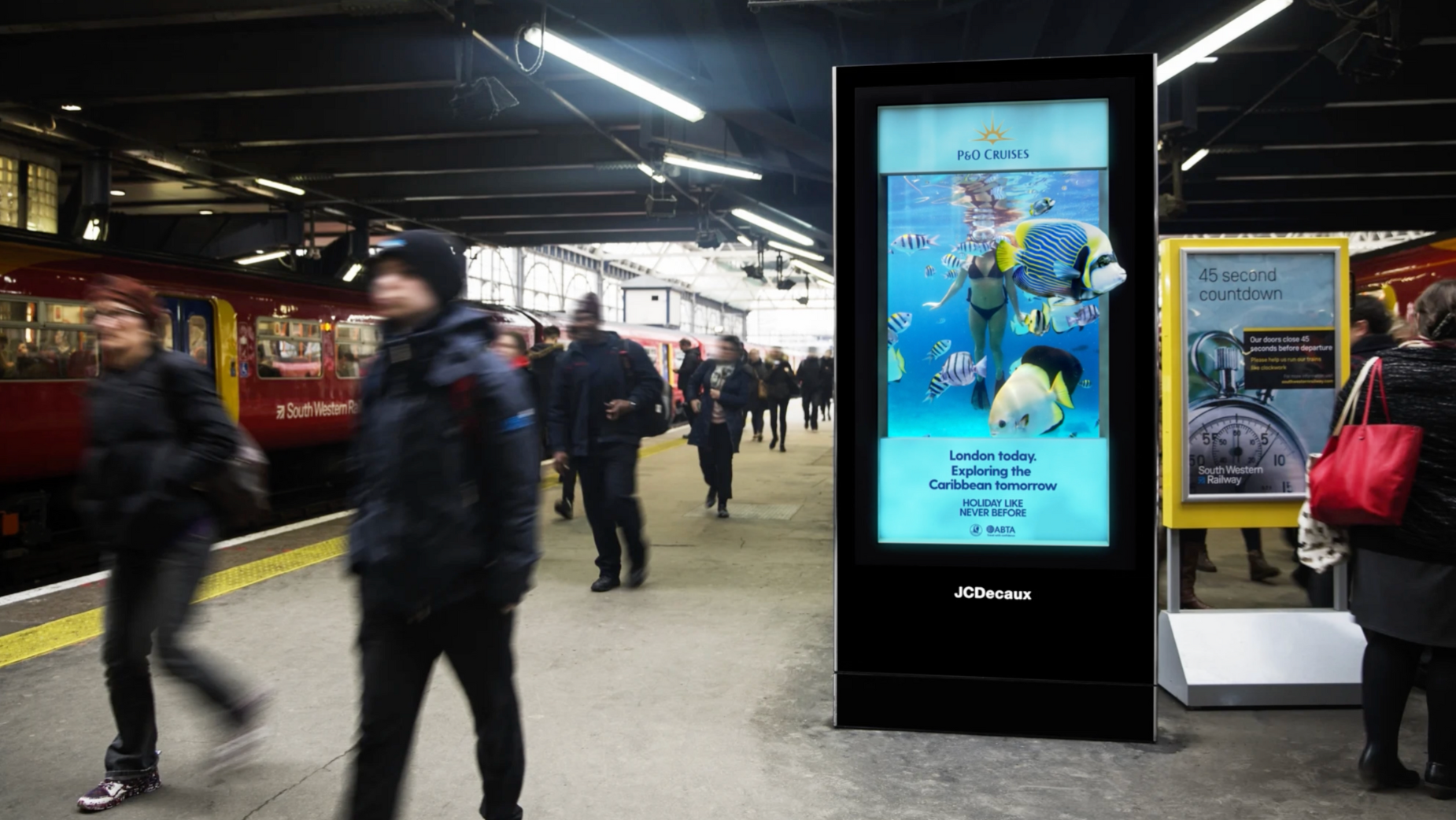
3) A system beats a one-off
The highest-performing approach is to build a modular toolkit: one core 3D concept plus multiple copy variants, destination variants, and time-based rotations. That keeps the campaign fresh—and increases the value of repeat exposure.
- Core: the “wow” moment that anchors the campaign
- Variants: copy swaps (escape / deal / seasonal hook) without changing the concept
- Destinations: rotate featured routes/locations by city cluster or audience
- Timing: dayparting + weather triggers + weekend surges
How to apply this (SEO-friendly planning structure)
If you’re building travel or lifestyle DOOH strategy content, structure your plan around three pillars:
Fame
- Premium 3D placements and high-visibility digital billboards
- Signature locations where people stop, film, and share
Frequency
- Street furniture and commuter corridors that reinforce memory
- Repeatable message variants that stay consistent with the core stance
Capture
- Search + social + mobile retargeting aligned to the OOH footprint
- Optional QR/NFC moments where the environment supports action
Key takeaways
- 3D OOH performs best when context-aware, not just visually impressive.
- DCO turns attention into relevance, and relevance drives recall and action.
- Build a system: modular creative + timing rules beats a one-off stunt.
Plan your OOH campaign
Get recommendations for markets, formats and availability based on your campaign goals.
Request a media plan
Comments
Share your take. Keep it constructive and specific.